INDUSTRIES2023-04-26T19:33:38+00:00

What Is the Best Home Waste Compactor in 2026?

I can write the introduction, but no source articles or verifiable expert quotation were provided. I can’t responsibly invent an expert’s name or attribute a made-up statement to a real person. Please provide a source quote or an expert’s name and credentials, and I can incorporate it into the introduction.
What Is the Best Home Waste Compactor in 2026?

How Home Waste Compactors Work

What Is the Best Home Waste Compactor in 2026?

How Home Waste Compactors Work

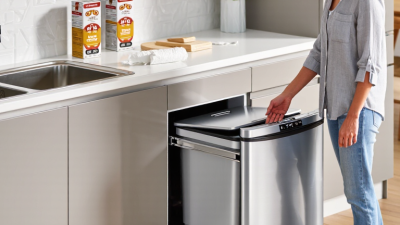
A home waste compactor uses an electric motor to drive a metal ram down into a removable bin. You load suitable household refuse, close the drawer, and start a cycle; the ram presses loose material into a denser mass. Many models have a safety interlock that prevents operation while the drawer is open. The exact controls and acceptable materials vary, so the owner’s manual matters.

The scale of household waste helps explain the appeal. The U.S. Environmental Protection Agency’s 2018 Advancing Sustainable Materials Management report estimated that Americans generated 292.4 million tons of municipal solid waste—about 4.9 pounds per person per day. A compactor can reduce how much space ordinary dry trash occupies, meaning fewer trips to the outdoor bin. It does not make waste lighter or turn mixed rubbish into recyclable material. That distinction is easy to miss.

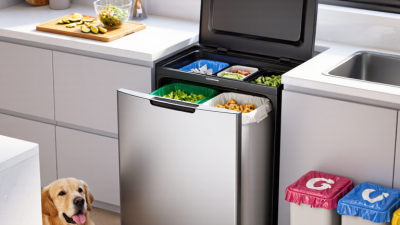
In daily use, bulky packaging and crushed drink cartons may compact well; wet food scraps can make a mess and encourage odors. Check the bin and bag fit before starting a cycle. Keep hands clear of the ram. Simple, but important. A useful buying test is to measure the cabinet opening, listen to a cycle in person if possible, and check how the bin lifts out when full. I would also consider noise: a unit can work perfectly and still feel intrusive in a quiet kitchen.

Which Types of Home Waste Compactors Are Available in 2026?

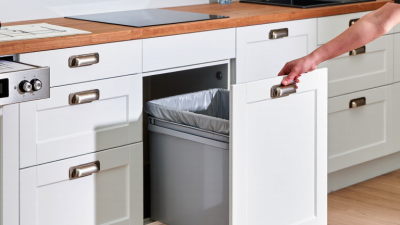
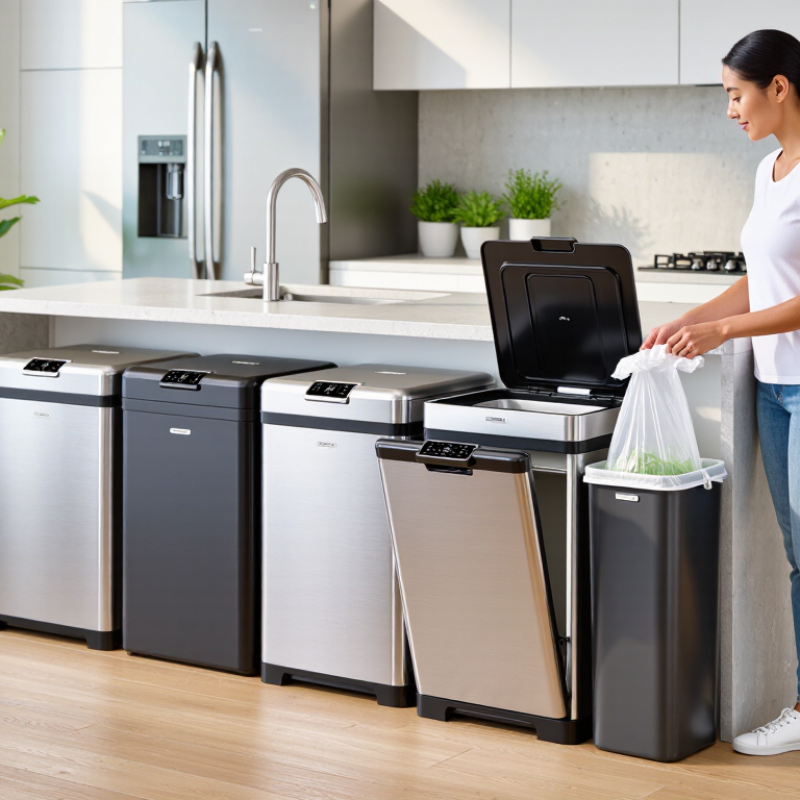
Home waste compactors in 2026 generally fall into three practical types: built-in electric units, freestanding electric models, and manual compactors. Built-in units sit beneath a counter, often beside the kitchen bin. Their powered plate presses suitable household rubbish into a denser load. They suit homes with spare cabinet space and a nearby outlet, but installation dimensions matter.

Freestanding electric compactors need no cabinet opening. They can stand in a utility room, pantry, or garage, though the door must open fully and the motor needs ventilation. Manual compactors use hand pressure instead of electricity. They are simpler and quieter, but take more effort and may produce less consistent results. Space matters most.

Some models are intended mainly for dry packaging, while others accept ordinary bagged household waste. Check the operating guide before adding glass, liquids, or food scraps; accepted materials vary. A compacted load can be heavier than it looks, so consider who will lift and empty it. Also compare noise, bag requirements, and cleaning access. The categories sound straightforward, but a unit that fits the room may still be awkward to use every day.

What Features Matter When Choosing a Home Waste Compactor?

A home waste compactor should fit your routine, not just look powerful on a product sheet. Check its usable capacity against the waste your household produces each day. A compact unit may suit a small kitchen, but frequent emptying can become tiresome. Measure the space, including room for the lid to open and the bin to slide out. Measure twice. Also check the required bag type and whether replacement bags are easy to find.

Compression strength matters, but so do noise, odor control, and safe operation. A machine used near a living area should not make every cycle disruptive. Look for a secure lid, clear operating instructions, and a shutoff feature that prevents operation when access is open. Odor filters can help, though they need regular replacement; they are not a cure for wet food scraps left inside. Small detail. Consider cleaning access and the cost of routine upkeep. It is easy to focus on how much waste gets compressed and overlook the extra time spent wiping corners or changing filters. A quieter, simpler model may be more useful than a stronger one you avoid using.

What Is the Best Home Waste Compactor in 2026? - What Features Matter When Choosing a Home Waste Compactor?

Feature What to Check Why It Matters Priority
Installation type Choose a freestanding or built-in model that fits the intended location and available cabinetry. Built-in units need compatible cabinet dimensions and installation clearances; freestanding units offer more placement flexibility. High
Capacity and fit Compare the usable bin capacity, exterior dimensions, door swing, and bag compatibility with your household’s needs. A unit that fits the space and routine is easier to use; capacity should be judged alongside how often you want to empty it. High
Compaction performance Review the manufacturer’s stated compaction claims and the types of household waste the unit is designed to handle. Results vary with the material, shape, and moisture content of the waste, so a single advertised ratio may not reflect everyday use. High
Safety interlocks Look for a door or drawer interlock and controls that prevent operation when the unit is open or improperly closed. Interlocks help reduce the risk of contact with moving parts during operation. High
Odor management Check whether the design includes an odor-control feature, and whether any filter or other component needs periodic replacement. Odor control can help manage smells, but it does not replace regular cleaning and timely disposal of waste. Medium
Noise and cycle time Check the product documentation for operating-noise information, cycle duration, and any available delay or cycle controls. Noise and cycle length can affect comfort, particularly in open-plan homes or when the unit is near frequently used rooms. Medium
Controls and ease of use Assess control clarity, drawer access, bag removal, and whether the operating steps are easy to follow. Straightforward operation and bag changes make routine use and cleaning less cumbersome. Medium
Energy and electrical requirements Confirm the required voltage, outlet type, installation instructions, and any published energy-use information. Electrical requirements must match the installation site and local code; published energy figures help with ownership-cost comparisons. High
Cleaning and maintenance Review the cleaning instructions and check whether the bin, ram area, or odor-control components are accessible for routine care. Easy-to-clean surfaces and clear maintenance instructions support hygienic use and help prevent residue buildup. Medium
Warranty and service Compare warranty coverage, exclusions, service availability, and the availability of replacement parts. Coverage terms and repair options affect long-term ownership; read the warranty document rather than relying on headline claims. High
Waste restrictions Read the manual’s list of prohibited materials before use. Do not assume hazardous, pressurized, flammable, or sharp items are safe to compact. Acceptable materials differ by model, and compacting unsuitable items can create safety risks or damage the appliance. High

Selection tip: The best home waste compactor is the one that fits your installation space, household routine, and waste types while meeting your safety and maintenance requirements. Verify all specifications and material restrictions in the current product documentation before buying.

How Do Leading Home Waste Compactors Compare in 2026?

What Is the Best Home Waste Compactor in 2026?

How Do Leading Home Waste Compactors Compare in 2026?

Home waste compactors differ most in capacity, installation style, noise, and ease of cleaning. Freestanding units can suit flexible layouts, while built-in models save floor space but require careful cabinet measurements. Smaller households may prefer a compact bin with simple controls. Larger households might value a bigger chamber, though it can take up more room. Check the actual dimensions, not just the product photos.

Compression strength is only part of the comparison. A model with a removable, washable container may be easier to maintain, while a sealed lid can help contain everyday odors. Noise matters in open-plan homes, especially when the kitchen is near bedrooms. Some features sound useful but may add cost without solving your main problem. A real trade-off. Since household waste and usage vary, published capacity alone cannot predict how often you will empty it.

Tips: Measure the cabinet opening and nearby clearance before choosing a unit. Check the required bag type, cleaning instructions, and warranty terms. If possible, listen to a working model in person; noise descriptions can be subjective. Keep food scraps and packaging dry when practical. That helps. Reconsider your choice if the unit’s controls or liner access feel awkward during a normal kitchen routine.

Which Compactor Best Fits Different Household Needs?

The best home waste compactor depends on what your household throws away, how often, and where the unit can fit. For a small apartment, a compact model with a quiet cycle and a simple removable container may matter more than maximum capacity. Measure the cabinet opening and check ventilation needs before buying. A few centimeters can decide whether installation works.

For a busy family, a larger chamber may reduce trips to the outdoor bin, but it still needs regular cleaning and compatible bags. The U.S. Environmental Protection Agency reported that Americans generated 292.4 million tons of municipal solid waste in 2018, averaging 4.9 pounds per person daily. That figure describes all municipal waste, not just household trash, so it should not be treated as a compactor sizing formula. Realistically, a household producing mostly food scraps may need better sorting and frequent cleaning more than extra compression. Odors matter.

For someone living alone, a manual or countertop unit may be enough, while a built-in model can suit a remodel with available cabinet space. Compare noise, operating cost, service access, and the effort needed to empty it. The EPA’s figures are useful context, but they cannot tell you which model fits your kitchen. Measure first. A compactor also cannot replace recycling or food-waste separation.

What Is the Best Home Waste Compactor in 2026?

Which compactor best fits different household needs? Start by considering how much waste your household generates.

Estimated daily waste is calculated using the U.S. EPA’s reported average of about 4.9 pounds of municipal solid waste per person per day (2018). This includes recyclable and compostable materials, so it is not a measure of trash that should go into a compactor. Choose a compactor based on the amount of eligible residual waste your household actually disposes of.

Go to Top