Why Choose an In Home Trash Compactor?
An In Home Trash Compactor can help keep everyday kitchen waste under control. Instead of carrying a loose bag to the bin after every meal, you can press eligible household trash into a smaller bundle. Picture a weeknight dinner: packaging, paper towels, and a few empty cartons no longer spill over the rim. The kitchen feels tidier. That matters.
The benefit is practical, but it depends on your household and the appliance you choose. A compactor takes up cabinet space, needs compatible bags, and may make noise during use. It also does not make waste lighter, and it is not designed for every item. Glass, liquids, and hazardous materials should be handled according to the manufacturer’s instructions, not pushed into the unit. Check the model’s capacity, dimensions, controls, and maintenance requirements before buying.
This guide explores why homeowners consider an In Home Trash Compactor, what daily use can look like, and which trade-offs deserve attention. For a busy family, fewer trips to the outdoor bin may be welcome. For a small household, the added appliance may feel unnecessary. There is no perfect answer, and product claims can sound more certain than real kitchens feel. A careful choice starts with your actual waste habits, available space, and comfort with routine cleaning.
What an In-Home Trash Compactor Is and How It Works
Why Choose an In-Home Trash Compactor?
What an In-Home Trash Compactor Is and How It Works
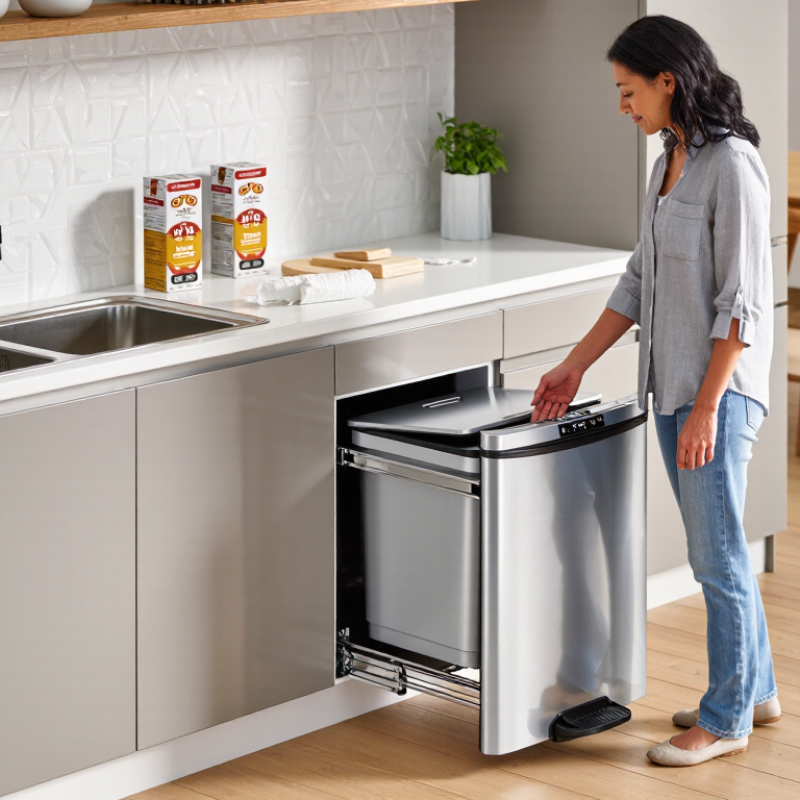
An in-home trash compactor is a compact appliance with a motor-driven ram. The ram presses household waste into a lined container. This reduces loose volume, so one bag can hold more everyday rubbish. In practical use, the process is simple: open the drawer, load suitable waste, close it, and activate the compaction cycle. The motor then applies pressure and returns to its starting position.
The U.S. Environmental Protection Agency reported 292.4 million tons of municipal solid waste in 2018. Americans generated about 4.9 pounds per person daily. The same report recorded a recycling and composting rate of 32.1%. These figures show why waste volume matters at home. A compactor can reduce trips to an outdoor bin, especially in small kitchens or apartments. Less overflow can also mean fewer loose wrappers around the container.
It is not magic.
Compaction does not reduce the material’s total weight. It only changes its density and shape. Liquids, hot ash, batteries, chemicals, and sharp objects require separate handling. Food scraps may also create odors if the liner remains inside too long. The World Bank’s What a Waste 2.0 report estimated 2.01 billion tonnes of municipal solid waste globally in 2016. That scale makes personal equipment useful, but not sufficient. A household still needs careful sorting, regular cleaning, and realistic expectations about capacity.
Why Choose an In-Home Trash Compactor?
What an In-Home Trash Compactor Is and How It Works
An in-home trash compactor uses a motor-driven ram to compress loose household waste into a denser mass. The chart shows a commonly cited household compaction benchmark: approximately 20 liters of loose waste can be reduced to about 5 liters after compaction, a 4:1 volume reduction. Actual results vary depending on the material, moisture level, and how the waste is arranged.
How Compaction Reduces Household Waste Volume
Why Choose an In Home Trash Compactor?
How Compaction Reduces Household Waste Volume
A home trash compactor uses mechanical pressure to compress everyday household waste. Instead of letting loose packaging fill a bin, the machine presses materials into a denser mass. In daily use, the change is easy to see. A half-full bin can become a compact block after several compression cycles. That extra space may reduce how often you empty the container. Small difference, noticeable.
The machine works best with dry, compressible materials. Flattened cartons, plastic containers, and lightweight packaging usually respond well. Wet food scraps are different. Moisture can create odors, leaks, and difficult cleaning. For this reason, households should separate recyclable materials and avoid placing unsuitable items inside. Compression does not eliminate waste; it changes its density. That distinction matters.
I once assumed every bag would shrink by the same amount. Actual results depend on the waste mix, moisture level, and packing habits. Published reduction figures can be useful, but household conditions vary. Measure your own bin for a week. A simple comparison can reveal whether the equipment fits your routine. I would also leave room inside the chamber. Overpacking may strain the mechanism and reduce performance. Maintenance is not glamorous. Cleaning the chamber and checking seals helps control odors and supports reliable operation. Used thoughtfully, compaction can reduce collection frequency and free storage space, though it may not suit homes producing mostly wet waste.
Practical Benefits of Using a Home Trash Compactor
An in-home trash compactor can make daily waste handling quieter and more predictable. The U.S. Environmental Protection Agency reported 292.4 million tons of municipal solid waste in 2018. That equals about 4.9 pounds per person each day. A compactor does not reduce waste creation, but it can compress bulky packaging before collection.
In a small kitchen, this means fewer overflowing bags and more usable cabinet space. Cardboard boxes, food containers, and lightweight plastic packaging often collapse into a denser load. My practical caution is simple: wet food waste can create odors quickly. Keep liquids out, clean the chamber regularly, and use suitable liners. The machine also needs a nearby outlet and enough door clearance.
The World Bank’s What a Waste 2.0 report projects global municipal waste could reach 3.4 billion tonnes annually by 2050. Household compaction may support cleaner storage, especially where collection schedules are limited. It does not replace recycling. Compressing recyclable materials together can make sorting harder. Separate paper, metal, and food scraps whenever local guidance requires it.
Energy use deserves attention. A compactor adds another appliance to the home, so its value depends on household volume and collection frequency. For a one-person apartment, the benefit may feel modest. For a busy family, reduced bag handling can be genuinely useful. Results vary. That is worth acknowledging.
Which Households Benefit Most from a Trash Compactor
Why Choose an In Home Trash Compactor?
Households with limited kitchen space often benefit most from an in-home trash compactor. It can compress bulky packaging, food containers, and daily refuse into smaller loads. This helps families with several occupants, frequent home cooking, or infrequent collection days. A compacting unit may also reduce overflowing bins near busy preparation areas.
It is not ideal for everyone. Small households with little waste may gain only modest savings. Noise, cleaning, and replacement bags also deserve attention. In everyday use, users should separate recyclables, liquids, sharp objects, and unsuitable materials before compacting. I have found that convenience can hide extra maintenance. That trade-off deserves honest consideration.
Tips: Measure the installation space carefully. Leave room for opening and cleaning. Keep the interior dry, and wipe the ram area regularly. Choose a model with clear operating instructions and accessible replacement parts. Never force oversized items inside. A fuller chamber does not always mean better results. Watch the first week of use, then adjust disposal habits based on actual household volume.
Key Factors to Consider Before Choosing One
Why Choose an In Home Trash Compactor?
Key Factors to Consider Before Choosing One
An in home trash compactor can reduce bulky waste and limit trips to outdoor bins. Before choosing one, measure the available space carefully. Check the height, width, door clearance, and ventilation requirements. A few centimeters can decide whether installation feels smooth or frustrating. I once underestimated door clearance in a tight kitchen layout. The machine fit, but the door became awkward to use.
Capacity matters as much as compression power. A small household may prefer a compact model with a removable container. Larger families need a stronger chamber and easy liner access. Look for a secure locking system, stable foot controls, and surfaces that wipe clean. Noise also deserves attention, especially in open-plan homes. Ask about operating volume rather than trusting vague claims.
Safety should guide every comparison. Choose designs with automatic stops, protected controls, and clear instructions. Avoid placing unsuitable materials inside, including liquids, sharp objects, or hot waste. Energy use, odor control, maintenance, and replacement parts affect long-term value. A washable interior helps, but it does not remove the need for regular cleaning. Service availability is important too. A low purchase price may become expensive when repairs are difficult. The best choice depends on your routines, space, waste volume, and tolerance for maintenance.
Related Posts
-
5 Effective Tips for Choosing the Right Trash Compactor for Your Business Needs
-
Essential Checklist for Choosing the Right At Home Trash Compactor for Your Waste Management Needs
-
How to Choose the Best At Home Trash Compactor for 2026?
-

Essential Compliance Standards for Importing Commercial Compactors Globally
-

Eco Friendly Waste Solutions for Your Home without Using Trash Compactors
-
Essential Techniques for Sourcing Automatic Trash Compactors in a Competitive Market