INDUSTRIES2023-04-26T19:33:38+00:00

What Are the Top Waste Compactor Types in 2026?

Waste Compactors are becoming essential as cities, retailers, factories, and construction sites face rising waste volumes. The United Nations Environment Programme reported 2.3 billion tonnes of municipal solid waste generated globally in 2023. Without major changes, that figure could reach 3.8 billion tonnes by 2050. These numbers make compaction more than a space-saving decision. It affects collection frequency, transport costs, workplace safety, and site cleanliness.

This guide examines the top Waste Compactor types for 2026, including stationary, self-contained, vertical, portable, and high-capacity industrial models. Each design solves a different operational problem. A supermarket may need a sealed self-contained unit for wet food waste. A distribution center may prefer a stationary compactor beside its loading dock. A small restaurant could benefit from a vertical machine where floor space is limited.

The U.S. Environmental Protection Agency recorded 292.4 million tons of municipal solid waste in 2018, with recycling and composting accounting for 32.1 percent. That data still highlights a practical concern: compactors must support proper material separation, not hide poor waste management. Equipment selection should consider waste density, moisture, access space, collection schedules, power requirements, and operator training.

There is no universal winner.

Field performance can differ from brochure claims. A powerful machine may be unsuitable for a narrow service yard, while a smaller unit may increase pickup frequency. The following comparison uses industry data, operating conditions, and safety considerations to identify which Waste Compactors deliver the strongest value in 2026. It also recognizes an uncomfortable limitation: efficiency depends on daily habits, not machinery alone.
What Are the Top Waste Compactor Types in 2026?

What Is a Waste Compactor and How Does It Work?

What Are the Top Waste Compactor Types in 2026?

A waste compactor reduces loose waste by pressing it into a smaller volume. This process uses a powered ram, usually hydraulic or electric. The ram moves through a chamber and pushes waste into a container, bin, or collection box. When the chamber reaches its filling limit, the operator stops the cycle and removes the container.

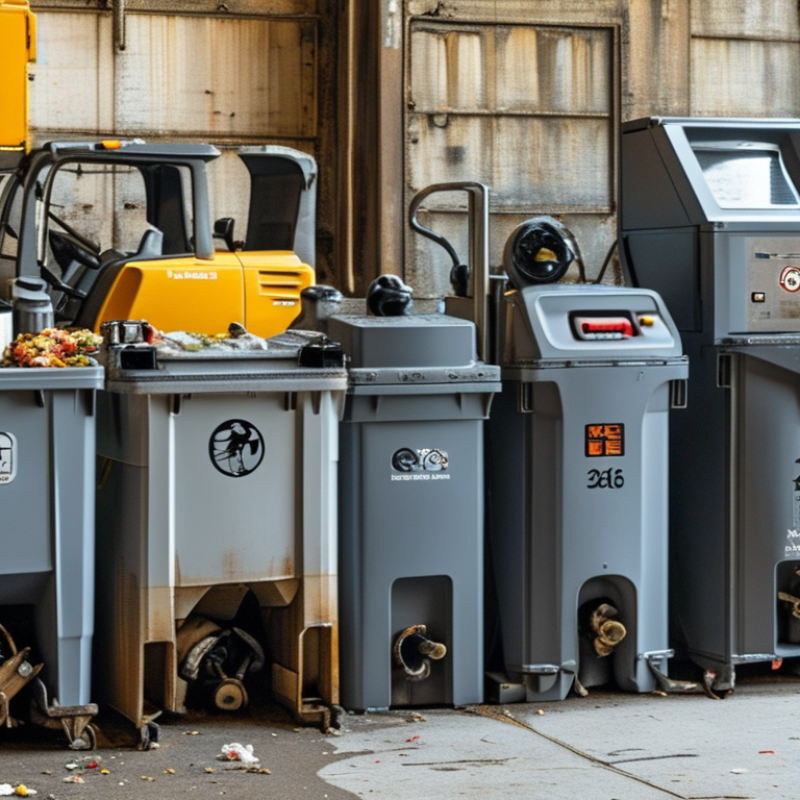
Common types include stationary compactors, self-contained compactors, vertical compactors, and high-density compactors. Stationary models suit dry waste near loading docks or production areas. Self-contained units hold liquid, making them practical for kitchens and food-processing spaces. Vertical units save floor space in smaller facilities. High-density systems apply stronger pressure for bulky, dry materials. In 2026, some systems also use fill-level sensors and remote alerts. These features improve scheduling, but they do not replace routine inspections.

Tips: Match the compactor with your waste stream and daily volume. Never compact sealed containers, pressurized items, or materials that can damage the chamber. Keep hands away from the ram path. Check hydraulic lines, door seals, and emergency stops regularly. A clean loading area reduces slips and contamination. Moisture can create problems. Even a suitable machine may perform poorly when waste is mixed carelessly. That detail is easy to overlook.

What Are the Main Types of Waste Compactors in 2026?

What Are the Main Types of Waste Compactors in 2026?

Waste compactors are becoming more specialized as waste volumes rise. UNEP’s Global Waste Management Outlook 2024 estimates that municipal solid waste may grow from 2.3 billion tonnes in 2023 to 3.8 billion tonnes by 2050. The right compactor now depends on waste density, moisture, collection frequency, and available space.

Stationary compactors suit supermarkets, factories, and distribution centers. They compress dry cardboard, packaging, and mixed commercial waste into a detachable container. Self-contained compactors combine the compactor and container, making them useful for kitchens, hospitals, and sites handling wet waste. Their sealed design can reduce leakage and odors.
Vertical compactors need limited floor space and often serve smaller buildings. They are practical, though loading speed can be slower.

Transfer-station compactors produce denser loads for long-distance hauling. High-density models can reduce transport trips, but only when the material is suitable and operating pressure is controlled. Mobile compactors offer flexibility for construction sites and temporary operations. However, frequent relocation may increase wear and maintenance demands.

The World Bank’s What a Waste 2.0 report projected global waste generation could reach 3.40 billion tonnes annually by 2050. This makes capacity planning important. A larger machine is not always better. Oversizing can waste energy and floor space. Undersizing creates overflow and repeated collections. Field audits remain essential, because actual waste behavior often differs from initial estimates. Some recommendations may still need revision after several weeks of operating data.

How Do Stationary and Self-Contained Compactors Differ?

Among the leading waste compactor types in 2026, stationary and self-contained units remain common choices. The practical difference is their relationship with the waste container. A stationary compactor stays fixed while a separate container receives compressed material. It suits distribution centers, factories, and dry commercial waste streams. Waste remains outside the compactor during collection. During site assessments, I look at loading volume, floor strength, vehicle access, and container exchange space. That separation can simplify servicing and support higher throughput. However, it may allow rainwater or odors to affect the container area.

A self-contained compactor combines the compactor and container in one sealed unit. Its enclosed body helps control liquids, odors, and pests from food waste or other wet materials. It works well near restaurants, hospitals, and busy residential facilities. The sealed design also reduces leakage risks during transport. But capacity is not the only concern. Power supply, drainage, cleaning access, and lifting clearance can change operating costs. Operators should inspect door seals and hydraulic components regularly. Small defects become expensive quickly. I have seen sites select self-contained equipment for cleanliness, then struggle with limited truck access. The choice is not always obvious. A stationary model may perform better when waste is dry, space is generous, and collection schedules are predictable. Self-contained equipment may be safer for wet waste, but only with disciplined cleaning and maintenance.

Which Compactors Suit Residential, Commercial, and Industrial Waste?

What Are the Top Waste Compactor Types in 2026?

Residential waste usually needs a compact, low-noise solution. Small vertical compactors suit apartment buildings, kitchens, and shared refuse rooms. They reduce loose bags before collection and limit odors when sealed properly. However, household users often underestimate power access and cleaning space. A machine that fits on paper may block a doorway in real life. The U.S. Environmental Protection Agency reported 292.4 million tons of municipal solid waste in 2018, or about 4.9 pounds per person daily. That volume makes reliable neighborhood compaction increasingly practical.

Commercial sites generate heavier and more varied waste. Stationary compactors work well behind supermarkets, offices, hotels, and warehouses handling dry cardboard or mixed refuse. Self-contained compactors are better for wet waste because the container helps control leakage. Operators should check loading height, pickup frequency, safety interlocks, and expected daily volume. The Global Waste Management Outlook 2024 warns that global municipal waste could rise from about 2.3 billion tonnes in 2023 to 3.8 billion tonnes by 2050. Small efficiency gains matter.

Industrial facilities need higher-force systems. Horizontal compactors, transfer-station units, and high-capacity baling systems suit manufacturing scrap, packaging waste, and distribution centers. They demand stronger floors, trained operators, and planned traffic routes. Bigger is not automatically better. Excessive pressure can damage equipment or complicate material recovery. The World Bank’s What a Waste 2.0 projected global waste generation could reach 3.40 billion tonnes by 2050. Site audits remain essential, because real waste streams are rarely as consistent as specifications suggest.

What Factors Determine the Best Waste Compactor for Each Application?

In 2026, the best waste compactor depends on the application, not the newest design. UNEP’s Global Waste Management Outlook 2024 estimates that municipal solid waste reached 2.3 billion tonnes in 2023. It may reach 3.8 billion tonnes by 2050. That pressure makes correct sizing essential. A small compactor causes overflow, extra labor, and frequent collections. An oversized unit wastes floor space and capital. No model wins every site.

Wet food waste usually needs a self-contained compactor with sealed storage and leakage control. Dry cardboard often suits a stationary or vertical compactor, especially where loading space is limited. Large factories may need roll-off or transfer systems for high-volume materials. Measure daily volume, peak volume, waste density, moisture, and collection frequency. Measure peaks. Averages can mislead. The Waste Management and Remediation Services report from the U.S. Bureau of Labor Statistics also highlights labor and operational efficiency as important cost considerations.

Site conditions can decide the result. Check doorway clearance, vehicle access, power supply, noise limits, drainage, and cleaning routines. Operators should compare electricity, maintenance, labor, container swaps, and hauling costs. Field assessments often miss door clearance until installation day. That mistake is avoidable, but common. A specification can look complete and still fail during holiday surges or seasonal production. Trial measurements over several weeks provide stronger evidence than estimates alone. The World Bank’s What a Waste 2.0 report also warns that rising waste volumes will increase pressure on collection and disposal systems. Reliability, safe access, and realistic capacity should therefore guide the final choice.

What Are the Top Waste Compactor Types in 2026? - What Factors Determine the Best Waste Compactor for Each Application?

Compactor Type Operating Principle Typical Applications Suitable Waste Stream Typical Container Volume Typical Throughput Main Advantages Key Limitations Most Important Selection Factors
Stationary Compactor A hydraulic ram compresses waste into a detachable container. The compactor remains fixed while the container is exchanged. Retail stores, distribution centers, factories, warehouses, office complexes, and commercial buildings. Dry mixed commercial waste, packaging, paper, cardboard, and non-hazardous general waste. Approximately 15–40 cubic yards (11–31 cubic meters), depending on site and haulage requirements. Often about 2–10 tons per hour, depending on material density, loading method, and operator cycle time. High volume reduction, fewer collection trips, relatively low operating cost, and efficient use of loading-dock space. Requires a compatible haul-away container and adequate clearance for container placement and removal. Daily waste volume, available loading area, container exchange access, waste density, and collection frequency.
Self-Contained Compactor The compaction chamber and container form one enclosed unit, helping contain liquids and odours during storage and transport. Restaurants, supermarkets, hospitals, hotels, food-processing facilities, and sites with strict hygiene requirements. Wet organic waste, food waste, putrescible waste, and general waste with a high liquid content. Approximately 12–35 cubic yards (9–27 cubic meters). Commonly about 1–8 tons per hour, depending on moisture, loading pattern, and material composition. Reduced leakage risk, improved odour control, better pest control, and suitable for indoor or covered loading areas. Usually heavier and more expensive to transport than an open stationary container; cleaning and drainage provisions are important. Liquid containment, sanitation standards, wash-down access, collection route compatibility, and local environmental requirements.
Vertical Compactor A vertically moving ram compresses waste into a removable container or bag, using a small floor footprint. Small retailers, apartment buildings, offices, restaurants, convenience stores, and locations with limited floor space. Cardboard, packaging, dry mixed waste, and moderate volumes of general non-hazardous waste. Commonly about 0.5–4 cubic yards (0.4–3 cubic meters) per container or bag. Generally about 0.2–2 tons per hour, depending on loading frequency and compaction cycle. Small footprint, lower installation demands, convenient indoor use, and reduced manual handling of loose waste. Lower capacity and throughput than horizontal systems; loading height and safe access must be carefully managed. Available floor and ceiling height, operator access, waste volume, electrical supply, and manual-loading safety.
Transfer-Station Compactor A heavy-duty hydraulic ram compacts large quantities of waste into high-capacity transfer containers or trailers. Municipal transfer stations, regional waste facilities, large construction sites, and high-volume industrial operations. Municipal solid waste, bulky waste, construction debris, commercial waste, and selected industrial waste streams. Approximately 30–100 cubic yards (23–76 cubic meters), depending on the transfer system. Often above 10 tons per hour; engineered systems may handle substantially higher rates. High throughput, reduced long-haul transportation cost per ton, and integration with conveyors, tipping floors, and automated controls. High capital cost, significant civil works, large space requirement, and more complex maintenance and safety controls. Peak hourly tonnage, vehicle traffic, container or trailer interface, site layout, automation level, and lifecycle cost.
Compactor-Baler A hydraulic platen compresses recyclable material into tied or strapped bales for storage, handling, and onward recycling. Retail distribution, manufacturing, recycling collection points, warehouses, and material recovery operations. Cardboard, paper, plastic film, beverage containers, and other sorted dry recyclables. Bale outputs commonly range from about 40–600 kilograms, depending on material and machine size. Typically about 0.5–5 tons per hour, depending on bale size, material preparation, and tying time. Produces stackable units, improves transport efficiency, supports recycling revenue, and reduces storage volume. Requires source separation, bale tying or strapping, operator training, and adequate dry storage space. Recyclable material quality, bale specifications, available storage, downstream buyer requirements, and labour availability.
Mobile Compactor A compaction unit mounted on a movable frame or vehicle is repositioned between loading points or work areas. Construction projects, temporary events, demolition sites, campuses, and facilities with changing waste locations. Construction waste, bulky materials, general waste, and temporary project waste. Usually about 10–40 cubic yards (8–31 cubic meters). Commonly about 1–8 tons per hour, influenced by loading equipment and waste composition. Flexible deployment, reduced need for permanent civil works, and convenient service for changing work zones. Requires suitable access routes, turning space, stable ground, and safe positioning during operation. Project duration, ground conditions, access for towing or transport, loading equipment, and local traffic controls.
Important selection note: Actual capacity, throughput, compaction ratio, power consumption, and container size vary by equipment design, waste composition, moisture content, loading method, operating cycle, and local regulations. Final selection should be based on measured waste volume and density, peak loading demand, available space, collection logistics, safety requirements, and total cost of ownership.
Go to Top