INDUSTRIES2023-04-26T19:33:38+00:00

Best Vertical Trash Compactor for Commercial Use 2026?

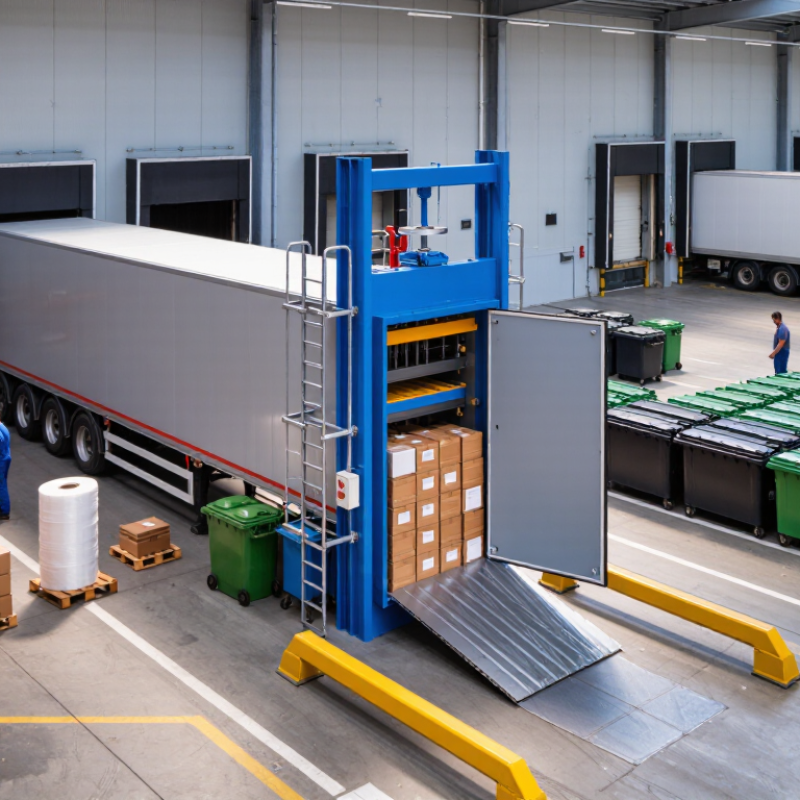
A busy loading dock can fill a waste area with flattened cartons, stretch wrap, and overflowing bins before the afternoon shift ends. For many facilities, a Vertical Trash Compactor can reduce loose-waste volume and make collection areas easier to manage. But “best” depends on the material stream, daily output, floor space, and collection schedule—not just machine size.

The U.S. Environmental Protection Agency’s Advancing Sustainable Materials Management report estimated that Americans generated 292.4 million tons of municipal solid waste in 2018, or about 4.9 pounds per person daily. That figure covers municipal solid waste, not commercial waste alone, so it should not be treated as a facility-specific benchmark. The World Bank’s What a Waste 2.0 report projected global waste generation could reach 3.4 billion tonnes by 2050. The pressure is real. Yet a compactor is only one part of a sound waste plan.

This guide examines commercial vertical compactors through practical selection criteria: usable capacity, loading height, cycle controls, safety features, service access, and compatibility with the waste being handled. A unit that suits a hotel’s cardboard stream may not fit a food distributor’s mixed packaging or a tight back room. That detail is easy to miss. Specifications also need checking against actual site conditions, since published capacity alone rarely tells the whole story. Use these comparisons as a starting point, then confirm requirements with the manufacturer and a qualified site assessor before choosing equipment.
Best Vertical Trash Compactor for Commercial Use 2026?

How Commercial Vertical Trash Compactors Work

Best Vertical Trash Compactor for Commercial Use 2026?

How Commercial Vertical Trash Compactors Work

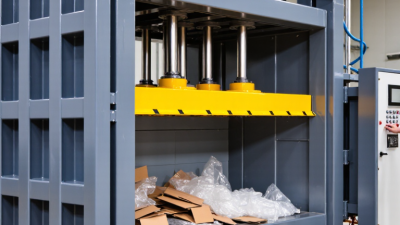
A vertical trash compactor reduces bulky waste by pressing it downward inside an enclosed chamber. Staff load suitable material through a loading door and secure it before starting a cycle. A hydraulic system drives a steel ram down, compressing the waste into a collection container below. The ram then retracts, leaving the compacted material in place and creating room for another load. Cycle time and compaction force vary by machine, material, and loading conditions.

Not magic.

Safety features help prevent operation while access doors are open, but staff still need proper training. Keep hands and tools clear of the chamber, and never bypass an interlock. Once the container is full, follow the machine’s instructions for removing it; compacted loads can be heavy and uneven. Routine checks for hydraulic leaks, damaged seals, and unusual noises can catch problems early.

A compactor also needs waste that suits its design. Cardboard, packaging, and general refuse may behave differently, so mixing materials can reduce performance. I would not judge a machine by compaction claims alone. Check the chamber size, loading height, service access, and the types of waste your site actually produces.

Key Components and Performance Specifications

A commercial vertical trash compactor depends on more than hydraulic pressure. The power unit, cylinder, platen, and welded chamber must work together under repeated loads. A reinforced platen should travel evenly, without scraping the chamber walls. Uneven movement can signal poor alignment or wear.

Check rated force, chamber volume, and duty cycle against the waste your site actually produces. Cardboard compresses differently from damp food packaging, so advertised volume reductions are not guarantees. Ask for cycle time under load, not just an unloaded demonstration. Short cycles help busy loading areas, but frequent operation can increase heat and maintenance needs. That trade-off is easy to overlook.

Safety components matter every shift. Look for guarded access, an emergency stop, and interlocks that prevent operation when the loading door is open. Confirm the container locks securely and can be removed without blocking nearby work areas. Electrical requirements, noise levels, and service access also affect installation. Measure the doorway and floor space before delivery; a unit that fits on paper may still be awkward beside a busy loading dock. I would also check how filters, hoses, and seals are inspected, since routine upkeep is rarely as simple as a brochure suggests.

Types of Vertical Compactors for Commercial Settings

Commercial vertical compactors differ mainly in how waste enters the chamber and where the machine sits. An open-feed unit lets staff load bags or loose packaging through a front opening. It can suit a back room where workers bring waste directly to the machine. Check the opening height and working clearance; a tight corner can make daily loading awkward.

A chute-fed vertical compactor receives waste from an upper floor or a dedicated disposal point. It can reduce trips through busy work areas, but the chute needs suitable access and regular cleaning. For larger volumes, a unit with a cart tipper can lift wheeled bins into the feed opening. That helps where staff already collect waste in carts. Space matters. The cart, operator, and machine all need room to move safely.

Some models are designed for dry recyclables, such as flattened cardboard, while others handle general bagged waste. Match the compactor to the material and the busiest shift, not just the average day. Keep it dry. A site survey should check doorways, floor strength, electrical supply, and collection access. Measurements can still miss real workflow problems. Watch staff load waste before choosing; the best arrangement on a plan may feel clumsy in practice.

How to Compare Models for Your Facility

The best vertical trash compactor for commercial use depends on your facility’s waste stream and daily routine. Record typical and peak volumes, then note whether loads contain cardboard, packaging, or mixed refuse. Measure the loading area, ceiling clearance, door width, and route to the collection point. Small details matter. A machine that fits on paper may obstruct a pallet jack when its door opens.

Compare each model’s rated capacity, cycle time, loading height, and compaction force, but check how those figures were measured. Bulky cartons and dense materials behave differently, so a published capacity may not match your real output.

Think about operator access, guarding, emergency stops, and how easily staff can keep the area clear. A quieter cycle may also matter near customer spaces or shared work areas.

Ask suppliers for installation requirements, service intervals, and the availability of replacement parts. Estimate the full operating cost, including power, collection frequency, and staff time—not just the purchase price. If possible, test a representative load or request a site assessment. It takes extra effort. Still, choosing from a spec sheet alone can leave an awkward fit, and that part is easy to overlook.

Safety, Maintenance, and Operating Costs in 2026

A vertical trash compactor can reduce loose waste and collection frequency, but safe operation depends on the whole routine. Keep the loading area dry and clear, and post simple instructions where staff can see them. Operators should use the controls from the designated position and never reach into the chamber. Interlocks and emergency stops need regular checks; a machine that stops unexpectedly deserves attention, not a quick workaround. That detail matters.

Maintenance costs are easier to manage when small problems are caught early. Check for hydraulic oil around hoses, unusual ram movement, damaged controls, and waste caught near the guides. Clean the loading area without bypassing safety devices, and follow the manufacturer’s service schedule. Record inspections and repairs. Honestly, busy teams may skip paperwork, but that makes recurring faults harder to spot. A short log is better than relying on memory.

Operating costs include more than electricity. Labor, service visits, replacement parts, and collection charges all affect the budget. Track service calls and waste pickups before estimating savings; actual results depend on waste type, loading habits, and collection arrangements. A compactor may lower hauling frequency, yet poor sorting or inconsistent use can erode that benefit. Choose equipment suited to daily volume, and leave room in the budget for planned maintenance.

Best Vertical Trash Compactor for Commercial Use 2026? — Safety, Maintenance, and Operating Costs in 2026
Commercial use profile Typical compaction force Suitable waste and setting Safety features to verify Routine maintenance Indicative electricity cost per cycle Best-fit guidance
Low-volume site Approximately 2–5 short tons (about 18–44 kN); verify the rated force on the equipment specification. Dry, compressible waste such as cardboard or general bagged refuse at a small shop, office, or back-of-house area. Enclosed loading area, guarded moving parts, an interlocked access door, emergency stop, and clear operating instructions. Inspect the door interlock, emergency stop, hydraulic hoses, and area around the machine. Keep the loading area clean and follow the manufacturer’s service schedule. About $0.001–$0.01, using an illustrative 1.5–3.7 kW motor, 20–60 seconds of motor run time, and electricity at $0.15/kWh. A practical choice where waste volume is modest and floor space, power supply, and purchase cost matter more than maximum force.
Moderate-volume site Approximately 5–10 short tons (about 44–89 kN); actual force and cycle design vary by machine. Regular cardboard or mixed dry commercial waste at a restaurant, supermarket, warehouse, or multi-tenant property. Check for a functioning interlock and emergency stop, safe controls positioned away from the ram area, and documented operator training. Check hydraulic fluid level as directed, look for leaks or damaged hoses, and inspect controls and safety devices. Arrange qualified service if a fault appears. About $0.001–$0.01 under the same illustrative electricity assumptions; actual cost depends on motor run time and local electricity rates. A strong general-purpose option when daily waste volume is consistent and a larger chamber can reduce the frequency of handling.
High-volume site Often around 10–20 short tons (about 89–178 kN), subject to the selected equipment’s rated specification. Frequent loads of dry, compressible waste at a distribution facility, large retailer, or other busy commercial operation. In addition to interlocks and an emergency stop, confirm safe loading access, suitable guarding, warning labels, and a site-specific operating procedure. Use a documented inspection schedule. Have trained personnel check hydraulic components, electrical controls, structural parts, and safety devices; keep service records. Not reliably estimated from force alone. Calculate using measured motor run time, motor input power, and the site’s electricity tariff. Consider only if its rated capacity, electrical supply, installation space, and collection arrangements match the site’s waste stream.
Wet or food-contaminated waste Choose by the equipment’s rated application and waste compatibility; force alone does not establish suitability. Wet, liquid-bearing, or food-contaminated refuse may require a purpose-designed, leak-resistant unit and appropriate waste handling. Verify that the machine is approved for the intended material and has suitable containment. Keep people clear during operation and never bypass a safety device. Clean spills promptly using site procedures. Inspect containment and drainage components where fitted, and follow the manufacturer’s cleaning and service instructions. Depends on the selected machine and cycle time; obtain a measured or manufacturer-provided energy figure for a meaningful estimate. Do not assume a standard dry-waste compactor is suitable. Confirm material compatibility, hygiene requirements, and local waste rules before purchase.
Cost and safety notes: Electricity figures are illustrative calculations, not a quoted operating cost: motor input power × motor run time × electricity price. They exclude standby consumption, installation, collection, bags or liners, and service. Maintenance costs vary with duty cycle, environment, and service contract, so request a written schedule and quote. Select equipment by the actual waste stream and rated duty; follow the manufacturer’s instructions and applicable workplace-safety requirements. Never reach into the chamber or defeat an interlock, and isolate and lock out energy sources before servicing.
Go to Top