What Is a Vertical Compactor and How Does It Work?
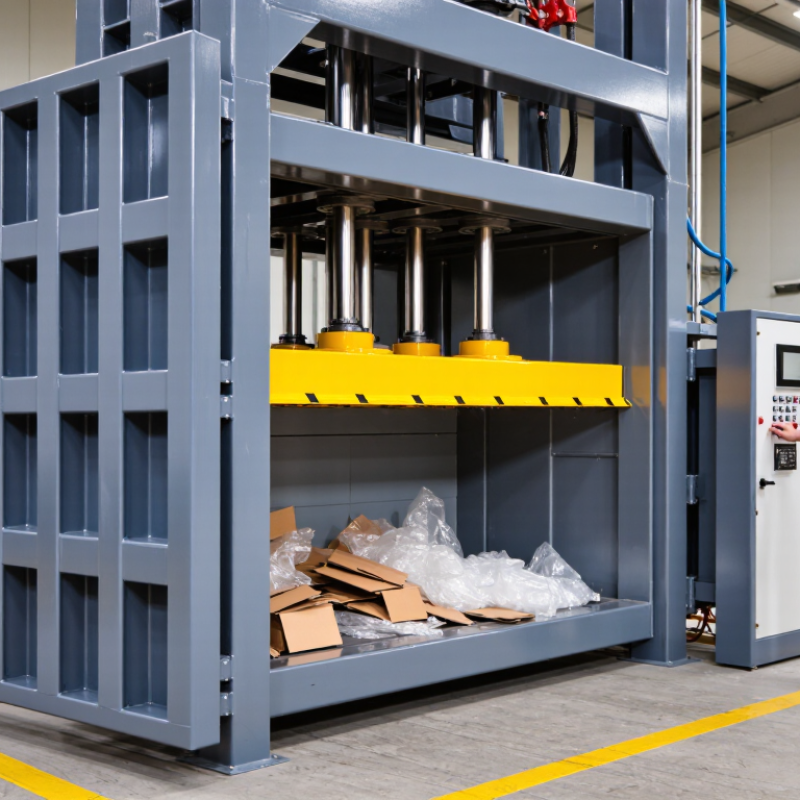
A Vertical Compactor is a practical machine for reducing the volume of recyclable and general dry waste. It compresses loose materials inside a strong chamber, creating dense bales for easier storage and transport. Unlike horizontal systems, it usually works upward through a vertical ram. This design uses limited floor space, making it suitable for retail stores, warehouses, hotels, offices, and smaller recycling areas.
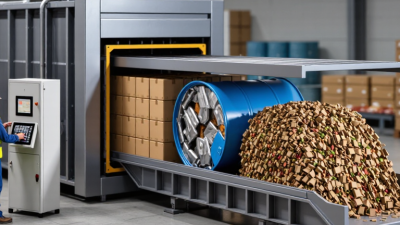
In daily operation, an employee loads suitable materials through the access door. The hydraulic ram then moves downward, applying controlled pressure to the contents. After several cycles, the compacted material is tied or wrapped and removed safely. Cardboard, plastic film, and some packaging waste are common applications, but the exact materials depend on the manufacturer’s instructions. Never treat every waste stream as compatible.
From my experience reviewing waste-handling equipment, correct loading often affects performance more than advertised pressure. Overfilled chambers can create uneven bales, while wet materials may cause leakage, odors, or maintenance problems. Operators should inspect hoses, doors, switches, and emergency stops before use. Training matters.
The machine is simple, but not careless-proof. That distinction matters.
This guide explains the main components, operating cycle, safety practices, maintenance needs, and selection factors behind a Vertical Compactor. It also considers practical limits, because compaction results vary with material type, moisture, bale density, and operator habits. Some specifications appear precise, yet real working conditions can produce different outcomes. Reliable decisions require manufacturer data, site measurements, and experienced supervision.
What Is a Vertical Compactor?
A vertical compactor is a waste-processing machine that compresses loose materials inside an upright chamber. A hydraulic ram moves downward and applies controlled pressure to the load. This reduces volume and creates a denser package for easier handling. It is commonly used for cardboard, plastic film, paper, and certain dry commercial waste. The exact materials depend on the machine’s design and safety instructions.
The operator places material into the chamber, closes the access door, and activates the compaction cycle. The ram presses the material against the chamber floor or a holding plate. After reaching its programmed pressure, the ram retracts, leaving space for another load. Some units use ties, straps, or a removable container to keep the compressed material together.
A vertical compactor can reduce collection frequency, but performance depends on moisture, material type, and loading habits. Wet waste may create odors, leakage, or cleaning problems. Overloading can damage components and produce uneven compression. In my experience, operators sometimes focus too much on maximum pressure. Consistent loading usually matters more. Training, routine inspections, guarded moving parts, and clear lockout procedures are essential. The machine should never be used for prohibited materials or items that can ignite, explode, or injure workers. Exact operating limits should come from the equipment manual and a qualified safety professional.
Key Components and Their Functions
A vertical compactor compresses loose waste inside an upright chamber. Its purpose is simple: reduce volume before collection. The United States Environmental Protection Agency reported 292.4 million tons of municipal solid waste in 2018. That scale makes space efficiency more than a minor operating concern.
The feed hopper receives cardboard, packaging, or general dry waste. A steel chamber contains the material and resists outward pressure. Above it, a hydraulic cylinder drives the compaction ram downward. The hydraulic power unit supplies controlled force through oil pressure. Valves regulate movement, speed, and return. The control panel starts the cycle and displays operating conditions. Safety interlocks should stop the ram when a door opens. Small details matter here.
A retaining door or strap system holds the compressed load. Some units discharge material into a container, while others form a removable bale. The correct arrangement depends on waste type and collection methods. The World Bank’s What a Waste 2.0 report estimated 2.01 billion tonnes of solid waste in 2016. It projects 2.59 billion tonnes by 2030. These figures explain the equipment’s growing relevance, but they do not predict every site’s performance. Moisture, contamination, uneven loading, and poor maintenance can reduce compaction efficiency. A neat specification is not a guarantee. Operators should inspect hydraulic leaks, door seals, emergency stops, and ram alignment during routine checks. Industry practice often exposes weaknesses that brochures miss.
How the Compaction Process Works
What Is a Vertical Compactor and How Does It Work?
A vertical compactor reduces loose waste by pressing it downward inside a tall chamber. Its main parts include a loading door, ram, hydraulic cylinder, control panel, and safety interlocks. The operator places suitable material into the chamber. The door must close before the machine can run. Then, hydraulic force pushes the ram downward. Pressure removes air and reduces the material’s volume.
The compaction process works in controlled cycles. The ram travels slowly through the chamber, compressing material against the lower section. Cardboard may fold, while plastic containers can shift and resist pressure. The operator may repeat the cycle until the chamber reaches its working capacity. After compression, the ram retracts. The compacted material is secured with approved strapping or another suitable method. Sensors help prevent operation when the door is open. Manual checks still matter. A sensor can fail or misread.
In daily operation, loading technique affects the final result. Uneven material can create a loose corner or an unstable bale. Damp cardboard may also behave differently from dry cardboard. Small details matter. Experienced operators watch ram movement, unusual noise, and changes in pressure. They also keep the chamber clear and inspect hydraulic components regularly. The process looks simple. It is not always predictable. A neat-looking bale may still contain poorly compressed areas, so operators should question the result rather than trust its appearance alone.
Common Materials and Applications
What Is a Vertical Compactor and How Does It Work?
Common Materials and Applications
A vertical compactor compresses loose waste inside a standing chamber. A hydraulic ram pushes material downward into a container or tied bale. This reduces storage volume and limits overflowing bins. The equipment usually fits beside loading docks, retail backrooms, warehouses, and food-service areas.
Cardboard is one of the most common materials. Dry paper, shrink film, textile offcuts, and nonhazardous packaging may also be suitable. The U.S. Environmental Protection Agency reported 292.4 million tons of municipal solid waste in 2018. Paper and paperboard represented about 67.4 million tons. These figures explain why compacting fiber materials remains a practical waste-management step. Clean cardboard also supports easier recycling and fewer collection trips.
The machine has limits. Wet organic waste can create odor, leakage, and difficult cleaning. Glass, pressurized containers, batteries, and hazardous materials require separate handling procedures. E-waste should never be treated as ordinary compacted waste; The Global E-waste Monitor 2024 recorded 62 million tonnes generated worldwide in 2022, with only 22.3% formally collected and recycled. That gap needs specialized systems, not stronger pressure.
In real facilities, operators often compact mixed packaging after removing obvious contaminants. That approach saves space, but it is not perfect. A single contaminated load can reduce recycling value. Regular inspections, safe loading practices, and documented material rules help keep the compactor reliable.