How to Choose the Best Home Trash Compactor for Your Needs?
Choosing the right Home Trash Compactor can significantly enhance your waste management experience. With so many options available, it's essential to understand your specific needs. Not all compactors are created equal. Different models vary in size, features, and efficiency.
Consider your household waste volume. A compact unit may suffice for a small family, while larger households might require more robust models. It's crucial to think about factors like design and ease of use. Some compactors can be cumbersome and challenging to operate.
Lastly, evaluate the brand's reputation and warranty. A reliable Home Trash Compactor can save time and reduce trash odor. Research customer reviews for real-life insights. Think carefully about your options. This is an investment in your home's cleanliness and convenience.
Understanding Trash Compactors: Types and Features
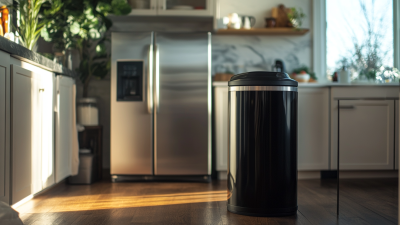
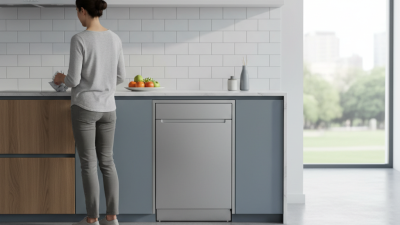
Trash compactors are essential for efficient waste management at home. They come in various types, including freestanding and built-in models. Freestanding units can be placed anywhere in your kitchen. Built-ins fit seamlessly into cabinetry, enhancing aesthetics. Consider your kitchen layout when choosing a type.
Key features of trash compactors vary widely. Some models have automatic operation, which simplifies usage. A compaction ratio indicates how much waste is reduced. Higher ratios mean less frequent trips to the dump. Noise levels also matter. Some units are quieter than others, which is a big plus in a busy household.
While picking a trash compactor, think about your specific needs. Do you generate a lot of waste? Look for a larger capacity unit. Have limited space? Slimmer models may work better. Reflect on the installation requirements as well. A lack of proper installation can lead to operational issues. Keep these factors in mind as you explore options.
How to Choose the Best Home Trash Compactor for Your Needs?
| Feature |
Type A |
Type B |
Type C |
| Size |
Compact (15" x 24") |
Standard (18" x 24") |
Large (24" x 24") |
| Power Source |
Electric |
Manual |
Electric |
| Capacity |
30 lbs |
40 lbs |
50 lbs |
| Noise Level |
Medium |
Low |
Medium |
| Price Range |
$300 - $500 |
$200 - $400 |
$400 - $600 |
| Additional Features |
Odor control |
Safety lock |
Auto shut-off |
Assessing Your Household Waste Needs
Assessing your household waste needs is crucial when selecting a trash compactor. Understanding the types of waste generated in your home will guide your decision. Do you produce a lot of recyclables or bulky items? Knowing this helps you pick a model with suitable features.
Consider the volume of waste your family generates. A small household may not need a heavy-duty compactor. If you have kids or frequently host gatherings, you might need one with a larger capacity. Think about the space available too. Many models come in various sizes, so ensure it fits seamlessly into your kitchen.
Evaluate your lifestyle. If you're environmentally conscious, a compactor that reduces waste volume can be beneficial. However, remember that not all waste can be compacted. Non-recyclable or hazardous materials need special disposal. Reflect on your habits and preferences. A compactor should complement your values without causing any inconvenience.
Evaluating Size and Capacity for Your Home
When choosing a home trash compactor, size and capacity are crucial factors. Consider the amount of waste your household typically generates. A smaller family may need a unit that holds about 1 cubic foot, while larger families often require 2 or even 3 cubic feet of capacity. Assess your kitchen space too. You should have enough room for the compactor without it feeling cramped or obstructive.
Installation options also matter. Some models fit under the counter, while others may stand alone. Evaluate your kitchen layout. It’s important that the compactor is accessible yet doesn’t disrupt your daily activities. If you often entertain guests, a larger capacity may be beneficial. However, if you primarily create minimal waste, a compact model could suffice.
Be mindful of the compaction ratio. This value shows how much waste is reduced. A higher ratio means less frequent emptying, but it can lead to larger bulks of waste. Reflect on your habits. If you are not diligent about taking the trash out, you might end up with unpleasant odors. Ultimately, the right size and capacity will significantly impact your kitchen’s efficiency and waste management practices.
Considering Energy Efficiency and Noise Levels
When selecting a home trash compactor, energy efficiency is a key factor. According to the U.S. Department of Energy, appliances account for about 20% of a household's energy use. Choosing an energy-efficient model can lower your electricity bills and minimize your environmental footprint. Look for compactors with the Energy Star label. These models use 10-50% less energy compared to standard units.
Noise levels are another critical consideration. Many compactors can be loud, disrupting daily activities. The average noise level of a trash compactor can range from 55 to 70 decibels. A quieter model, operating around 55 decibels, is comparable to the sound of a normal conversation. This subtlety allows for a more comfortable living environment.
However, it’s important to note that an ultra-quiet model may come with trade-offs. Sometimes, they might not compress waste as thoroughly. This could lead to less efficient waste management in the long run. Think about your priorities. Balancing energy efficiency and noise levels is crucial for a satisfying experience with your trash compactor. Every household has different needs, and it may take time to find the right fit. Testing models in-store can provide further insight into noise and performance.
Installation and Maintenance Tips for Optimal Use
When using a home trash compactor, understanding installation and maintenance is crucial for optimal performance. Start by ensuring your compactor has adequate ventilation. Poor airflow can lead to overheating. Choose a location away from moisture or heat sources to prolong its lifespan.
Regular maintenance is essential to keep the machine running efficiently. Check the compacting ram periodically for jams. Clear any debris to avoid operational issues. Cleaning the interior regularly helps to control odors and maintain hygiene. Sanitize the container every few weeks for best results.
Proper use extends the life of your compactor. Avoid overloading it to prevent jams. Only compact dry waste to reduce the risk of mold. Recognizing these factors can make a significant difference in your compactor's efficiency. Even with routine checks, unexpected issues might arise. Stay prepared to adapt your maintenance approach as needed.