Why Choose an Industrial Compactor for Your Business?
Choosing the right Compactor Industrial equipment can change how a business handles waste every working day. Fewer loose materials reach the loading area. Collection frequency may fall. Valuable floor space can return to production, storage, or customer use.
A compactor is not merely a large steel box. Its value depends on waste volume, material density, moisture, loading patterns, and collection schedules. In a busy supermarket, cardboard may arrive in flattened layers every hour. In a food facility, wet waste creates different pressure, cleaning, and corrosion concerns. The wrong machine can increase downtime instead of reducing it.
Mike Savage, a waste-equipment consultant and president of Compactor Management Company, offers a practical principle: “Choose equipment around the waste stream, not simply the available floor space.” That advice deserves attention. Before purchasing, managers should measure daily waste, inspect access routes, and confirm electrical and service requirements. Staff training matters too. A powerful machine still performs poorly when operators overfill it or ignore warning signals.
The business case is usually built on fewer pickups, cleaner work areas, and better labor use. However, savings should be tested against installation, maintenance, energy, and rental costs. Numbers can disappoint.
Not every site needs a compactor.
This article examines when Compactor Industrial technology makes operational sense, which specifications deserve scrutiny, and where common purchasing assumptions fail. It also considers safety, reliability, and long-term service support. A realistic decision may be less impressive than the biggest machine, but it is often more useful.
What Is an Industrial Compactor?
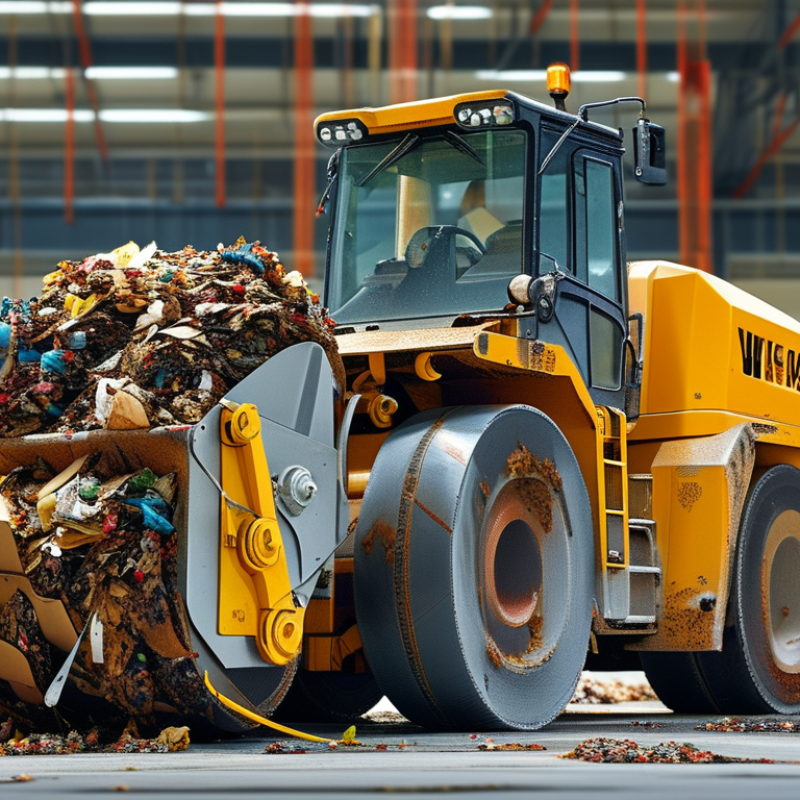
An industrial compactor is a heavy-duty machine that compresses loose business waste into a smaller, denser mass. It usually uses a hydraulic ram inside a steel chamber. The ram presses materials such as cardboard, packaging film, pallets, or general refuse. This reduces storage volume near loading docks and collection areas.
Industrial compactors are built for steady, demanding use. A restaurant may choose a sealed unit for wet food waste and odor control. A warehouse may need a stationary compactor for large amounts of cardboard and packaging.
Some facilities use vertical compactors when floor space is limited. The correct type depends on waste volume, material, loading methods, and collection schedules.
It is not magic.
A compactor does not sort materials or remove contamination. Wet waste can create cleaning problems if the chamber is poorly maintained. Overloading may damage equipment and create unsafe working conditions. Operators should follow training procedures, inspect guards, and keep hands away from moving parts. From practical use, the best results come from measuring daily waste before buying equipment. Guessing capacity often leads to unnecessary costs or frequent overflow. Maintenance records also matter, although busy teams sometimes neglect them until a fault stops operations.
How Does an Industrial Compactor Work?
Why Choose an Industrial Compactor for Your Business?
How Does an Industrial Compactor Work?
An industrial compactor reduces loose material by applying controlled pressure inside a strong chamber. Waste enters through a hopper, often from a conveyor or loading area. A hydraulic pump then sends fluid to a cylinder. The cylinder drives a steel ram forward. This movement compresses the material against a fixed wall or movable plate.
During operation, sensors monitor the ram position, door status, and chamber pressure. The control system prevents the cycle from starting when access panels remain open. After compression, the ram retracts, leaving more room for the next load. Some systems form compact blocks, while others push material into a sealed container. The exact result depends on material type, moisture, and loading patterns.
In real facilities, cardboard, packaging film, and general waste behave differently. Wet material may stick to the chamber and reduce efficiency. Overloading can also strain hydraulic components. This is where operator experience matters. Staff should inspect hoses, seals, guards, and emergency stops on a planned schedule. Keep the loading area clear. It sounds obvious, yet rushed shifts sometimes ignore it. A compactor is not a magic box; poor sorting can damage equipment and create uneven loads. Recording cycle times and container weights helps managers identify rising maintenance needs before a small fault becomes an expensive interruption.
Which Business Needs Can a Compactor Address?
A busy supermarket may fill several cardboard cages before the collection truck arrives. An industrial compactor addresses this daily pressure by reducing loose waste volume. It compresses cardboard, packaging, and approved general waste into denser loads. This can free floor space, reduce overflow near loading areas, and limit repeated handling. The benefit is practical, not universal.
Restaurants, food processors, warehouses, and retail stores often face different waste problems. A restaurant may need cleaner storage for packaging during peak dinner hours. A warehouse may need to control bulky cartons around receiving docks. Property managers can also consider compactors for large commercial buildings with limited waste rooms. Less volume may support fewer collections, but the result depends on local service schedules and material types.
Not every site needs one. That matters.
The first capacity estimate is often wrong. Waste volume changes with seasons, promotions, and tenant activity. A responsible evaluation should review daily volume, material composition, available power, access routes, and collection frequency. Operators should also receive clear training on loading limits, guarded access, and routine checks. Small workflow details matter. I would not choose equipment from volume alone; a site walk-through usually reveals problems that spreadsheets miss. One narrow doorway or an uneven floor can change the entire installation plan.
What Benefits Does Industrial Compaction Provide?
Industrial compactors compress bulky waste before storage, transport, or processing.
That simple pressure changes daily workflow. In a warehouse, fewer loose bags mean clearer aisles and fewer manual handling trips. The World Bank’s What a Waste 2.0 report estimates 2.01 billion tonnes of municipal waste are generated globally each year. It projects global waste could reach 3.40 billion tonnes by 2050. These figures show why space and collection efficiency matter.
Compaction can increase usable container capacity, but the exact gain varies by material and machine settings. Dense loads may reduce collection frequency and fuel use. The U.S. Environmental Protection Agency reports that Americans generated 292.4 million tons of municipal solid waste in 2018. Only 32.1 percent was recycled or composted. That gap makes source separation essential. A compactor cannot fix poor sorting. That is an important limitation.
Enclosed loading areas can reduce scattered debris, odors, and pest access. However, safer operation depends on guarding, training, and documented lockout procedures. OSHA’s machine-guarding and lockout/tagout requirements provide a practical baseline. Maintenance teams should inspect interlocks, hydraulic lines, and emergency stops. Small failures become expensive quickly. I would not promise a fixed payback period without site measurements. Waste density, pickup pricing, labor time, and electricity costs all change the calculation. A short audit before purchase often reveals whether compaction improves the actual process.