2026 Best Commercial Waste Compactor for Businesses
Choosing the 2026 Best Commercial Waste Compactor requires more than comparing motor power and purchase prices. A busy supermarket may fill several wheeled bins before closing. A hotel faces different pressures, including food packaging, limited storage, and early collection schedules. The right Commercial Waste Compactor can reduce waste volume, control odors, and keep service areas more orderly. However, “best” depends on waste type, daily volume, available floor space, and staff habits. There is no universal winner.
This guide examines compaction performance, chamber size, loading height, noise, energy use, controls, and maintenance access. Operators should inspect door seals, emergency stops, drainage points, and cleaning areas before buying. A unit that performs well in a showroom may struggle beside a hot kitchen or a narrow service corridor. That detail matters. Real working conditions reveal weaknesses that brochures rarely mention. Reliable recommendations should also consider manufacturer documentation, warranty coverage, technician availability, staff training, and compatibility with existing collection routines.
Some models promise impressive reduction ratios. Those figures may depend on ideal materials and consistent loading. Mixed waste often behaves differently. A cheaper machine may appear practical, yet frequent cleaning or difficult repairs can increase long-term costs. No machine is perfect. This overview weighs useful strengths against realistic limitations, helping businesses make a more informed decision. Readers should still confirm site measurements, electrical requirements, safety features, and local operating requirements before installation. Small oversights can become expensive problems.
What Is a Commercial Waste Compactor?
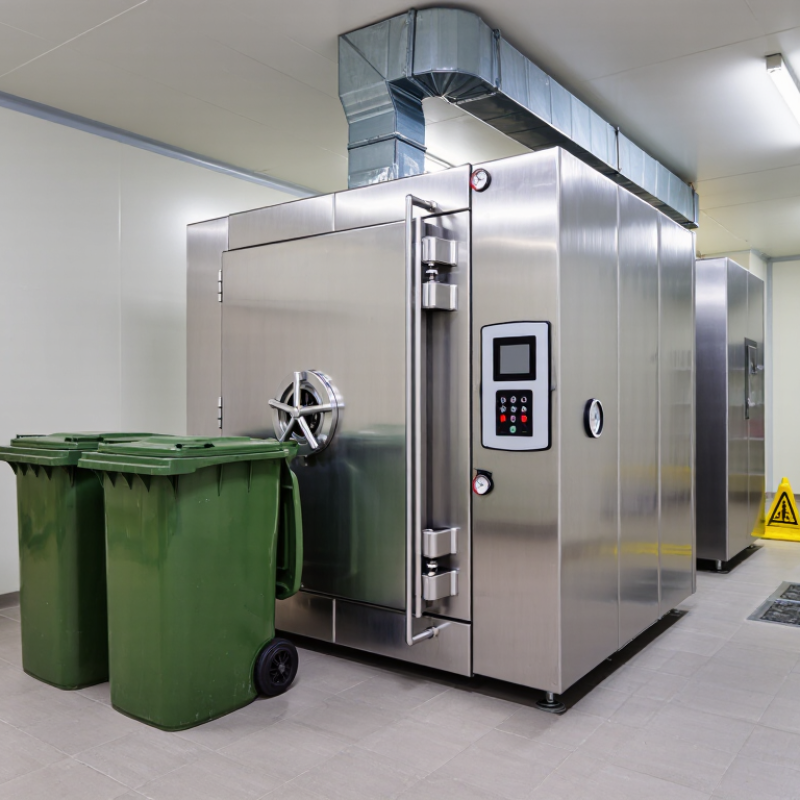
A commercial waste compactor is a heavy-duty machine that compresses business waste into smaller, denser loads. It uses a powered ram to press materials inside a steel chamber. The process reduces loose volume before collection or transfer.
These machines handle cardboard, packaging, general refuse, and similar non-hazardous materials. A grocery back room may feed flattened cartons into a vertical unit. A warehouse may use a larger stationary compactor near its loading dock. The result is fewer overflowing bins and more efficient collection trips.
It is not magic. Compaction does not eliminate waste. It only changes its volume and handling requirements. In daily operation, staff should remove unsuitable materials before loading. Liquids, pressurized containers, and sharp objects can create serious equipment or safety problems. Site procedures must match local waste rules and the machine’s operating manual.
Space matters. A compact unit can fit indoors, while a stationary model usually needs vehicle access and reinforced ground. Noise, power supply, drainage, and clearance also affect placement. From practical site assessments, the best machine is rarely the largest one. An oversized compactor may waste energy and complicate servicing. An undersized unit may cycle constantly during busy periods.
Reliable operation depends on trained staff, visible controls, routine inspections, and documented maintenance. Operators should watch for unusual vibration, hydraulic leaks, or uneven loading. These small warning signs are easy to ignore, but they can reveal developing faults. Performance should be measured through collection frequency, material volume, labor time, and operating cost.
How Commercial Waste Compactors Work
How Commercial Waste Compactors Work
A commercial waste compactor uses a hydraulic system to press loose refuse into a container. Staff load suitable waste into a hopper, close the access door, and activate the controls. A hydraulic pump then moves a ram forward, applying force to compress the material. The ram retracts after the cycle, leaving space for the next load. Simple in principle. In practice, correct loading matters: bulky items can bridge across the hopper, while unsuitable materials may damage equipment or create hazards. Operators should follow the machine’s instructions and never reach into the chamber.
Compaction reduces the volume of waste, not its weight. That distinction affects collection planning: a container may be full by weight before it looks full. The U.S. Environmental Protection Agency’s 2018 Advancing Sustainable Materials Management report estimated that the United States generated 292.4 million tons of municipal solid waste; about 50 percent was landfilled. The report covers municipal solid waste broadly, not only commercial refuse, but it shows why efficient handling deserves attention. A compactor can reduce loose volume and collection frequency, though actual savings depend on waste type, pickup fees, and operating practices. It is not a magic fix. Keep the loading area clear, train users, and inspect the ram, door interlocks, and hydraulic lines regularly. One missed inspection can cost more than a tidy-looking container saves.
Key Types of Waste Compactors for Businesses
Key Types of Waste Compactors for Businesses
Commercial waste compactors vary by waste stream, space, and collection schedule. Stationary compactors suit retail stores, warehouses, and office complexes with dry general waste. They remain fixed while collection vehicles remove the container. Self-contained compactors include the container and compaction unit. They are better for wet waste, food residues, and facilities needing stronger leak control.
Vertical compactors use limited floor space and fit smaller back-of-house areas. Their slower loading cycle may frustrate busy kitchens. Horizontal compactors handle larger volumes and work well near loading docks. Some operations also need balers for cardboard, plastic film, or other recoverable materials. A compactor is not a universal machine.
The scale of the problem matters. The U.S. Environmental Protection Agency reported 292.4 million tons of municipal solid waste in 2018, or about 4.9 pounds per person daily. UNEP’s Global Waste Management Outlook 2024 projects global municipal waste could grow from 2.3 billion tonnes in 2023 to 3.8 billion tonnes by 2050. These figures support higher-capacity equipment, but volume estimates can be imperfect.
Measure waste for at least one week. Record peak days, moisture, loading height, and collection frequency. A larger unit may reduce pickups, yet it can waste space and energy when poorly matched. Safety interlocks, guarded access points, drainage control, and documented operator training deserve equal attention. In practice, the cheapest option often becomes expensive when workers must clear jams or collections arrive too often.
How to Choose the Best Waste Compactor in 2026
Choosing the best waste compactor in 2026 starts with the waste profile, not the machine’s advertised capacity. The World Bank’s What a Waste 2.0 report estimated 2.01 billion tonnes of municipal solid waste in 2016, with growth toward 3.40 billion tonnes by 2050. Businesses face rising disposal pressure, so accurate planning matters.
Measure daily waste volume for at least two weeks. Record cardboard, food waste, packaging, and contamination separately. A retail site producing full 660-litre bins each day may need a different solution from a restaurant with wetter waste. Wet material requires sealed construction, drainage control, and easy cleaning. Cardboard needs a chamber that prevents spring-back and unsafe manual handling. Space matters.
Compare compaction ratio, loading height, cycle time, noise, energy use, and collection frequency. The U.S. Environmental Protection Agency reported 292.4 million tons of municipal solid waste generated in 2018, while only 32.1% was recycled. Better separation can reduce unnecessary compaction and disposal costs. A large machine may look efficient, but it can waste floor space and power when lightly used.
Check emergency stops, guarding, interlocks, operator visibility, and service access. Ask for documented testing, maintenance intervals, and realistic operating costs. Do not rely on a brochure ratio alone. It may reflect ideal material and conditions. A perfect choice is unlikely. Start modestly, measure results, and revise the specification after real use.
2026 Best Commercial Waste Compactor for Businesses
How to Choose the Best Waste Compactor in 2026
Common commercial container sizes include 2, 4, 6, and 8 cubic yards. Choose capacity based on your waste volume, available space, pickup schedule, and the compactor’s compatibility. Actual options vary by equipment and service provider.
Safety, Maintenance, and Operating Costs
A commercial waste compactor can reduce loose waste volume, but safe operation starts before the cycle begins. Keep the loading area dry and clear, and train operators to recognize the machine’s controls and emergency stop. Never reach into the chamber or bypass an interlock to save time. Small shortcuts can create serious hazards. Post clear operating instructions near the controls, and restrict use to trained staff.
Maintenance affects both safety and operating costs. Check doors, guards, hydraulic lines, and warning lights on a routine schedule. A damp patch beneath the unit or a new grinding sound deserves attention; waiting can turn a minor repair into costly downtime. Follow the manufacturer’s service intervals, and keep a simple log of inspections, repairs, and cycle problems. It will not catch everything.
Costs also depend on how the compactor fits daily waste volume. An undersized unit may need frequent cycles, while an oversized one can consume space and energy without enough benefit. Track collection frequency, energy use, and service calls for several weeks. Those figures give a more reliable basis for comparing options than purchase price alone. Check that staff can load materials safely and that collection vehicles can access the site.