INDUSTRIES2023-04-26T19:33:38+00:00

How to Choose the Best Trash Compactor in 2026

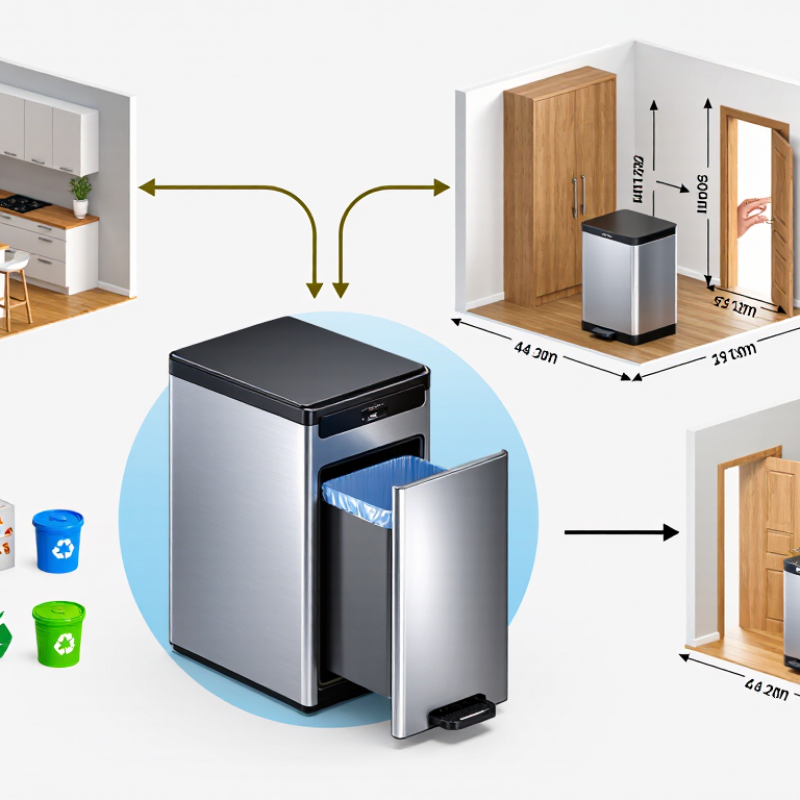
Choosing the best trash compactor in 2026 starts with how your household actually handles waste. A busy kitchen may need a different model from a small apartment or workshop. The Trash Compactor should fit your space, routine, and budget—not just look impressive in a product listing. Before comparing features, measure the available width, depth, and height, including room for the door to open. Small details matter. Check the route for installation, too; a tight hallway can complicate delivery.

Next, compare capacity, compaction force, noise, and operating costs. A larger bin can mean fewer trips outside, but it may take up valuable cabinet space. Built-in models offer a cleaner kitchen appearance, while freestanding units can be easier to place elsewhere. Look for straightforward controls, a removable bag system, and safety features that prevent operation when the door is open. Read the manufacturer’s specifications and care instructions rather than relying on broad claims. Capacity charts can mislead; treat them as a starting point, not a promise. That detail matters. Think about the waste you produce, since bulky packaging and food scraps behave differently. This guide will help you weigh practical trade-offs, understand which features earn their cost, and avoid choosing a model that feels wrong after installation. A little uncertainty is normal: the best fit depends on your room, habits, and tolerance for noise.
How to Choose the Best Trash Compactor in 2026

Understand How Trash Compactors Work and Which Types Are Available

How to Choose the Best Trash Compactor in 2026
Understand How Trash Compactors Work and Which Types Are Available

A trash compactor presses household waste into a smaller bundle inside a lined chamber. An electric ram applies pressure, so bags need replacing less often. Compaction reduces volume, not weight, and it does not make rubbish odor-free. A warm kitchen can still reveal smells quickly.

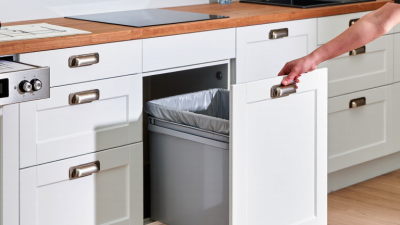
Most home units are built-in or freestanding. Built-in models fit beneath a counter and suit kitchens with a planned cabinet space and nearby power. Freestanding models can be placed elsewhere, but need enough room for the door to open and the container to slide out. Compact units may suit smaller households, though capacity and pressing force vary. Some models have odor filters or controls for starting a cycle. Features can help, but they do not replace checking the chamber size, noise level, and installation requirements. I would measure twice; cabinet dimensions can be surprisingly unforgiving.

Tips: Check the manual before loading a unit. Keep liquids, hot ashes, and items unsuitable for compaction out of the chamber. Leave space for the door, and confirm replacement bags are easy to find. If recycling is part of your routine, keep recyclables separate rather than compressing them with general waste.

How to Choose the Best Trash Compactor in 2026

U.S. Municipal Solid Waste Generated by Material (2018)

Waste type matters when choosing a compactor. Paper and food make up large portions of U.S. municipal solid waste, but the chart shows generation—not the amount that can be compacted in a particular home or machine.

Under-counter and freestanding compactors are common residential options; commercial compactors are designed for larger waste volumes. Check the unit’s instructions for suitable materials, especially for wet food waste, glass, and other heavy items.

Source: U.S. Environmental Protection Agency, 2018 municipal solid waste generation data. Values are million short tons.

Assess Your Household’s Waste Volume, Space, and Installation Needs

Before comparing compactors, track your household’s waste for a week. Count the bags you fill and note what goes in them: bulky packaging takes up more space than food scraps. A week is more useful than guessing. If possible, measure a typical bag or weigh it, but don’t treat one unusually busy week as normal. A compactor reduces waste volume, not its weight, so consider whether you can comfortably move the heavier, compressed bags.

Measure the proposed location, including its depth, width, and height. Then check the full path into the space: doorways, cabinet openings, and nearby corners can block delivery. Leave room for the door or drawer to open and for routine cleaning. It may fit on paper but still feel awkward in a narrow kitchen. Check where the power outlet is, too, and whether the installation instructions require a dedicated connection or particular clearances.

Decide whether a freestanding unit or a model fitted beneath a counter suits your home. Built-in installation can require matching cabinet dimensions and careful leveling; confirm those details before buying. If replacing an old unit, measure the opening rather than relying on its stated size. Also consider noise near bedrooms or shared living areas. Small detail, big difference. Your estimates will not be perfect, especially if household routines change, so leave a little space for variation.

How to Choose the Best Trash Compactor in 2026 - Assess Your Household’s Waste Volume, Space, and Installation Needs
Household Profile Estimated Loose Waste Volume Capacity to Consider Space and Location Check Installation Needs Best Fit
One or two people; modest cooking and packaging waste About 3–5 gallons per day; actual volume depends on shopping, recycling, and cooking habits A standard residential unit with a bin around 1.4–1.8 cubic feet may be sufficient Measure the available width, height, depth, door swing, and route into the kitchen before buying Choose a freestanding model if no cabinet opening is available; confirm that the model has a suitable grounded electrical connection A compact freestanding unit when flexibility matters more than a built-in appearance
Three or four people; regular meal preparation and household packaging About 5–8 gallons per day; separate recyclable and compostable material before estimating A standard residential capacity is often a practical starting point; compare usable bin capacity and opening size Check whether the unit can fit beside cabinetry or inside a suitable cabinet opening without blocking drawers or walkways For an under-counter installation, verify the manufacturer’s required opening dimensions, ventilation, electrical access, and mounting instructions An under-counter model for a planned kitchen installation, or a freestanding model for easier placement
Five or more people; frequent cooking or substantial non-recyclable packaging About 8–12 gallons per day; this is a planning estimate, not a measured household standard Consider a larger usable bin or a compactor with a convenient removable container; capacity alone does not determine emptying frequency Allow room to open the drawer fully and remove the container. Confirm floor space and access to the intended location Check electrical requirements, door or panel clearance, and whether the installation surface can support the appliance A model with easy-access loading and a removable bin, especially where the unit will be used often
Small kitchen, apartment, or limited cabinet space Any volume; available space may be the main constraint Compare exterior dimensions first; a smaller footprint may mean less usable capacity Measure the complete path from the entrance to the installation point, including tight turns and doorway widths Freestanding placement can avoid cabinet alteration, but the appliance still needs an appropriate electrical outlet and safe clearances A freestanding unit only if its footprint, operating clearance, and electrical access work in the chosen location
Kitchen remodel or replacement of an existing built-in unit Use the household’s actual weekly bag count or bin-fill pattern to estimate demand Match usable capacity to the existing routine; do not assume all models have the same bin size Measure the cabinet opening in several places and check the finished floor height, trim, and adjacent doors Follow the installation guide for the exact model. Confirm outlet placement, required clearances, mounting, and any cabinet-front compatibility An under-counter model that fits the verified opening and has installation instructions suited to the remodel
Household that prioritizes quiet operation or shared-wall comfort Estimate the household’s normal waste volume; a quieter unit does not necessarily have greater capacity Choose capacity based on waste volume, then compare published noise information and operating features Consider distance from bedrooms or shared walls, as well as room for drawer movement Install on a stable, level surface and follow the model’s specified electrical and mounting requirements A model with clearly documented sound-reduction features, where available, and a suitable installation location

Planning note: Waste-volume figures are approximate household estimates and can vary substantially. Residential compactor dimensions, usable capacity, electrical requirements, and clearances differ by model. Measure the installation area and confirm all requirements in the product’s current installation instructions before purchase.

Compare Capacity, Compaction Force, Noise, and Energy Use

Choose capacity around your actual waste rhythm, not the largest bin available. The U.S. EPA’s 2018 Advancing Sustainable Materials Management report estimates that Americans generated 4.9 pounds of municipal waste per person daily. That is a broad average, not a household forecast. Track a week of bags, then compare usable bin volume and how often you want to empty it. Capacity labels can be hard to compare.

Compaction force matters, but a higher number does not automatically mean better daily performance. Test claims against the materials you actually discard, such as crushed cans and food packaging, and check whether the mechanism handles uneven loads. Avoid forcing in bulky objects; they may jam the ram. Noise matters. Compare decibel ratings where available, but listen to the unit in a showroom if possible. NIOSH recommends limiting occupational noise exposure to 85 dBA over an eight-hour workday; that is a workplace guideline, not a household comfort rating.

For energy use, look for a stated kWh-per-cycle figure and any standby draw. If figures are missing, ask for them rather than assuming occasional use means negligible consumption. A compatible energy meter can help measure consumption, though some installations require professional testing. I would not overtrust a single efficiency number: cycle frequency and standby time affect the real bill. Small caveat. Compare models using the same load and routine.

Check Safety Features, Maintenance Needs, and Operating Costs

How to Choose the Best Trash Compactor in 2026

Check the safety features before comparing capacity or appearance. A lid or drawer interlock should stop the ram when opened, while a clear control lock can help prevent accidental starts. Look for overload protection and an accessible emergency stop. Keep fingers away from the chamber, even when the unit is switched off; follow the manual’s instructions before clearing a jam. A compacting cycle can be louder than expected, so consider where the appliance will sit, especially near a living area.

Maintenance affects convenience and long-term cost. Check how easily the bin, filter, and interior surfaces can be cleaned, and whether replacement parts are readily available. Crumbs and damp residue can cause odors if they sit too long. Wipe the chamber with a soft cloth as directed, and never pour water into electrical components. Operating costs include electricity, any required bags or filters, and occasional service. Compare the appliance’s rated power and your likely weekly use, but remember that real consumption depends on cycle length and frequency. I would not rely on a single cost estimate; household habits vary.

Tips: Measure the opening and clearance before purchase. Confirm that the controls are easy to reach, but out of children’s reach. Ask how often routine cleaning is needed. Small details matter. A model that is slightly less convenient may end up costing more in time.

Match Your Priorities to a Model and Verify Its Warranty and Support

Choose a compactor around your actual routine, not a showroom’s largest drawer. The U.S. Environmental Protection Agency reported that Americans generated 292.4 million tons of municipal solid waste in 2018, or about 4.9 pounds per person daily. That national figure is context, not a household forecast. Track your own bags for a week: a family that cooks often may value capacity, while a smaller household may care more about quiet operation and odor control. Check whether the unit fits your cabinetry, uses readily available bags, and has a removable bin you can lift comfortably. Small details matter.

Before buying, read the warranty itself. Confirm how long parts and labor are covered, which components have separate terms, and whether installation or service calls are excluded. Ask support how repairs are arranged in your area and whether replacement parts can be ordered after the warranty expires. Keep the answers in writing. A reassuring sales conversation is not a service plan. The Federal Trade Commission’s consumer guidance on warranties advises buyers to review coverage and exclusions before purchase; do the same with the full warranty document. I would also check the manual for cleaning instructions and noise ratings. These checks take time, and I have overlooked them before. That was a mistake.

Go to Top