INDUSTRIES2023-04-26T19:33:38+00:00

How to Choose the Right Industrial Compactor

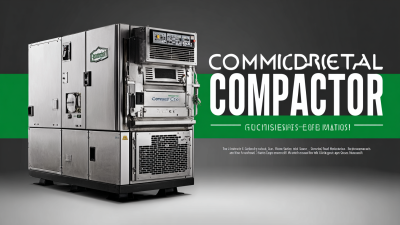
Choosing the right industrial compactor begins with the material, not the machine’s appearance. A tidy specification sheet can mislead. Waste density, moisture, volume, and contamination levels determine real performance. The right Compactor Industrial solution should match your daily waste stream and operating environment.

Dr. George Tchobanoglous, a respected solid-waste engineering authority, states, “There is no universal solution; design must follow local conditions.” This principle remains practical for modern facilities. A retail warehouse may need a vertical compactor for cardboard. A manufacturing plant may require a heavy-duty horizontal unit for bulky production waste. Food-processing sites need careful attention to moisture, corrosion, cleaning access, and odor control.

Measure before buying.

Record peak volumes, container sizes, loading methods, and collection frequency. Check available floor space and electrical requirements. Consider noise, operator visibility, safety interlocks, service access, and expected maintenance. A low purchase price may become expensive when downtime interrupts production. However, the largest model is not automatically the best choice. Oversizing can waste energy, space, and capital.

Reliable selection also requires evidence. Request load ratings, cycle times, warranty terms, service records, and references from comparable facilities. Ask operators how the unit performs after several months, not only during demonstrations. I would also challenge one assumption: maximum compaction is not always the main goal. Consistent uptime, clean handling, and predictable collection costs may matter more. The final decision should balance engineering data with daily experience. That balance creates a safer, more efficient, and defensible Compactor Industrial investment.
How to Choose the Right Industrial Compactor

Define Your Compaction Requirements and Operating Conditions

Choosing an industrial compactor begins with defining the material, not browsing a machine catalogue. Record the material type, moisture level, bulk density, and daily volume. Waste behaves differently from soil, cardboard, plastic film, and metal containers. Measure actual loads during a normal shift. Estimates often miss peak periods. Include target density, floor space, loading height, and acceptable cycle time. Keep material samples. They reveal hidden variation.

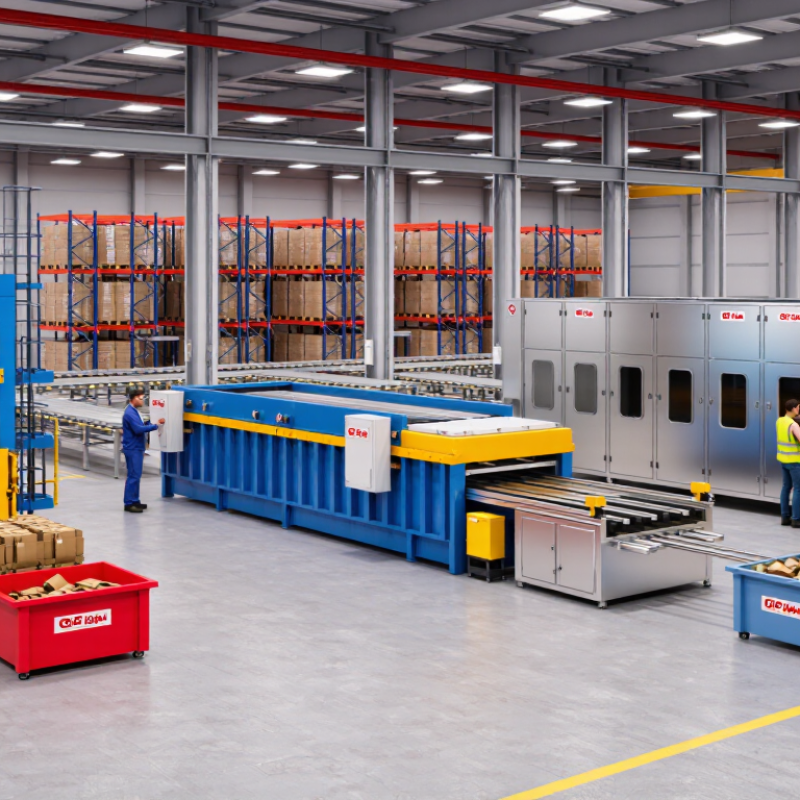
Operating conditions can change the right choice. Check indoor temperature, dust, washdown routines, drainage, and power supply before comparing equipment. A compactor near a loading dock may face rain, cold starts, and uneven floors. A unit in a food-processing area may require easier cleaning and corrosion-resistant surfaces. Consider who will load it. Manual feeding, bins, conveyors, and forklifts create different clearance and safety needs. Noise and vibration matter beside offices or occupied work areas. Leave room for inspection and maintenance.

During evaluation, ask suppliers to demonstrate performance with material similar to yours. Compare fill levels, cycle consistency, energy use, and operator effort. Do not rely on brochure capacity alone. It may reflect ideal material and perfect loading. Review emergency stops, guarding, access points, and service intervals with qualified personnel. Document results after several shifts. One trial can mislead. I have seen compact equipment handle dry packaging well, then struggle when moisture and oversized items entered the stream. Recheck assumptions before committing.

Compare Industrial Compactor Types and Their Core Functions

How to Choose the Right Industrial Compactor

Choosing an industrial compactor starts with material, not machine size. A stationary compactor suits mixed waste collected at a loading dock. It compresses loose material into a denser container load. For clean cardboard, a vertical or horizontal baler creates tied bales for easier storage and recycling. Dry material behaves differently. Drum compactors handle process waste in sealed containers, while roll-off units serve higher-volume sites. Each type solves a different handling problem.

The U.S. Environmental Protection Agency reported 292.4 million tons of municipal solid waste in 2018. That figure explains why density matters across busy facilities. Higher compaction can reduce container changes, but only when container capacity and collection schedules match. The World Bank’s What a Waste 2.0 report estimated 2.01 billion tonnes of solid waste worldwide in 2016. Its data also showed that about one-third was not safely managed. Reliable equipment selection therefore involves containment, access, and operating discipline, not pressure alone.

Measure daily waste volume, material moisture, and peak loading periods before comparing models. Check cycle time, hopper opening, electrical demand, washdown access, and noise exposure. A higher force rating is not automatically better. In practical assessments, specifications can distract from simple access problems. A compactor that blocks forklifts may reduce productivity despite excellent density. Wet waste may also require corrosion-resistant surfaces and controlled drainage. This choice is easy to get wrong. Review service records, operator feedback, and actual container weights before approval. EPA waste data supports the need for efficiency, but site measurements should control the final decision.

Evaluate Capacity, Power, Size, and Material Compatibility

Choosing an industrial compactor starts with the material, not the machine. In field assessments, mixed waste often behaves differently than dry cardboard. Capacity should match daily volume, peak loads, and collection frequency. A small chamber may require constant feeding and increase labor. An oversized unit can waste floor space and energy. Measure the heaviest typical load, not only the average. That detail matters.

Power selection depends on density, moisture, and resistance. A hydraulic system must deliver enough force without overheating during repeated cycles. Ask for tested compression performance under conditions close to your operation. Technical data is useful, but site observation is better. Listen for unusual noise, watch cycle speed, and inspect whether material springs back after pressing. Electrical supply, ventilation, and maintenance access also affect reliable output. A powerful compactor is not automatically the right one. I have seen high-force equipment underperform when operators fed oversized items. That mistake was preventable.

Size should fit the loading route, doorway, ceiling height, and service clearance. Leave room for safe movement around the unit. Material compatibility deserves equal attention. Wet organic waste, abrasive scrap, and corrosive residues may require different chamber linings and seals. Confirm contact materials, drainage needs, and cleaning procedures with the manufacturer’s technical team. Request documented load limits and service intervals. Then compare those records with your actual workflow. Conditions change. Review the choice after a trial period, because real waste rarely matches the worksheet perfectly.

How to Choose the Right Industrial Compactor

The benchmark scores summarize typical industrial compactor profiles on a 0–100 scale. Capacity reflects throughput potential, power reflects the ability to handle dense or difficult loads, size reflects space efficiency, and material compatibility reflects suitability for mixed, wet, bulky, or recyclable materials. Confirm the actual throughput, motor rating, footprint, and permitted materials with the equipment specification before purchasing.

Assess Safety Features, Maintenance Needs, and Operating Costs

Choosing an industrial compactor requires more than comparing purchase prices. Safety features should match the material, loading method, and work environment.

OSHA’s Control of Hazardous Energy guidance identifies lockout/tagout as essential during servicing, where unexpected startup can cause severe injuries. Specify guarded access points, emergency stops, interlocked doors, and clear control panels.

Small details matter. A visible isolation switch can prevent a rushed mistake.

Maintenance needs should be measured before installation. Ask for service intervals, inspection points, hydraulic-fluid requirements, and common replacement parts.

The U.S. Department of Energy’s Operations and Maintenance Best Practices Guide notes that preventive maintenance can reduce equipment downtime and improve reliability.

Keep a simple log for leaks, unusual vibration, slow cycles, and ram alignment. A five-minute inspection may reveal a damaged seal.

Still, maintenance schedules are not perfect; heavy, wet, or abrasive loads can shorten component life.

Operating cost includes electricity or fuel, labor, repairs, downtime, and haulage frequency. A larger compactor may reduce collection trips, but it can increase energy use and require more floor space.

The U.S. Environmental Protection Agency’s Waste Reduction Model shows that transportation distance and waste volume materially affect emissions and cost calculations.

Measure cycle time and container weights for several weeks. Do not guess.

One overlooked factor is operator training. Poor loading habits can cause jams, unsafe interventions, and avoidable service calls, even with well-designed equipment.

Select the Best Compactor and Verify Supplier Support

How to Choose the Right Industrial Compactor

Select the Best Compactor and Verify Supplier Support

Choosing an industrial compactor starts with your actual waste stream, not a catalogue photograph. Record material type, moisture, daily volume, container size, and available floor space. Cardboard, wet packaging, and rigid production scrap behave differently inside a chamber. Ask the supplier to test representative material before discussing final capacity. That test matters.

During site evaluations, I check loading height, access clearance, noise exposure, and cleaning points. A larger compactor is not always better. Excess capacity can increase purchase, energy, and maintenance costs. Request data for cycle time, compaction ratio, power requirements, and expected wear parts. Ask for proof. A clear technical sheet is more useful than impressive sales language.

Supplier support deserves equal attention. Confirm who installs the machine, trains operators, and responds when production stops. Get written response times, spare-parts availability, preventive-maintenance procedures, and warranty boundaries. Reliable suppliers can explain service coverage without vague promises. Request customer references from similar facilities and inspect their service history when possible. I once focused too heavily on output and overlooked cleaning access; that mistake created avoidable downtime. I would now require a site drawing, commissioning checklist, and operator training record before approval. Remote assistance can help, but it cannot replace local technical skill. Some suppliers may resist detailed questions. Treat that hesitation as useful information.

Go to Top