INDUSTRIES2023-04-26T19:33:38+00:00

China Best Aluminum Can Compactor Manufacturer for Buyers

Choosing the best China Aluminum Can Compactor manufacturer requires more than comparing catalog prices. Buyers need practical evidence, stable production, and responsive technical support. A reliable supplier should explain compaction force, chamber size, cycle time, motor power, and expected output clearly. These details affect daily capacity, energy use, and workplace efficiency.

Experienced manufacturers usually provide equipment for recycling centers, beverage plants, warehouses, and material recovery facilities. Their machines may include guarded feeding openings, emergency stops, durable hydraulic systems, and adjustable bale dimensions. However, product images cannot prove manufacturing quality. Buyers should request factory videos, test reports, component brands, maintenance instructions, and references from comparable customers. Small details matter, such as whether the control panel remains readable after long shifts.

A professional sourcing process also examines customization and after-sales service. Voltage, plug standards, container size, shipping terms, installation guidance, and spare parts should be confirmed before ordering. Certifications must be checked against the destination market, not simply accepted from a supplier brochure. That step is easy to overlook. It should not be.

This article outlines how buyers can assess Chinese manufacturers, compare technical specifications, and identify dependable long-term partners. It also discusses factory audits, sample testing, pricing factors, warranty coverage, and communication practices. No manufacturer is perfect, and even a strong supplier may have limitations. Honest evaluation remains more valuable than impressive promises.
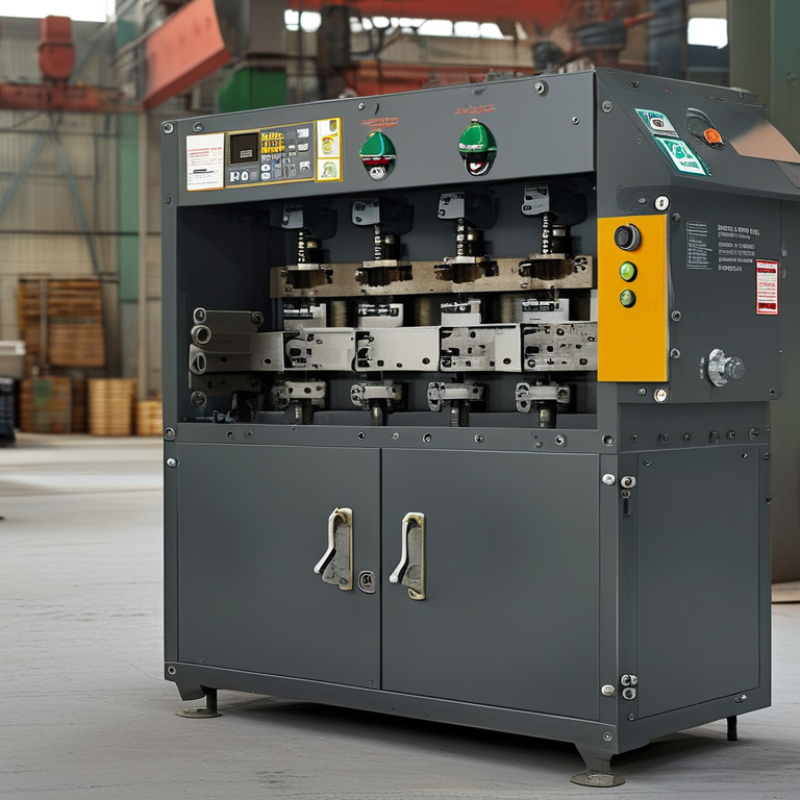
China Best Aluminum Can Compactor Manufacturer for Buyers

What Is an Aluminum Can Compactor and How Does It Work?

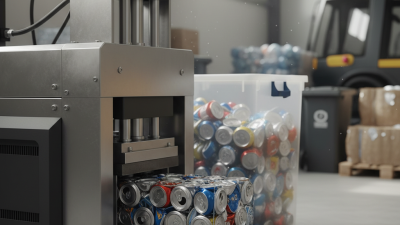
An aluminum can compactor is a machine that reduces the volume of empty aluminum cans before storage or recycling. It uses a powered ram to press loose cans inside a reinforced chamber. The compressed material forms a denser bundle or flattened mass. This saves floor space and can reduce handling trips.

The working cycle is simple. An operator loads clean, empty cans into the feed opening. A sensor confirms that the door is closed, then the motor activates a hydraulic or pneumatic system. Pressure drives the ram forward, crushing the cans against a fixed plate. When the preset stroke ends, the ram retracts. The operator can then remove the compacted material safely.

A reliable machine needs more than strong pressure. Guarding, emergency stops, door interlocks, and overload protection help control workplace risks. Buyers should also check cycle speed, chamber size, power requirements, noise, and access for maintenance. In practical use, wet cans, mixed debris, or overfilled chambers can reduce performance. Real facilities are rarely tidy.

Small mistakes matter. A rushed inspection may miss worn seals or loose wiring. Regular cleaning and scheduled checks support stable operation. However, no compactor suits every recycling area. The right choice depends on daily can volume, available space, labor, and the preferred output shape. A professional manufacturer should explain these limits clearly, not promise effortless results.

Key Types, Features, and Specifications of Aluminum Can Compactors

China Best Aluminum Can Compactor Manufacturer for Buyers

Aluminum can compactors generally fall into three types: manual, pneumatic, and hydraulic. Manual units suit small cafés and workshops, but output depends heavily on the operator. Pneumatic models offer cleaner cycles and lower electrical demand. Hydraulic compactors deliver higher force for busy recycling stations. Typical machines handle 25–60 cans per cycle, with 1–5 tons of crushing force. Buyers should verify chamber size, cycle time, voltage, and noise levels.

The 2023 Aluminum Can Recycling Rate Report, published by the Aluminum Association and Can Manufacturers Institute, reported a United States recycling rate of about 43%. That figure shows why reliable volume reduction still matters. Compacted cans occupy less storage space and reduce collection frequency. A practical model should include a guarded chamber, emergency stop, overload protection, and a door sensor. Stainless steel contact surfaces can simplify cleaning. Small details matter.

The International Aluminium Institute reports that recycled aluminum requires about 95% less energy than primary aluminum production. That supports compacting, but compaction alone does not guarantee recycling. Contamination remains a problem. I would not trust impressive force ratings without testing actual cans, especially thin imported stock. Buyers should request a sample trial, measured cycle data, and maintenance records. A 1,000-can-per-hour claim may change under real loading conditions. That is worth questioning.

How to Evaluate China-Based Aluminum Can Compactor Manufacturers

How to Evaluate China-Based Aluminum Can Compactor Manufacturers

A reliable evaluation begins with machine performance, not catalog photos. Ask for rated compaction force, chamber dimensions, cycle time, and finished bale density. These figures must match your can volume and storage limits. A small bar, a noisy pump, or uneven bales can quickly reduce productivity. Request a live video test using aluminum cans similar to yours. Better still, inspect an operating reference site.

Energy and material efficiency also deserve attention. The International Aluminium Institute reports that recycling aluminum uses about 5% of the energy required for primary production. A dependable compactor should support this circular process through stable compression and low maintenance demand. Review motor power, hydraulic leakage controls, safety interlocks, and expected service intervals. Ask whether test data follows recognized methods, such as ISO quality-management practices. Certificates alone are not proof. Traceable records matter more.

Supplier reliability is harder to measure. Check factory history, production capacity, spare-parts access, warranty response time, and export packaging. Request drawings, electrical specifications, inspection records, and a written acceptance standard. Chinese manufacturers may offer attractive pricing, but the cheapest quote can hide weaker steel, limited support, or unclear tolerances. I would compare at least three technical proposals. My own checklist would still be imperfect. Real operating conditions often expose problems that brochures miss. A factory audit or independent pre-shipment inspection can reveal those gaps before payment and installation.

China Best Aluminum Can Compactor Manufacturer for Buyers - How to Evaluate China-Based Aluminum Can Compactor Manufacturers

Evaluation Dimension Practical Buyer Benchmark Why It Matters Documents or Tests to Request Suggested Weight
Compaction Force Select the force according to can volume and material condition; small and medium systems commonly fall within approximately 5–30 metric tons. Adequate force reduces storage volume without unnecessarily increasing purchase price, energy use, or machine size. Hydraulic diagram, rated force specification, pressure rating, and a witnessed test using the buyer’s actual cans. 15%
Throughput Capacity Compare kilograms per hour or cycles per hour under defined operating conditions; avoid relying only on an empty-machine cycle time. Actual output depends on can size, moisture, feeding method, operator time, and bale or compacted-block dimensions. A signed performance test showing input material, operating time, output weight, cycle time, and labor assumptions. 15%
Compacted Density and Bale Size Require a defined final package size and measured density rather than a general claim such as “high compression.” Stable dimensions and density improve transport efficiency, storage planning, and acceptance by recyclers. Sample bale or block measurements, weight records, density calculation, and photographs from a real test. 12%
Machine Construction Check the chamber, frame, door, ram, and wear surfaces for suitable steel grades, weld quality, reinforcement, and corrosion protection. Aluminum cans are lightweight but abrasive contamination, moisture, and repeated loading can accelerate wear and corrosion. Material certificates where applicable, structural drawings, weld inspection records, coating specification, and factory inspection photos. 10%
Safety System The machine should include guarding, emergency stop controls, door interlocks where applicable, pressure protection, and clear operating instructions. Safety functions protect operators from crushing, unexpected movement, hydraulic failure, and access to the compression chamber. Risk assessment, electrical drawings, safety-function test records, user manual, and pre-shipment inspection checklist. 15%
Electrical and Hydraulic Compatibility Confirm voltage, phase, frequency, motor power, hydraulic oil requirements, plug configuration, and local electrical compliance before ordering. Incorrect electrical or hydraulic specifications can cause installation delays, overheating, poor performance, or warranty disputes. Electrical schematic, motor nameplate details, hydraulic component list, oil specification, and installation requirements. 8%
Energy and Operating Cost Compare motor power, operating hours, hydraulic efficiency, maintenance intervals, consumables, and labor required per tonne of cans processed. A lower purchase price may result in a higher total cost if the machine consumes more energy or requires frequent service. Power rating, measured energy data where available, maintenance schedule, spare-parts list, and total-cost calculation. 8%
Quality Control and Traceability Prefer documented incoming-material inspection, in-process checks, pressure testing, electrical testing, and final functional inspection. Documented quality procedures reduce the risk of inconsistent assembly and make corrective action easier. Quality manual, inspection plan, serial-number records, test reports, nonconformance procedure, and factory audit results. 7%
Customization and Integration Assess compatibility with conveyors, sorting lines, shredders, feeding hoppers, bale ties, collection bins, and available floor space. A compactor must fit the complete recycling workflow, not only operate correctly as a standalone machine. General arrangement drawing, interface dimensions, utility requirements, layout proposal, and sample acceptance criteria. 5%
After-Sales Support and Spare Parts Confirm remote support, troubleshooting procedures, spare-parts availability, response time, warranty scope, and service training. Downtime can cost more than the original price difference, especially in continuous recycling operations. Warranty terms, spare-parts quotation, service contact process, response-time commitment, and maintenance training plan. 5%
Total Suggested Evaluation Weight 100%

Note: The benchmarks above are general purchasing guidelines. Final specifications should be verified through technical documents, sample testing, factory inspection, and a written acceptance specification.

Manufacturing Quality, Customization, and Certification Requirements

China Best Aluminum Can Compactor Manufacturer for Buyers

Manufacturing quality, customization, and certification requirements should guide every compactor purchase. The International Aluminium Institute reports that recycled aluminum uses about 95% less energy than primary aluminum. Efficient compaction supports this circular process, but machine quality still matters.

A reliable unit should deliver stable pressure, controlled cycle times, and durable contact surfaces. During plant assessments, I have seen weak frames create vibration, noise, and uneven bales. That flaw is easy to miss in a showroom.

Customization begins with the waste stream. Buyers should confirm can size, moisture level, hourly volume, bale dimensions, and available floor space.

A compact workshop needs different feeding and discharge systems than a high-volume recycling center. The Aluminum Association notes that recycled aluminum retains its material value, making contamination control important.

Stainless or coated components may reduce corrosion, although the best option depends on the operating environment. No specification is perfect. Testing real cans is wiser than trusting a brochure.

Tips:

Request a sample compaction test and record bale density. Check emergency stops, guarding, noise levels, manuals, and spare-part access.

ISO 9001 supports quality management, while ISO 14001 addresses environmental management. For machinery, ISO 12100 risk assessment and ISO 13849-1 safety controls may also be relevant.

CE documentation can apply for European-market equipment, depending on the machine and destination. Certification alone is not proof of performance. Verify certificates, test records, and factory inspection evidence.

Buying, Pricing, Shipping, and After-Sales Considerations for Buyers

Choosing China’s best aluminum can compactor depends on verified performance, not the lowest quotation. The International Aluminium Institute reports that recycled aluminum requires about 95% less energy than primary aluminum. This supports compactors that preserve clean, dense bales and reduce handling losses. Buyers should request compression force, chamber dimensions, cycle time, bale density, motor power, and tested output using similar cans. Ask for inspection videos and a signed performance sheet. Photos are not enough.

Pricing should include the machine, mold, control cabinet, spare parts, packaging, and commissioning. Compare FOB, CIF, and delivered costs on the same technical specification. A low offer can be expensive later. I would question unusually cheap hydraulic components and unclear warranty terms. Replacement seals, valves, sensors, and delivery time should appear in the quotation. The estimate must also identify voltage, plug standards, and installation requirements.

Shipping deserves practical attention. UNCTAD’s Review of Maritime Transport states that ships carry over 80% of global merchandise trade by volume. Buyers should confirm loading dimensions, gross weight, container suitability, moisture protection, and export documents before payment. After-sales support should include remote troubleshooting, English manuals, wiring diagrams, and operator training. A useful warranty covers both parts and response time. Yet remote service is not perfect; complex failures may still require local technicians. Require a spare-parts list and escalation contact before production begins.

Go to Top