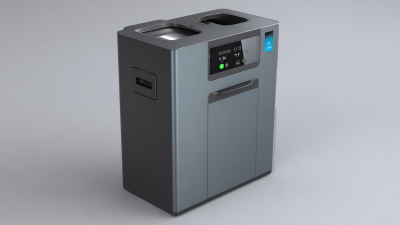
Why Use an Aluminum Can Compactor for Recycling Benefits?
The recycling industry faces significant challenges in managing waste efficiently. An Aluminum Can Compactor provides a practical solution to these challenges. According to the Environmental Protection Agency (EPA), recycling aluminum saves 90% of the energy needed to produce new aluminum. This staggering figure highlights the importance of optimizing recycling processes.
State-of-the-art aluminum can compactors can greatly enhance recycling efforts. They reduce the volume of aluminum waste by up to 80%. This efficiency not only saves space but also minimizes transportation costs. As businesses and individuals become more eco-conscious, investing in an Aluminum Can Compactor becomes essential to promote sustainability.
However, many still overlook the value of compactors. Some may think they are an unnecessary expense, ignoring the long-term savings. Addressing this mindset is critical. Awareness and education about aluminum recycling's environmental benefits are paramount. The Aluminum Can Compactor could play a key role in transforming waste management practices.
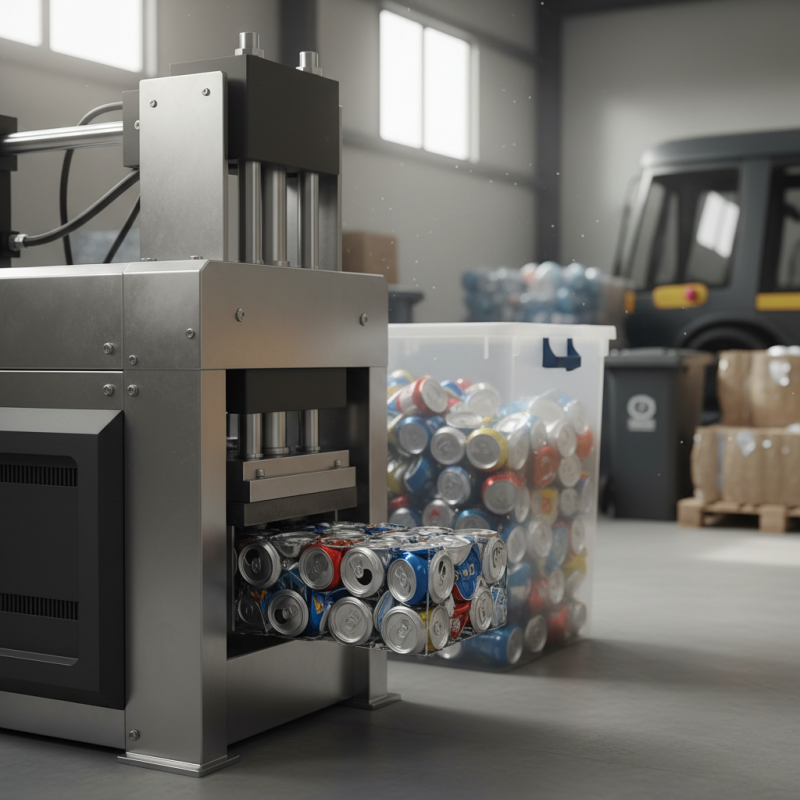
Benefits of Using an Aluminum Can Compactor for Recycling
Using an aluminum can compactor for recycling has numerous advantages. It simplifies the recycling process and saves valuable space. By compacting cans, you can make storage much easier. Instead of dealing with many loose cans, you will have a neat, compact stack.
One major benefit is maximizing your recycling efforts. When cans are compacted, transporting them becomes more efficient. Compressed cans take up less room in your vehicle. This means fewer trips to recycling centers, saving time and fuel. It’s also a small step towards a greener planet.
Tips for using an aluminum can compactor include ensuring it is clean before use. A clean unit operates more effectively. Also, check for any moisture on the cans. Wet cans may stick together, making compaction harder. Consider this careful preparation to ensure optimal results. Enjoy the satisfaction of knowing you are recycling efficiently!
How Aluminum Can Compactors Improve Recycling Efficiency
Aluminum can compactors play a vital role in enhancing recycling efficiency. By reducing the volume of cans, these machines make transportation and storage simpler. This efficiency leads to lower costs and less energy consumption. With fewer trips needed to recycling centers, the overall carbon footprint is reduced.
One tip for maximizing your compactor's use is to ensure cans are clean and free from residue. Dirty cans can contaminate the recycling stream. Contamination can lead to higher processing costs and wasted materials. It’s a small step, but an important one.
Another consideration is the placement of the compactor. Positioning it near high-traffic areas encourages more people to use it. Observing user behaviors can help identify any challenges or improvements needed. Sometimes, the placement may not work as expected, prompting a reevaluation of the strategy. Regular feedback can guide adjustments and improve efficiency even further.
Environmental Impact of Recycling with Can Compactors
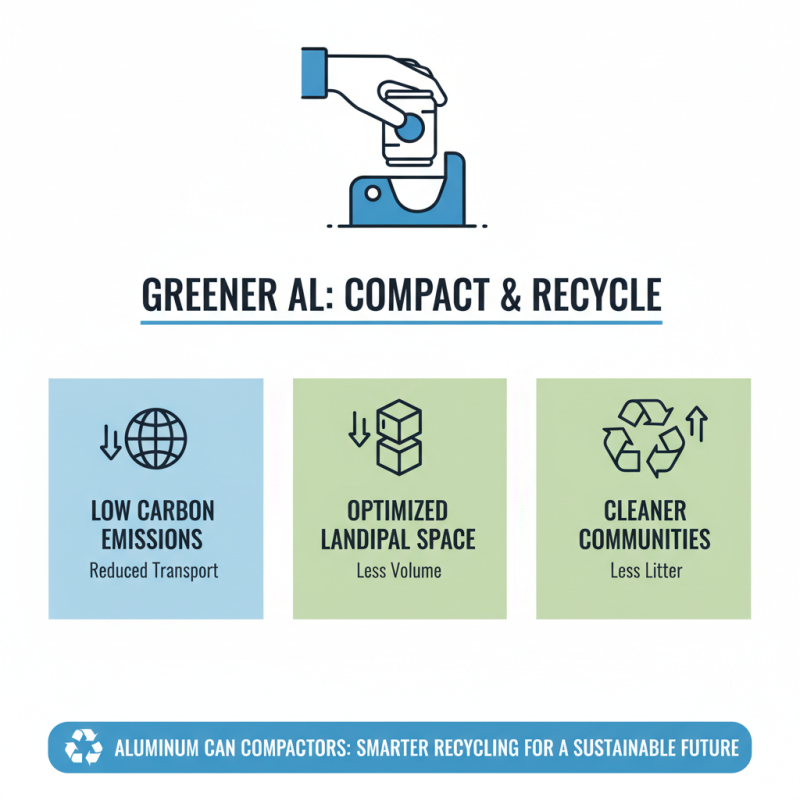
Recycling with aluminum can compactors significantly lowers the environmental impact of waste. These devices compress cans, reducing energy use during transport. The results are minimal carbon emissions and optimized space in landfills. When cans are compacted, the likelihood of them ending up as litter decreases. This proactive approach contributes to cleaner communities.
Tips: Make sure to sort cans properly before using a compactor. This ensures that your recycling efforts are more effective. Remember, not all aluminum products can be recycled. Verify local guidelines to avoid contamination.
Using can compactors also fosters a culture of recycling. By making recycling easier, people engage more. It prompts a shift in mindset toward sustainability and environmental responsibility. However, not everyone uses compactors. Some are still unclear about the benefits. This highlights the need for ongoing education about recycling practices and their importance. Ultimately, compactors play a role in nurturing eco-friendly habits.
Cost Savings Associated with Aluminum Can Compactors in Recycling
An aluminum can compactor can greatly enhance recycling efforts while providing notable cost savings. According to industry reports, the average price for aluminum scrap has been around $0.80 per pound. Compressing cans can increase their density, making transportation more efficient. This can lead to lower shipping costs by up to 20%, as more materials fit into one truckload.
Compacting not only reduces transportation costs but also optimizes processing time. Using compactors can lead to a 30% increase in productivity for recycling facilities. This efficiency allows facilities to handle higher volumes without increasing operational costs significantly.
Tip: Regular maintenance of your compactor is essential. This can prevent downtime and ensure that your machinery runs at peak efficiency.
Cost considerations should include the initial investment in a compactor versus ongoing costs related to waste management. In some areas, recycling facilities that utilize compactors see significant savings, with reductions in landfill fees by over 15%.
Tip: Keep track of aluminum prices. Selling compacted aluminum at the right time can maximize your revenue. While compactors require upfront costs, the long-term benefits can outweigh these initial expenses and contribute to a more sustainable operation.
Selecting the Right Aluminum Can Compactor for Your Needs
When selecting the right aluminum can compactor, consider your recycling goals. Think about how much space you have. A compact model may fit better if you're short on room. Larger models can crush more cans at once, but they need more space.
Check the crushing capacity as well. Some compactors flatten one can at a time. Others can do several, which might save you effort. Look at the power source too. Manual levers are great for smaller workloads. Electric compactors offer convenience for larger amounts.
Consider the budget as well. An expensive model may offer features you don't need. Sometimes, a simple compactor works just fine. Think about materials, too. A durable design means it can withstand daily use. You want a reliable tool that won't break easily. Balancing all these factors will lead to better recycling practices.