Why Is a Water Quality Monitor Important for Global Buyers?
For global buyers, water quality is not an abstract environmental concern. It affects public health, industrial output, agricultural reliability, and supplier credibility. A Water Quality Monitor turns invisible changes into usable evidence. It can track parameters such as pH, turbidity, temperature, conductivity, dissolved oxygen, and selected contaminants. These readings help buyers compare suppliers with greater confidence.
Dr. Peter Gleick, co-founder of the Pacific Institute and a respected water expert, has stated, “Water is a human right, not a commodity.” His view highlights why monitoring should support responsible decisions, not merely commercial efficiency. In practical procurement, buyers should examine sensor accuracy, calibration records, detection limits, data storage, warranty terms, and local technical support. A device that performs well in a laboratory may struggle in muddy water, extreme temperatures, or unstable power conditions. Field reality matters.
No monitor is perfect. That matters. Readings can drift, batteries can fail, and poor sampling can distort reliable equipment. Global buyers should therefore request test reports, maintenance procedures, and clear explanations of measurement uncertainty. They should also check whether the monitor suits local water conditions and recognized quality requirements. A lower purchase price may become expensive after repeated recalibration or replacement. Still, technology alone cannot guarantee safe water. Human judgment remains essential. The strongest buying decision combines verified data, expert review, transparent documentation, and realistic expectations. That approach builds trust across borders and supports safer, more accountable water management.
What Is a Water Quality Monitor?
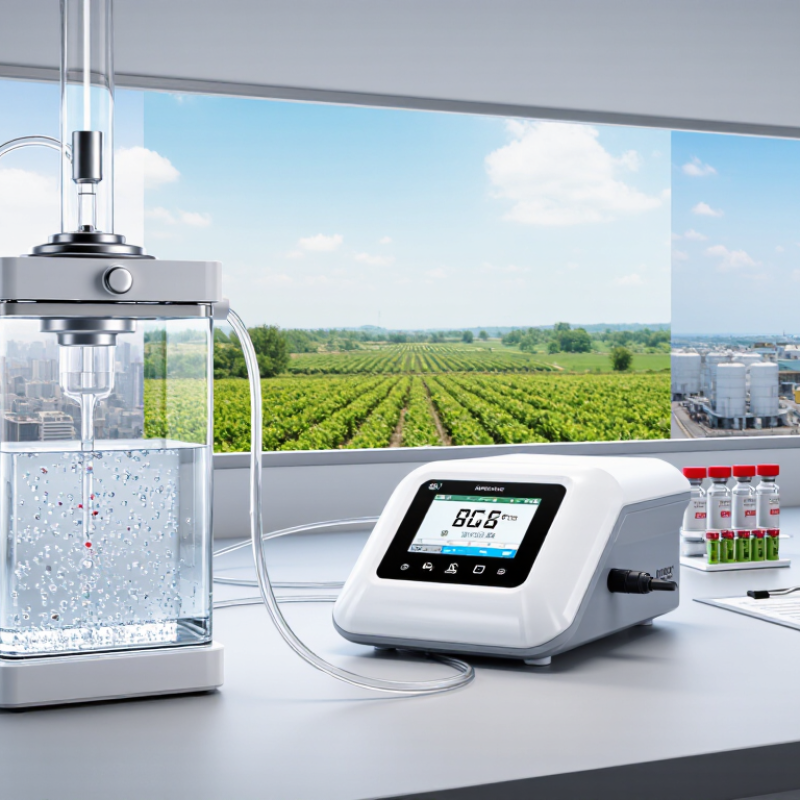
A water quality monitor is an electronic device that measures conditions in water. It commonly uses sensors to detect pH, temperature, dissolved oxygen, conductivity, turbidity, or chlorine levels. Some advanced instruments also record oxidation-reduction potential and selected nutrients. The readings appear on a screen, mobile application, or connected data system. In practical use, a monitor turns an invisible change into a number that operators can inspect. Not a magic box.
In a treatment facility, workers may check a sample beside a tank, compare readings, and adjust operations carefully. During field inspections, portable monitors help identify changes between an inlet, storage area, and discharge point. Reliable instruments need regular calibration with suitable reference solutions. Sensors can drift after exposure to mud, chemicals, or extreme temperatures. Small errors matter. A clear manual, durable housing, replaceable probes, and stable data storage are important purchasing details. Even experienced operators can misread a value when the sample is poorly mixed.
For global buyers, the monitor should match the water source and working environment. A coastal site may require stronger protection against corrosion, while a remote project may need long battery life and offline recording. Buyers should check measurement ranges, accuracy claims, operating temperature, connection options, and technical support. Data formats also deserve attention when teams work across different countries. A cheaper unit may appear efficient, yet unavailable spare parts can create costly delays. No monitor measures every risk, and results still require professional judgment.
How Water Quality Monitors Detect Key Contaminants
Why Is a Water Quality Monitor Important for Global Buyers?
How Water Quality Monitors Detect Key Contaminants
Water quality monitors use sensors, probes, and chemical tests to identify changes in water conditions. A pH sensor measures acidity, while conductivity can indicate dissolved salts, minerals, or unexpected chemical residues. Turbidity sensors shine light through a sample and measure suspended particles. Cloudy water is a warning, not a diagnosis.
Some monitors detect specific substances through reagent-based or electrochemical methods. Nitrate sensors can help assess fertilizer-related pollution. Chlorine tests measure disinfectant levels in treated water. Certain advanced systems screen for metals such as lead through selective electrodes or test strips. These tools support quick decisions at treatment sites, factories, farms, and commercial buildings.
Accuracy depends on calibration, temperature, sample handling, and sensor condition. A dirty probe may produce a convincing but incorrect reading. That is easy to overlook. Experienced operators compare results with certified laboratory analysis, especially when drinking water safety is involved. Buyers should review detection limits, response time, operating temperature, maintenance needs, and data records before purchasing. Different regions may also require different testing standards. A monitor can reveal a problem quickly, but it may not identify every contaminant. That limitation deserves attention.
Why Water Quality Monitoring Matters for Global Buyers
Water quality monitoring matters for global buyers because water conditions change across suppliers, seasons, and transport routes.
According to the WHO/UNICEF Joint Monitoring Programme, 2.2 billion people lacked safely managed drinking water in 2022. This figure shows why supplier declarations alone are not enough. A clear sample from a production outlet may not represent water inside a storage tank. Buyers should check pH, turbidity, conductivity, microbial indicators, and relevant metals. Testing frequency should reflect local risks and intended use.
Reliable monitoring also strengthens technical purchasing decisions. Professional sampling should follow recognized procedures, such as ISO 5667, with documented locations, times, and chain-of-custody records. Calibration matters too. A drifting sensor can make clean water look acceptable. The UN World Water Development Report 2024 notes that agriculture accounts for about 70% of global freshwater withdrawals, increasing pressure on shared water sources. Global buyers should therefore request trend data, not only one favorable report.
Some buyers overtrust dashboards. That is a real weakness. Digital readings cannot replace laboratory confirmation when contamination is suspected. Field teams should compare online data with periodic independent tests and investigate sudden changes. A practical record might show rising turbidity after heavy rain, followed by a controlled response. Monitoring is useful, but interpretation still requires trained people, transparent methods, and a willingness to question convenient results.
How to Evaluate Water Quality Monitors for Different Markets
A water quality monitor matters because buyers rarely test identical water. Municipal supplies, aquaculture ponds, wells, and industrial sources create different measurement demands. A practical evaluation begins with the water itself. Identify the target parameters, such as pH, turbidity, conductivity, temperature, or dissolved oxygen. Do not pay for sensors your users will never need.
Market conditions also shape the purchase decision. Check whether the monitor supports local measurement units, language settings, power standards, and data privacy expectations. Confirm relevant testing methods and certification requirements before comparing specifications. A rugged IP-rated enclosure may suit humid coastal sites, while a compact design may work better for household inspections. Start with the environment.
Accuracy claims require evidence. Request calibration procedures, test reports, detection limits, and repeatability data under realistic temperatures. Ask how often sensors need cleaning or replacement. A clear interface helps, but reliable readings matter more than attractive screens. Data logging, wireless access, and exportable records can support audits and remote service. However, connectivity may fail in rural markets. Offline storage is not a luxury there.
Field experience often reveals overlooked costs. A cheap monitor can become expensive when replacement probes arrive slowly or technicians lack training. Evaluate spare-part availability, warranty terms, manuals, and regional technical support. Test several units with the same water sample, then compare results against a trusted laboratory method. Results may differ slightly. That difference deserves investigation, not excuses. No device is perfect. Buyers should document those limits and match them honestly to each market.
What Standards and Features Should Buyers Check?
For global buyers, a water quality monitor must match the testing environment, not just the product brochure. In field inspections, I look for clear measurement ranges, resolution, and stated accuracy for pH, temperature, conductivity, turbidity, dissolved oxygen, or other required indicators. A pH reading of 7.2 is useful only when its calibration method is documented. Check whether calibration uses traceable reference solutions. Suppliers should provide certificates, manuals, and maintenance intervals. Standards differ across countries and industries, so compare results with local drinking-water, aquaculture, industrial, or environmental requirements.
Practical design matters during daily sampling. Choose probes with replaceable sensors, stable connectors, and protection against water and dust. An IP rating helps, but it does not prove chemical resistance or long-term reliability. Ask about operating temperature, battery duration, data storage, time stamps, and export formats. A monitor beside a treatment tank may need alarms, while laboratory work may require USB transfer and audit trails. Wireless functions are convenient. They can also fail in metal rooms or remote sites.
Independent validation deserves attention. Request test reports, calibration records, uncertainty data, and controlled comparisons with laboratory methods. Do not accept “high accuracy” without test conditions. That claim is too vague. Check response time and drift after repeated use. I have seen clean readings change after a dirty probe was rinsed too quickly; the operator caused the error. Buyers should inspect warranty terms, spare-part access, software support, and training. A lower purchase price may become expensive when one missing probe stops an inspection.