Why Choose 3 Stage Telescopic Hydraulic Cylinder Factories?
In the realm of hydraulic machinery, the choice of a manufacturer can significantly impact performance. 3 Stage Telescopic Hydraulic Cylinder Factories stand out for their unique design and functionality. These factories specialize in creating cylinders that offer exceptional extension capabilities. Their three-stage design allows for more compact storage and efficient hydraulic performance, making them popular in various industries.
Understanding the advantages of working with specialized factories is crucial. These facilities often possess extensive expertise in hydraulic technology. They prioritize quality and reliability, ensuring that their products meet strict industry standards. Many factories implement rigorous testing protocols, highlighting their commitment to excellence. However, not all factories maintain the same level of quality control, which can lead to inconsistencies.
Investing time in research is essential when selecting a 3 Stage Telescopic Hydraulic Cylinder Factory. Look for factories with solid reputations and customer testimonials. Assessing their experience and expertise can guide you toward making informed decisions. It's important to ask questions and seek clarity on their manufacturing processes. Making an optimal choice can enhance operational efficiency and ensure long-term success.
Understanding the Basics of 3 Stage Telescopic Hydraulic Cylinders
3 Stage Telescopic Hydraulic Cylinders are vital in many industries. These cylinders offer extended reach and compact storage. They are commonly used in construction, transport, and manufacturing. Understanding their structure is crucial.
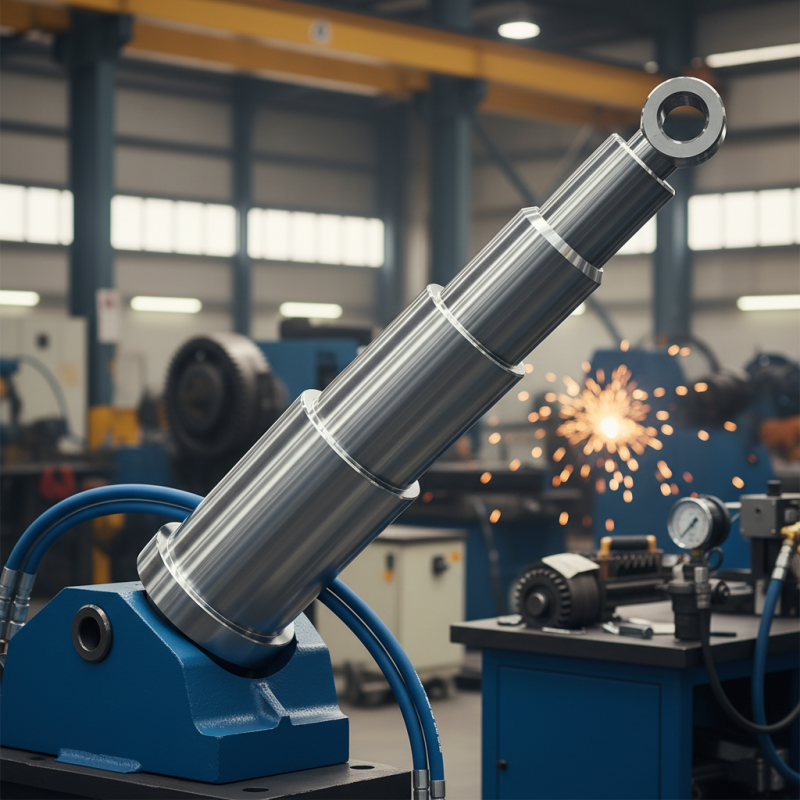
The core design consists of three stages. Each stage functions as a smaller cylinder nested within a larger one. When activated, they extend in sequence, increasing length without taking up much space. This design allows heavy loads to be lifted vertically. However, failure in one stage can compromise the entire system. Regular maintenance is necessary to ensure reliability.
Choosing a factory for these cylinders requires careful consideration. Look for manufacturers with expertise. Their knowledge can significantly impact quality. Quality control practices are essential. Each cylinder should meet safety standards. A robust testing process prevents issues later. Ensure the factory has a track record in producing reliable hydraulic systems.
Why Choose 3 Stage Telescopic Hydraulic Cylinder Factories? - Understanding the Basics of 3 Stage Telescopic Hydraulic Cylinders
| Feature | Benefit | Application | Dimensions (mm) | Maximum Load (kg) |
| High Stroke Ratio | Increased lifting capability in compact spaces | Construction Equipment | 250 x 130 x 6000 | 8000 |
| Durability | Long lifespan under heavy use | Mining Equipment | 300 x 150 x 5000 | 10000 |
| Smooth Operation | Reduced wear and tear, lower maintenance costs | Agricultural Equipment | 200 x 100 x 4000 | 6000 |
| Customizable | Tailored solutions for specific needs | Marine Equipment | 400 x 200 x 7000 | 12000 |
Advantages of Choosing Specialized Factories for Hydraulic Cylinders
Choosing specialized factories for three-stage telescopic hydraulic cylinders offers numerous advantages. These factories focus specifically on hydraulic technology, providing expertise not found in general manufacturers. Their specialized knowledge allows for better design and engineering of cylinders. This means increased efficiency and performance in critical applications.
Moreover, these factories often employ advanced manufacturing techniques. They have access to high-quality materials and the latest technology. Such investments lead to superior durability and reliability of the cylinders produced. Additionally, specialized factories often implement stringent quality control measures. This ensures every cylinder meets industry standards and customer requirements.
However, not all specialized factories are equal. Some may lack sufficient experience or may not keep up with technological advancements. It's crucial to conduct thorough research before selecting a factory. Look for customer testimonials and case studies to gauge their reliability. This step can reveal potential shortcomings or areas that need improvement. A deeper examination of their production processes can help ensure you make an informed decision.
Key Features of High-Quality Telescopic Hydraulic Cylinders
When considering 3 stage telescopic hydraulic cylinders, quality is paramount. High-quality cylinders offer durability and efficiency. They are designed to withstand heavy loads and harsh conditions. The materials used are crucial. Typically, strong steel and corrosion-resistant coatings are preferred. This ensures longevity even in challenging environments.
Precision engineering is another key feature. High-quality cylinders are manufactured with tight tolerances. This results in smoother operations and increased reliability. Good hydraulic seals also play a vital role. They prevent leaks and minimize maintenance needs. However, some factories might cut corners in this area. It’s essential to check specifications before making a decision.
Lastly, adaptability is important for these cylinders. Many industries require custom sizes and configurations. A reputable factory should offer flexible solutions. It’s common to find discrepancies in customization options. Not every factory responds well to unique requests. Thorough research and communication can help find the right manufacturer. Investing effort in this process can lead to better outcomes.
Impact of Quality Manufacturing on Cylinder Performance and Durability
When choosing a 3-stage telescopic hydraulic cylinder factory, quality manufacturing plays a crucial role. The performance and durability of these cylinders depend largely on the materials used and the precision of the manufacturing process. Factories that prioritize quality often invest in advanced technology. This results in cylinders that provide better efficiency and longer life spans under heavy loads.
The impact of manufacturing quality cannot be overstated. Poor materials lead to corrosion and failure, which can be costly. Minor design flaws may seem insignificant at first, but they often culminate in major issues. Hydraulic systems require reliability. A factory that emphasizes strict quality control can ensure that your hydraulic cylinders meet or exceed ISO standards, which boosts safety and performance.
Tips: Always inquire about the materials used. Compliance with industry standards is essential. Regular maintenance can also extend the lifespan of hydraulic cylinders. Additionally, don't overlook the importance of the manufacturer's reputation. A trusted factory typically yields better components, preventing issues down the line. Quality is not just an option—it's a necessity in hydraulic applications.
Cost-Effectiveness of Sourcing from 3 Stage Hydraulic Cylinder Factories
Sourcing from 3 Stage Telescopic Hydraulic Cylinder factories offers significant cost advantages. According to an industry report, sourcing components directly from specialized manufacturers can reduce costs by up to 30%. Companies benefit from lower production expenses and material costs. This savings translates into cheaper end products, allowing businesses to compete better in their markets.
Quality remains a critical aspect of hydraulic cylinders. A study indicates that 75% of manufacturers prioritize sourcing high-quality materials. However, some factories may compromise on quality to cut costs. It's vital to assess supplier reliability. Requesting data on their previous projects and customer feedback can provide insights into their quality and consistency. Seeking certifications can further bolster confidence in their manufacturing processes.
While cost-effectiveness is appealing, overlooking supplier assessments may lead to future dilemmas. A lack of due diligence might result in receiving subpar products that affect performance. Emphasizing on data-driven decisions can enhance reliability and mitigate risks. Manufacturers must balance cost savings with quality assurance to secure successful projects.