What is a Water Level Controller and How Does It Work?
Water Level Controllers (WLCs) are essential in water management systems across various industries. These devices monitor water levels and automate pump operations, ensuring efficient water usage. According to a report by Market Research Future, the global water level controller market is expected to reach $2.5 billion by 2026, driven by urbanization and smart water management needs.
Expert John Smith, a leading authority in water management technology, states, "A reliable water level controller can save both water and energy resources." His insight highlights the importance of these devices in sustainable practices. The efficiency of WLCs can greatly reduce waste, reflecting a critical shift in how industries approach resource management.
Despite advancements, some challenges remain in the WLC market. Not all systems are foolproof; improper installation or maintenance can lead to failures. It is crucial for companies to invest in quality control and regular checks. A robust water level controller can make a significant difference, yet reliance on technology should be balanced with human oversight to mitigate risks effectively.
Definition of a Water Level Controller and Its Purpose
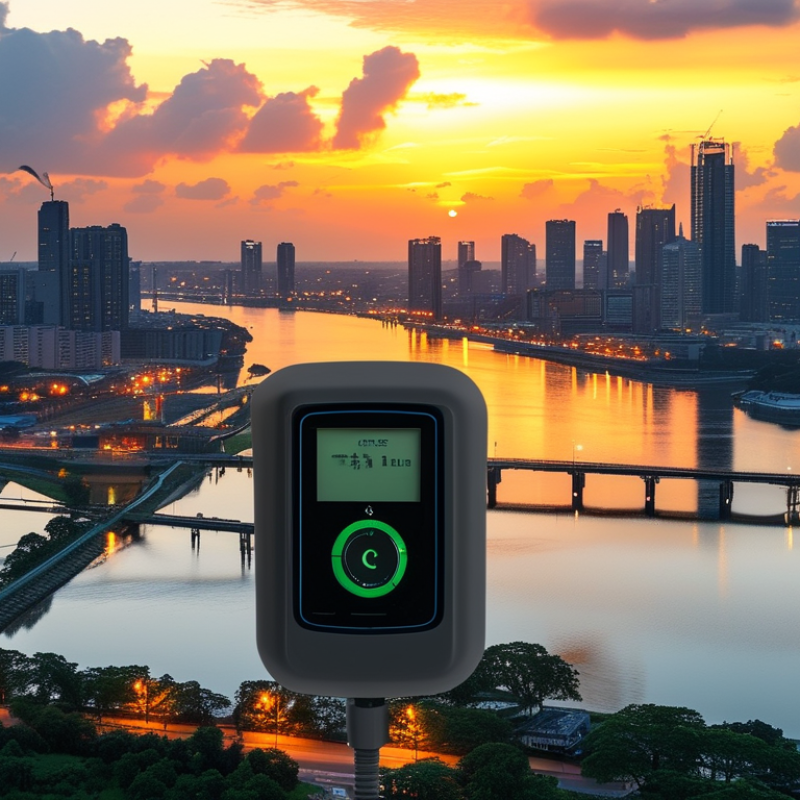
A water level controller is a device that automatically manages the water levels in tanks or reservoirs. It has sensors that detect the water level and a control system that regulates water inflow and outflow. This device is essential for preventing overflow and dry running in pumps. Its main purpose is to maintain optimal water levels, reducing waste and ensuring a steady water supply.
Using a water level controller brings multiple benefits. It promotes efficiency by saving water. It also minimizes the risk of system failures caused by excessive water pressure or inadequate levels. Many homes and industries use these controllers for irrigation, aquariums, and water storage systems. Keeping water at the right level protects equipment and ensures smooth operations.
Tips: Regular maintenance is crucial. Inspect sensors and connections frequently. Malfunctioning sensors can lead to issues. It's helpful to have a backup system in case of failure. Understanding your specific needs will help select the right controller. Always consider both the size of your tank and the typical water usage to ensure optimal performance.
How Water Level Controllers Function: Key Components Explained
Water level controllers are essential devices in various applications. They automatically monitor and manage water levels in tanks, reservoirs, and other storage systems. Understanding their function requires knowledge of key components.
One primary element is the sensor. It detects water levels and sends signals to the controller. The controller processes these signals. Another critical component is the pump system. When the water level is low, the controller activates the pump to fill the tank. If the water level rises too high, the controller will stop the pump to prevent overflow.
Switches are also vital. They can be either float or pressure switches. Float switches trigger the pump based on buoyancy changes. Pressure switches respond to changes in water pressure. Each component must work harmoniously to ensure efficiency. A malfunction in any part can lead to water wastage or damage.
Even with advanced technology, challenges may arise. Environmental factors can affect sensor accuracy. Regular maintenance is necessary to ensure reliable performance. Understanding these components allows for better use and troubleshooting of water level controllers.
Types of Water Level Controllers: Mechanical vs. Electronic
Water level controllers are essential in managing water levels in tanks and reservoirs. They come in two main types: mechanical and electronic. Each has unique features, benefits, and drawbacks.
Mechanical water level controllers, like floats and valves, operate based on buoyancy. When the water level drops, a float mechanism triggers a valve to let water in. They are simple and cost-effective but can be less accurate. Their reliability can wane over time, especially in muddy or dirty water. According to a report by the Water Research Foundation, mechanical systems may face malfunction rates of up to 30% over five years under certain conditions.
In contrast, electronic water level controllers use sensors to monitor water levels accurately. They can provide real-time feedback and adjust water inflow automatically. While these systems can be more complex and costly, they often offer better precision. Research indicates they reduce water wastage by up to 50% compared to mechanical systems. Yet, electronic controllers require power and may fail during outages.
Tip: Always assess the installation environment. If the water source is prone to debris, a mechanical system might malfunction faster.
Tip: Consider your budget. While electronic controllers are more efficient, the initial investment must align with your long-term water management goals.
Applications of Water Level Controllers in Various Industries
Water level controllers are essential in numerous industries, ensuring optimal water management. They are widely used in agricultural irrigation systems, where maintaining precise water levels in reservoirs is crucial. By automating water flow, these controllers help farmers manage resources effectively, reducing water waste. In industrial applications, such as cooling systems, they prevent overflow and maintain necessary water levels for processes.
In residential settings, water level controllers play a significant role in sump pumps and aquariums. They regulate water levels, ensuring fish or plants thrive in stable conditions. However, they can sometimes malfunction. Proper installation and regular maintenance are vital to avoid issues.
**Tip:** Regularly check sensors for dirt or corrosion. Clean them to ensure accuracy and prolong the device's life.
Another notable application is in municipal water supply systems. These controllers monitor and adjust levels in water tanks, helping to supply homes efficiently. They also help conserve energy by limiting unnecessary pumping. Though highly reliable, human errors in programming can lead to improper functioning.
**Tip:** Always double-check settings after installation. Small mistakes can cause significant issues later.
What is a Water Level Controller and How Does It Work? - Applications of Water Level Controllers in Various Industries
| Industry | Application | Benefits | Technology Used |
| Agriculture | Irrigation Systems | Efficiency in water usage, reduces wastage | Ultrasonic sensors, float switches |
| Industrial | Cooling Systems | Maintains optimal temperature, prevents overheating | Pressure sensors, level probes |
| Residential | Water Tanks | Automated management of water levels | Float switches, electronic controllers |
| Hospitality | Swimming Pools | Consistent water quality and level control | Smart controllers, automatic sensors |
| Manufacturing | Process Water Management | Improved workflow, reduced downtime | Capacitive sensors, digital displays |
Advantages of Using Water Level Controllers for Water Management
Water level controllers are vital for effective water management. They regulate water levels in tanks, preventing overflow and minimizing wastage. According to a report by the International Water Association, up to 40% of the world's water supply is wasted due to poor management. Implementing a water level controller can significantly reduce this wastage.
One major advantage is cost savings. By automating the filling process, businesses and households can lower their water bills. A study by Global Water Intelligence indicates that organizations using these controllers save an average of 30% on water costs annually. Moreover, these systems reduce the risk of water damage caused by overflowing tanks, thereby protecting property and assets.
Tip: Regular maintenance of your water level controller ensures optimal performance. Check for any signs of wear, as neglected equipment may lead to system failures.
Automated systems can also contribute to sustainability efforts. Reducing water waste aligns with global initiatives to conserve resources. However, the initial installation costs can be a concern for some. It’s essential to weigh these costs against potential savings and environmental benefits over time.
Tip: Research various types of controllers to find one that best fits your needs and budget. Properly evaluating your options can help you make a more informed decision.