Top Transformer Substation Solutions for 2026 Global Buyers?
As the global demand for reliable and efficient energy solutions grows, the role of Transformer Substations has become increasingly critical. According to the International Energy Agency, global electricity demand is expected to rise by 30% by 2030. This surge requires innovative infrastructure to ensure sustainable energy delivery. Transformer Substations play a vital role in energy distribution and management. They enhance grid stability and improve efficiency, reducing energy loss.
In the fast-evolving landscape of energy solutions, buyers must be aware of the latest advancements. Reports by industry leaders indicate a significant shift towards smart transformer technology. These new systems allow for real-time data monitoring and advanced fault detection. However, the transition to these technologies poses challenges, including cost and integration with existing systems.
The future for Transformer Substations is both promising and complex. Buyers need to evaluate solutions not only based on current needs but also future scalability. Reliable data and expert insights are essential for guiding investments in this sector. As we consider the best Transformer Substation solutions for the global market in 2026, we must balance innovation with practicality.
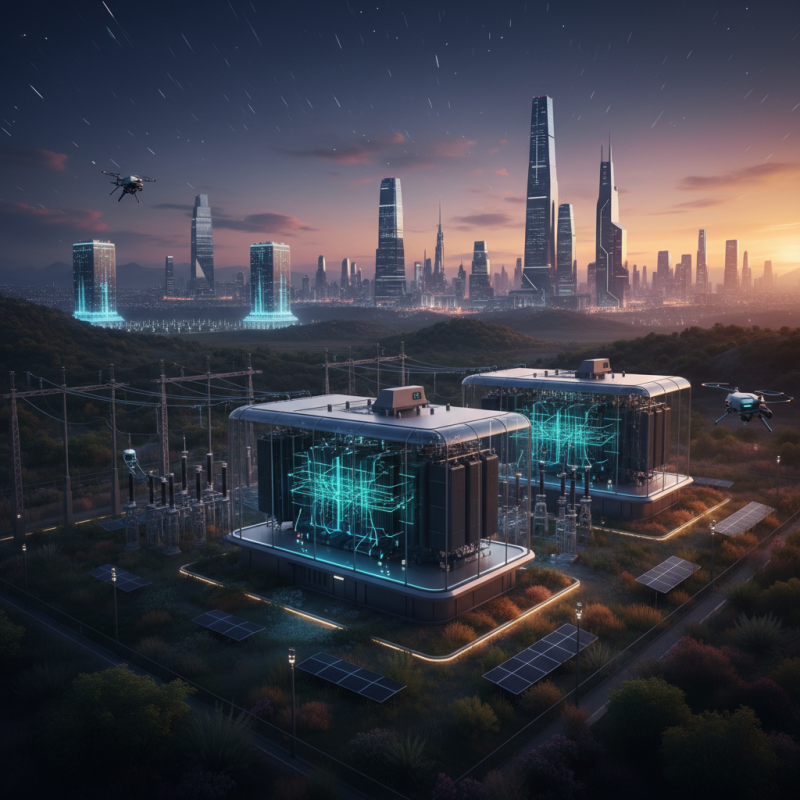
Key Trends in Transformer Substation Design for 2026
The design of transformer substations is evolving rapidly as we approach 2026. With the global demand for energy increasing, engineers face the challenge of optimizing efficiency while reducing environmental impacts. Reports indicate that by 2025, the global transformer market is expected to grow by 5.8% annually, underlining the urgency for innovative designs.
One key trend in transformer substation design is the integration of digital technology. Smart grid systems utilize data analytics for enhanced performance. Devices communicate in real-time, predicting maintenance needs and improving operational efficiency. According to a recent study, smart substations can reduce operational costs by up to 25%. This is significant, considering that traditional substations often incur high maintenance expenditures.
Another vital shift is the shift towards renewable energy sources. Substations now need to accommodate distributed generation. Solar and wind energy sources are becoming common. Reports show that renewable energy could reach 50% of the mix by 2030 in many countries. This presents a complex design challenge. Engineers must ensure that substations can manage varying energy flows efficiently. Balancing reliability and innovation will be crucial for the industry's future.
Innovative Technologies Enhancing Efficiency in Transformer Substations
In the evolving landscape of transformer substations, innovative technologies are pivotal in enhancing efficiency. According to a recent report by the International Energy Agency, electrical efficiency in substations can exceed 98% with the integration of smart grid technology. This advancement minimizes energy loss during transmission and significantly reduces operational costs. Many facilities are exploring digital twins, a technology that allows real-time simulation and monitoring. This leads to predictive maintenance, optimizing uptime by up to 20%.
Transformers themselves are becoming smarter. Advanced monitoring systems employ sensors that provide real-time data on performance. This shift towards IoT-enabled devices can lead to better asset management. However, challenges remain. The complexity of integrating old infrastructure with new technologies can hinder efficiency gains. The balance between innovation and adaptation is crucial.
Moreover, cybersecurity presents a significant concern. As substations become more interconnected, the risk of cyber threats increases. In a study by the Electric Power Research Institute, nearly 60% of substations reported difficulties in securing their systems effectively. Addressing these vulnerabilities is necessary. Despite these challenges, the pursuit of enhanced efficiency continues to reshape transformer substations, showing promise for the future.
Sustainability Practices in Transformer Substation Solutions
As the global demand for energy continues to rise, transformer substations are evolving to meet the challenge. Sustainable practices in these systems are becoming more crucial. By 2026, it's projected that over 30% of transformer substations worldwide will implement advanced eco-friendly technologies. This trend is supported by a report from the International Energy Agency, stating that sustainable energy solutions could reduce carbon emissions by up to 40% in the next decade.
Adopting renewable energy sources is one key strategy. Solar-powered transformers and grid-tied wind systems are on the rise, minimizing reliance on fossil fuels. A recent study revealed that integrating renewable options can enhance the efficiency of substations by 20%. However, challenges remain. Many facilities struggle with high initial costs and regulatory hurdles. The importance of finding cost-effective, scalable solutions cannot be overstated.
In addressing sustainability, energy storage systems are equally significant. They provide backup power and store excess energy, playing a vital role in balancing supply and demand. Reports indicate that energy storage deployment is expected to double by 2025. Yet, concerns linger regarding long-term reliability and environmental impacts of battery production. Continuous innovation and research are needed to tackle these issues. The path to a sustainable future for transformer substations is promising but filled with complexities.
Market Demand Analysis for Transformer Substations in 2026
The global market for transformer substations is evolving rapidly. By 2026, we anticipate an increase in demand driven by renewable energy integration and urbanization. Cities are expanding, and with them, the need for electricity grows. These substations are crucial for efficiently transforming high voltage electricity to usable levels.
Investments in reliable, sustainable solutions will be critical. Buyers are seeking substations that minimize energy loss and reduce operational costs. However, the challenge lies in balancing initial investment with long-term benefits. Planning for future demand is essential, but often underestimated. Some may overlook the importance of strategic placement and optimal technology selection.
Moreover, regulatory changes and environmental concerns will influence market dynamics. Buyers must stay informed about policy shifts and technological advancements. Flexibility and adaptability are vital. The quest for high-performance substations is complex but necessary. Each decision made today influences the grid of tomorrow.
Leading Global Manufacturers of Transformer Substation Solutions in 2026
As we approach 2026, the demand for efficient transformer substation solutions is set to rise. Global manufacturers continuously innovate to meet the growing needs for energy distribution. According to a recent industry report, the transformer market is expected to expand at a CAGR of 6.5%, reaching $46 billion by 2026. This growth underscores the importance of advanced technologies in substation designs.
Companies are prioritizing smart grid technologies, which enhance efficiency and reliability. Features like predictive maintenance and remote monitoring become essential. However, implementing these technologies is not without challenges. Adoption costs can be high, and technical expertise is required for seamless integration. The gap between demand and supply of skilled professionals in this field raises concerns about future readiness.
Environmental regulations also shape the landscape. Many manufacturers focus on eco-friendly solutions, aiming for reduced emissions and sustainable practices. The transition to greener technologies must be balanced with reliability and performance. Stakeholders must weigh innovation against practical implementation and potential drawbacks. Collaborations among manufacturers could lead to shared solutions that benefit the entire industry.