Top 10 Uses of Heat Shrink Wrap for Packaging Solutions?
In the ever-evolving world of packaging, Heat Shrink Wrap stands out as a versatile solution. According to Smithers Pira's recent report, the global packaging market is projected to reach $500 billion by 2024, with shrink wrap playing a pivotal role. Businesses are increasingly leveraging Heat Shrink Wrap for its protective qualities and cost-effectiveness. The material provides a barrier against moisture, dust, and damage, ensuring products remain intact during transit.
Moreover, as demand for sustainable packaging grows, Heat Shrink Wrap adapts to eco-friendly materials. Many manufacturers are investing in bioplastics and recycled materials for shrink wraps. Industry experts suggest this shift can lead to a 15% reduction in plastic waste. Yet, companies must be cautious. Not all Heat Shrink Wrap options are biodegradable, and careful selection is essential.
The uses of Heat Shrink Wrap extend beyond simple packaging. From retail products to industrial goods, its applications are vast. However, some organizations overlook specific required certifications. This gap can lead to compliance issues and wasted resources. Thus, understanding the best uses of Heat Shrink Wrap is crucial for any business aiming to optimize their packaging strategy.
Benefits of Using Heat Shrink Wrap in Packaging Solutions
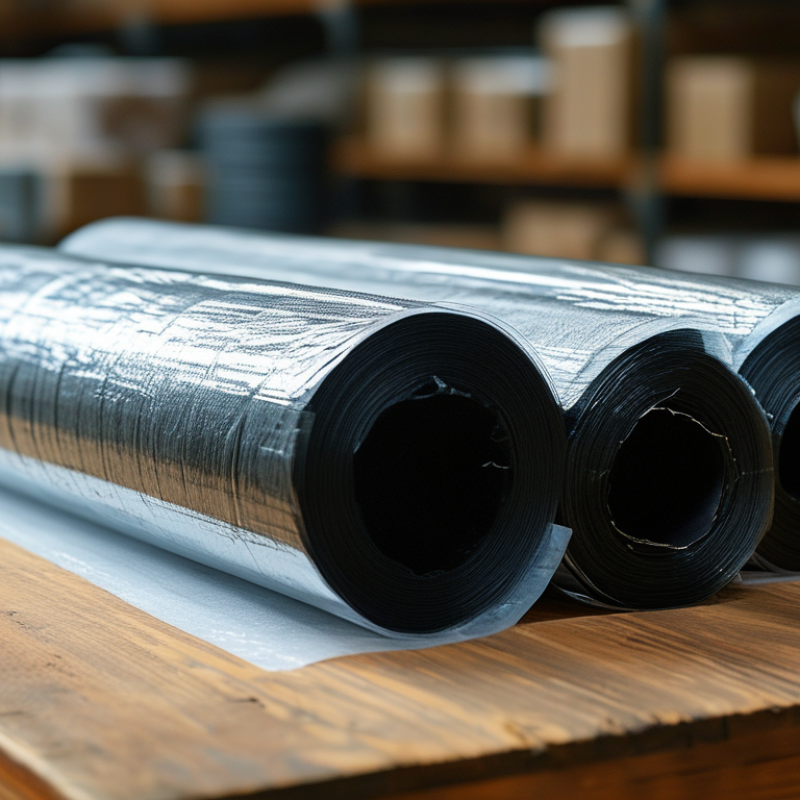
Heat shrink wrap is a versatile and effective packaging solution. It provides durability, protection, and a professional appearance. Businesses use it for various applications, including product bundling and palletizing. Its ability to conform tightly to irregular shapes makes it ideal for packaging multiple items together. This ensures stability during shipping and handling.
One of the main benefits of heat shrink wrap is its protective qualities. It shields products from dust, moisture, and physical damage. This is crucial for maintaining product integrity during transport and storage. In industries like food and pharmaceuticals, compliance with health standards is vital. Heat shrink wrap offers an added layer of security, protecting against contamination and spoilage.
**Tip:** Always test the shrink wrap on a sample product before bulk packaging. This helps ensure a proper fit and reduces waste.
Additionally, heat shrink wrap is lightweight. This characteristic helps reduce shipping costs. However, using the correct thickness is essential. Overly thick wrap can be unnecessarily heavy and costly. Striking the right balance can improve efficiency.
**Tip:** Consider environmental factors, such as temperature, when applying heat. Proper application ensures the wrap performs optimally, prolonging the shelf life of products.
While heat shrink wrap is reliable, flaws can occur if not applied correctly. Always monitor machine settings and ensure the wrap is free from defects. Addressing these potential issues can lead to better packaging results.
Common Applications of Heat Shrink Wrap Across Industries
Heat shrink wrap is widely used across various industries for its versatility and effectiveness in packaging solutions. One common application is in the food sector, where it helps maintain freshness and extend shelf life. Products like fruits, vegetables, and meats benefit from being tightly sealed in heat shrink wrap, protecting them from contaminants and physical damage. This method also minimizes waste, making it an environmentally friendly option.
In the electronics industry, heat shrink wrap plays a crucial role in insulation and protection. It safeguards wires and components from moisture, dust, and mechanical stress. Properly applied heat shrink can prevent electrical failures. However, a poorly sealed wrap might lead to exposure, which is a risk that needs addressing. Additionally, products like books and magazines utilize shrink wrap for bundling. This not only keeps them organized but also protects them from damage during transportation. Despite its advantages, careful consideration is needed regarding the material used to avoid negative environmental impacts.
Choosing the Right Type of Heat Shrink Wrap for Your Needs
Choosing the right type of heat shrink wrap is crucial for effective packaging. The market for heat shrink films is projected to reach $12 billion by 2025, highlighting their growing importance in various industries. Understanding the different types available can optimize your packaging process and improve product integrity.
Polyolefin and PVC are two popular materials for heat shrink wraps. Polyolefin is often preferred for its durability and clarity. It can withstand extreme temperatures and is resistant to punctures. In contrast, PVC is economical but may not offer the same strength. According to a recent study, about 68% of businesses indicate cost as a primary factor when selecting heat shrink materials.
Size and thickness are also essential considerations. Standard gauges range from 60 to 100 microns. Heavier gauges provide more protection but may be excessive for lightweight products. This choice often leads to packaging waste. Businesses should assess their specific needs based on product weight and distribution conditions. Balancing cost with functionality can sometimes create a dilemma.
Another factor to ponder is shrink ratio. This can range from 2:1 to 6:1. A higher shrink ratio may be necessary for intricate items. It is vital to have test runs before full implementation. Not every wrap performs well in all conditions, which may require adjustments. Careful evaluation can prevent packaging failures and enhance customer satisfaction.
Top 10 Uses of Heat Shrink Wrap for Packaging Solutions
Step-by-Step Guide to Applying Heat Shrink Wrap Effectively
Applying heat shrink wrap can revolutionize your packaging process. This material offers excellent protection against moisture, dust, and tampering. Understanding how to apply it effectively is crucial for ensuring your products are secure.
Begin by gathering your materials. You need heat shrink film, a heat gun, and scissors. Cut the film to size, ensuring it is large enough to completely envelop the item. When packaging delicate items, consider using cushioning materials to avoid damage during the shrinking process.
For optimal results, heat the shrink wrap evenly. Hold the heat gun at a safe distance to prevent burning or melting the film. Move the gun in a circular motion to achieve uniform heat distribution. This step often requires practice to perfect. It's essential to monitor the wrap closely and revisit any areas that need more attention.
**Tip:** Don't rush the process. Taking your time can yield better results.
If the film doesn't shrink properly, it may need more heat. However, be cautious—too much heat can cause shrink wrap to lose its integrity. Sometimes, adjustments may be needed to get it just right.
**Tip:** Always wear protective gear when using a heat gun. Safety should never be overlooked.
Effectively applying heat shrink wrap not only enhances the appearance but also increases the durability of your packages. According to industry reports, properly sealed packages are 30% less likely to be damaged during transport. Hence, mastering this technique is a worthy investment.
Top 10 Uses of Heat Shrink Wrap for Packaging Solutions
| Use Case | Description | Benefits | Material Type |
| Product Bundling | Combine multiple products into one package for easier handling and display. | Improves organization and reduces shipping costs. | PVC, Polyolefin |
| Food Packaging | Seal food items to preserve freshness and prevent spoilage. | Extends shelf life and protects against contamination. | Polyolefin |
| Protective Packaging | Wrap fragile items to prevent damage during transportation. | Ensures items arrive intact and reduces return rates. | PVC, EVA |
| Heat-Sealed Labels | Labels applied and sealed with shrink wrap for added security. | Prevents tampering and adds a clean finish. | Polyolefin |
| Retail Displays | Create attractive point-of-sale displays for products. | Enhances visual appeal and attracts customer attention. | Crystal Clear Polyolefin |
| Custom Packaging | Tailor packaging to specific product shapes and sizes. | Maximizes space and minimizes waste. | Polyolefin |
| Agricultural Products | Wrap agricultural goods to protect against moisture and pests. | Preserves crop quality and extends usability. | Low-density Polyethylene (LDPE) |
| Industrial Packaging | Secure heavy machinery and parts for shipping. | Mitigates loss and damage risks during transit. | Polyester |
| Seasonal Items | Package holiday decorations, gifts, and seasonal products. | Attractive presentation and protection until sale. | Polyolefin, PVC |
| Electronics Protection | Wrap electronic items to avoid static and physical damage. | Enhances safety during storage and transit. | Polyethylene, Polypropylene |
Safety Considerations and Best Practices for Heat Shrink Wrapping
Heat shrink wrapping is a versatile packaging solution. However, safety considerations are essential when using this method. Ensure your workspace is well-ventilated to mitigate fumes from heat sources. Wearing protective gloves and goggles is crucial, as heat shrink material can become very hot during the process. Always keep a fire extinguisher nearby, just in case. Some might overlook these precautions, thinking they are unnecessary. This can lead to accidents and injuries.
In addition to safety gear, it’s vital to choose the right heat shrink wrap for your project. Some materials can be more prone to defects, like uneven shrinkage. This unevenness could compromise product integrity. Test a small batch before committing to a large run. Another common oversight is not properly adjusting the heat source. Too much heat can melt or damage your product, while too little may result in ineffective sealing. Keeping meticulous notes on your process can help refine your technique over time.