Top 10 Uses of Force Sensing Resistor in Industry?
Force Sensing Resistors (FSRs) have become vital components in numerous industries. Their ability to convert applied force into an electrical signal makes them indispensable in various applications. The versatility of FSRs allows them to be used in fields ranging from automotive to healthcare, showcasing their wide-ranging impact.
In modern manufacturing and robotics, FSRs play a crucial role. They enable machines to "feel" and respond to physical interactions. This capability enhances automation and safety. In healthcare, FSRs are utilized in patient monitoring systems. They help track vital signs and ensure accurate assessments.
Despite their advantages, there are limitations. Some users may not fully understand the calibration process of FSRs. This can lead to unreliable data and improper usage. Awareness and training are essential for maximizing their potential. Overall, the incorporation of Force Sensing Resistors into industrial applications continues to grow, marking a transformative shift in technology.
Applications of Force Sensing Resistors in Manufacturing Automation
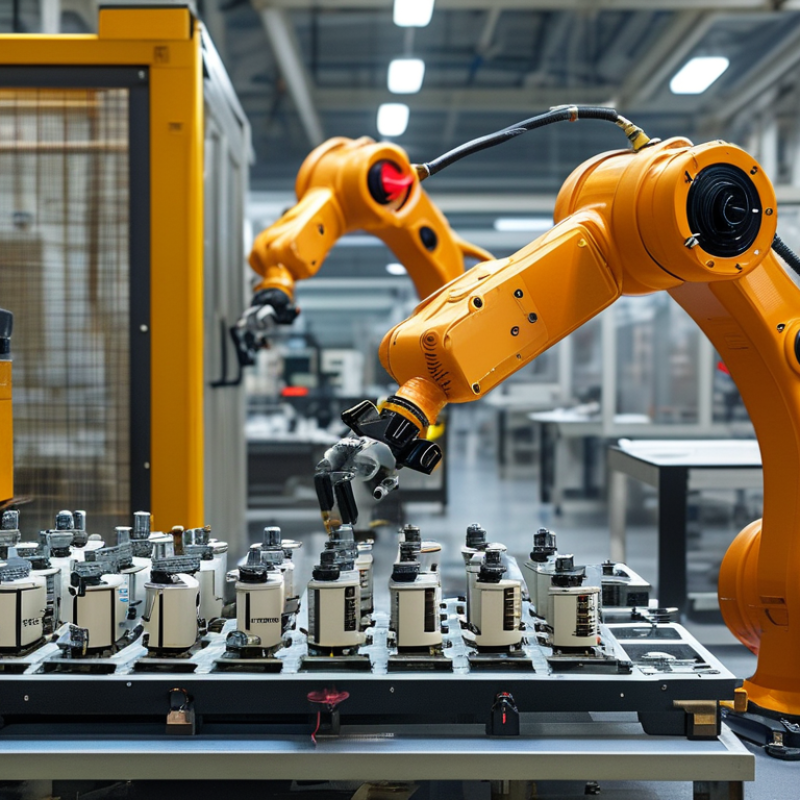
Force sensing resistors (FSRs) play a crucial role in manufacturing automation. They measure pressure or force with precision, making them invaluable in various applications. For instance, FSRs can be integrated into robotic arms. This enhances their ability to handle delicate components without damage. Additionally, FSRs are used in assembly lines to monitor the application of pressure during the manufacturing process, ensuring high quality and safety standards.
Tips: Regularly calibrate FSRs for optimal accuracy. This simple step can prevent significant errors in production, saving time and resources. Another consideration is sensor placement. If sensors are poorly positioned, data may be skewed. Accurate placement enhances the reliability of measurements.
Moreover, FSRs aid in safety monitoring. In any automated system, they can provide feedback to stop machinery if excess pressure is detected. This capability is crucial for preventing accidents and ensuring worker safety. However, not all force sensing resistors are created equal. Understanding their limitations can help in selecting the appropriate type for specific applications.
Top 10 Uses of Force Sensing Resistor in Industry
Integration of Force Sensing Resistors in Robotics and Manipulation
In the realm of robotics, force sensing resistors (FSRs) play a pivotal role in enhancing manipulation capabilities. These sensors detect changes in force applied to them, allowing robots to adapt their grip on objects. A 2022 report by the International Federation of Robotics highlighted that incorporating FSR technology increases precision in robotic applications by up to 30%. This improvement is crucial in delicate operations, such as assembling electronic components or handling fragile items.
However, integration of FSRs into robotic systems is not without challenges. Calibration can be complex, often requiring multiple iterations to achieve desired sensitivity. Moreover, environmental factors such as temperature and humidity can impact FSR performance. A study published in the Journal of Robotics in 2023 indicated that 25% of failures in robotic manipulation tasks were due to inaccurate force readings from improperly calibrated sensors.
Despite these hurdles, the use of FSRs continues to grow. They are a cost-effective solution for enhancing robotic systems’ tactile feedback. As industries move towards more automated solutions, the development and optimization of FSR integration remain crucial. Balancing the complexities of accurate calibration and environmental dependencies is vital for the future of robotics.
Usage of Force Sensing Resistors in Healthcare and Medical Devices
Force sensing resistors (FSRs) have transformed healthcare and medical devices significantly. These sensors detect variations in pressure, making them useful in various applications. In rehabilitation, FSRs track physical therapy progress. They provide detailed feedback on force exerted during exercises. This data helps therapists tailor rehabilitation programs for individual patients.
In surgical settings, FSRs enhance precision. Surgeons can utilize them in robotic instruments to gauge pressure accurately. This enhances control during delicate procedures. Additionally, FSRs are integral in patient monitoring systems. They ensure pressure is evenly distributed in hospital beds or wheelchairs. This prevents pressure sores and enhances patient comfort.
However, challenges remain in FSR technology. Sensor accuracy can vary based on environmental conditions. This variability requires careful consideration during device development. Continuous integration and testing are necessary to ensure reliability. The healing process is complex, and every detail counts. FSRs can make a difference, but they are not infallible. Continuous improvement and feedback will help refine their application in healthcare.
Force Sensing Resistor Applications in Automotive Safety Features
Force sensing resistors (FSRs) play a crucial role in the automotive industry, particularly in enhancing safety features. These sensors detect pressure and apply it to numerous applications. For example, they are used in brake systems to monitor driver input. This real-time feedback can improve braking response under various conditions, enhancing overall road safety.
In addition, FSRs are incorporated into seat occupancy sensors. These systems determine whether a passenger is present and adjust airbag deployment accordingly. This adjustment is essential for reducing injury risk during collisions. Moreover, FSRs can also be found in steering wheels, where they enhance driver interaction by providing tactile feedback during operation. This feature can improve driver awareness, leading to safer driving practices.
However, the implementation of FSRs is not without challenges. The calibration process requires precision to ensure accurate readings. Additionally, environmental factors such as temperature and humidity can affect sensor performance. The industry must continually refine these technologies to address these issues. Striving for greater accuracy and reliability is necessary to fulfill the safety potential of force sensing resistors in automotive applications.
Implementing Force Sensing Resistors in Consumer Electronics and Wearables
Force sensing resistors (FSRs) are revolutionizing the consumer electronics and wearables industry. These sensors provide a unique way to measure pressure or force. They are thin, flexible, and can be integrated into various devices. From smartphones to smartwatches, their applications are diverse. In wearables, FSRs enhance user interaction by detecting touch and pressure. This allows for more intuitive controls.
In fitness trackers, FSRs can monitor body pressure during workouts. This data helps users adjust their routines. However, the accuracy of these sensors can vary. Factors like temperature or surface material affect their performance. Some users may experience delays in feedback, which can be frustrating.
Moreover, integrating FSRs into wearables poses challenges. Designers must balance thickness and durability. A thicker sensor may offer more reliability but could compromise comfort. Additionally, software algorithms play a significant role in interpreting data from FSRs. Misinterpretation can lead to poor user experiences. Enhancing reliability and responsiveness remains a crucial area for improvement.
Top 10 Uses of Force Sensing Resistor in Industry
| Application | Description | Industry | Advantages |
| Touch Control | Used in touch-sensitive devices for input control. | Consumer Electronics | Intuitive user experience, compact design. |
| Weight Measurement | Measures weight in various industrial applications. | Manufacturing | High accuracy and real-time data. |
| Medical Devices | Integrated in devices for patient monitoring. | Healthcare | Enhanced patient care and feedback. |
| Robotics | Provides feedback on force applied by robotic limbs. | Engineering | Increased precision in tasks. |
| Gaming Controllers | Enables pressure sensitivity for enhanced gameplay. | Gaming | Improved gaming experience and realism. |
| Automotive Applications | Used in touch panels and pressure-sensitive controls. | Automotive | Increased safety and control features. |
| Wearable Technology | Monitors physiological data through pressure sensing. | Health & Fitness | Personalized health tracking capabilities. |
| Consumer Appliances | Enhances interaction with smart appliances. | Home Electronics | User-friendly interfaces and efficiency. |
| Sports Equipment | Measures force during athletic performance. | Sports | Enhanced training and performance analysis. |
| Industrial Machinery | Monitors load and pressure in equipment. | Industrial Automation | Improved operational efficiency and safety. |