Top Solinco String Machine Suppliers in China for Buyers
Choosing a Solinco String Machine supplier in China takes more than comparing prices. Buyers should confirm what the term means for each supplier: a stringing machine compatible with Solinco strings, a branded product, or a customized setup. These are not always the same. Clear product specifications prevent costly misunderstandings.
A useful comparison starts with practical details. Ask for clamp type, tension range, calibration procedure, available power options, and a clear product video. Request a quotation that separates machine cost, accessories, packaging, and shipping. If possible, review a sample unit before placing a larger order. Small details count. A clamp that slips or a tension reading that drifts can affect daily work.
Supplier claims deserve careful checking. Look for consistent company information, written warranty terms, spare-parts availability, and responsive technical support. Ask how the supplier tests each machine before shipment, and request records or demonstration footage where appropriate. A polished catalog is helpful, but it is not proof. There is no perfect shortlist; even careful buyers can miss a detail. Comparing several suppliers against the same checklist makes differences easier to see. The sections ahead explain how buyers can assess Chinese suppliers, verify product fit, and weigh price against service. Take time with the specifications. A dependable purchase often begins with one precise question.
What Solinco Stringing Machines Are and How They Fit the Tennis Equipment Market
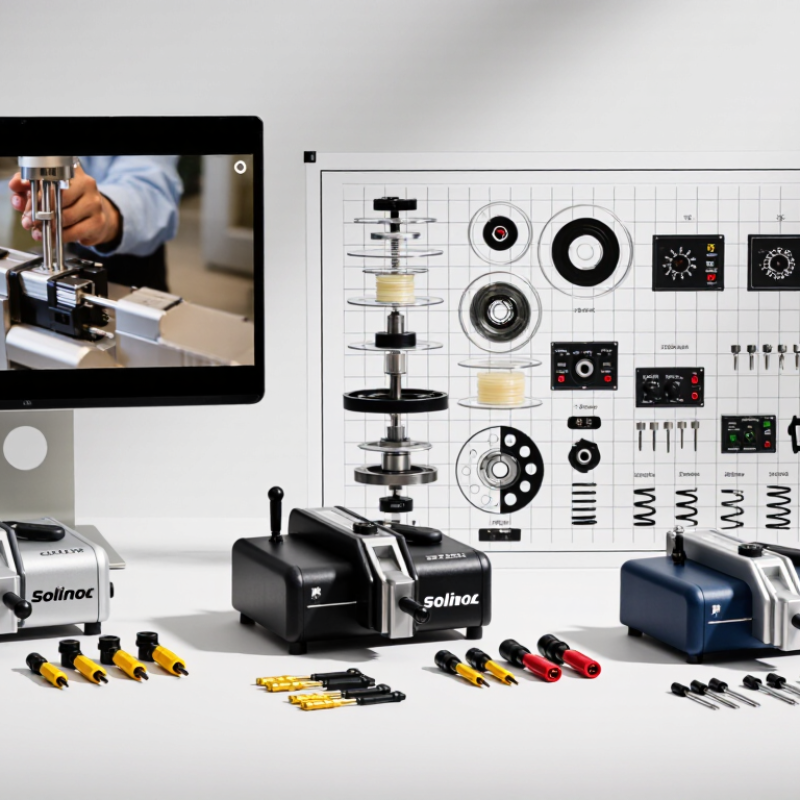
A tennis stringing machine tensions strings to a selected pull level and helps keep that tension consistent across a racket. Solinco stringing machines, as a product category, sit within the broader tennis-equipment market alongside rackets, strings, grips, and court accessories. Buyers may encounter manual, electronic, and crank-based models, each suited to different workloads and budgets. A club servicing several rackets each evening has different needs from a home player restringing one racket occasionally. The machine’s clamp stability, tension range, calibration process, and available support matter more than a long feature list. Precision takes practice.
When comparing suppliers in China, ask for clear specifications, product photos, warranty terms, and details about replacement parts. Confirm that the machine’s power requirements match your location if it uses an electronic tension system. Request a sample calibration report or a demonstration video showing the tension head and clamps in use. These checks cannot replace hands-on testing, but they can help reveal vague claims before an order is placed. Supplier communication also matters; unclear answers about service can become a real inconvenience later.
Tips: Test clamp movement and inspect the turntable for wobble. Keep a simple tension log during early use. Small differences can show up. Recheck calibration periodically, especially after moving the machine or changing its setup. One imperfect reality: even a well-built machine cannot compensate for rushed technique or inconsistent knotting.
Which Machine Types Do Chinese Suppliers Offer: Manual, Electronic, and Professional?
Chinese suppliers generally offer three stringing-machine types: manual crank, electronic constant-pull, and professional workshop systems. Manual models use a hand crank and are often suitable for clubs with modest workloads. They cost less, but tension depends more on operator technique. Electronic machines provide digital settings and steady pulling force. Look for clear controls, secure clamps, and a calibration process. Small details matter.
Professional systems may add quicker mounting, automatic functions, and stronger support for repeated daily use. The International Tennis Federation’s 2021 Global Tennis Report estimated 87 million tennis players worldwide in 2019. That figure signals broad participation, not machine sales, but it helps explain why service shops need dependable throughput. Ask suppliers for calibration records, warranty terms, spare-part availability, and a live demonstration with a racquet frame. Watch the clamps closely. Do they slip? Even advanced equipment needs regular checks. A specification sheet alone is not enough, and I would not choose by the highest tension range alone.
How to Compare Tension Specs: Common 10–90 lb Ranges and Calibration Accuracy
For buyers comparing stringing machines, a 10–90 lb tension range is a useful screening spec, not proof of accuracy. Check the manual for the machine’s operating range, resolution, and stated calibration tolerance. A display showing 0.1 lb steps does not guarantee 0.1 lb accuracy. Small differences matter. At a 50 lb setting, a 1 lb error equals 2%, enough to affect repeatability across a busy stringing bench.
Ask how calibration is verified and whether the supplier can provide a dated calibration record, the reference instrument used, and the permitted error. International Tennis Federation technical racket-testing publications treat string-bed stiffness as a measurable property, underscoring that displayed tension alone cannot describe the finished result. String type, pull speed, clamps, and operator technique also influence the outcome. Supplier claims should be checked against a sample test; an advertised tolerance without a method is hard to compare.
Tips: Request checks near both ends of the range, such as 20 lb and 60 lb, using a calibrated reference gauge. Record three pulls at each point. Compare the average and variation, not just one reading. A little uncertainty remains in real workshop conditions.
Top Solinco String Machine Suppliers in China for Buyers — How to Compare Tension Specs: Common 10–90 lb Ranges and Calibration Accuracy
The chart converts nominal tension settings from 10 to 90 lb into kilograms using 1 lb = 0.453592 kg. These are unit conversions, not measurements of any machine’s accuracy. When comparing machines, check the stated calibration tolerance and verify tension with a calibrated gauge or load cell.
How to Verify Supplier Credentials, Production Capacity, MOQ, and Export Experience
A reliable tennis stringing machine supplier should provide verifiable company details, not just a polished product page. Request its business registration information and confirm that the registered name matches the quotation and payment documents. Ask whether production happens at its own facility or through subcontractors. That distinction matters. It can affect lead times, quality checks, and after-sales support. Review product specifications, user manuals, and inspection records for the exact machine model you plan to purchase.
Check production capacity with practical questions. How many units can the supplier assemble each month? What is the normal lead time during a busy season? Ask for dated photos or a live video tour showing assembly benches, testing equipment, and finished machines. A large number sounds impressive, but it means little without consistent inspection. Request sample QC records and clarify how defects are handled. I would still verify a sample before placing a large order; paperwork alone can miss small issues.
Tips: Confirm the MOQ for each model and whether mixed-model orders are accepted. Get packaging dimensions, spare-parts availability, and written warranty terms. For export experience, ask which destination markets the supplier has served and request redacted shipping records or customer references, with permission. Check that invoices, packing lists, and manuals use consistent product descriptions. If answers stay vague, slow down. It may be a false alarm, but a short delay is cheaper than unclear order terms.
Top Solinco String Machine Suppliers in China for Buyers - How to Verify Supplier Credentials, Production Capacity, MOQ, and Export Experience
Supplier-neutral screening table. Supplier-specific credentials, capacity, minimum order quantity, and export history should be confirmed with current documents and samples; they cannot be reliably inferred without identifying and auditing a supplier.
| Evaluation dimension | What to verify | Evidence to request | Buyer check |
|---|---|---|---|
| Legal business credentials | Confirm the contracting entity is legally registered and that its registered business scope is consistent with the products offered. | Current business licence, registered legal name, registration number, and a matching company bank account. | Check registration details through an official Chinese enterprise-information source; ensure names match across the quotation, contract, and invoice. |
| Factory or trading-company status | Establish whether the seller manufactures the machines, outsources production, or acts as a trading company. | Factory address, production-site photos or live video, process overview, and written disclosure of subcontracted operations. | Compare the site and production information with the seller’s registered details; arrange an independent audit for higher-risk orders. |
| Product specification | Confirm the machine type and technical configuration meet the intended use; do not rely on a product title alone. | Model-specific datasheet, operating manual, included accessories, warranty terms, and written answers to technical questions. | Check functions, power requirements, units, and included parts against the purchase contract and approved sample. |
| Quality control | Understand how incoming parts, assembly, calibration, and finished machines are checked. | Inspection checklist, sample test record, calibration procedure where applicable, and defect or warranty-handling process. | Specify acceptance criteria before ordering; consider a pre-shipment inspection by an independent inspection provider. |
| Production capacity and lead time | Assess available capacity for the requested model and quantity, including any peak-season constraints. | Current production schedule, confirmed lead time, capacity explanation, and written delivery milestones for the order. | Treat capacity figures as supplier-provided until independently verified; confirm start date, completion date, and delay remedies in writing. |
| Minimum order quantity (MOQ) | Confirm the MOQ for the exact model, configuration, packaging, and any customization requested. | Written quotation showing MOQ, unit price by quantity tier, sample terms, tooling or customization charges, and packaging conditions. | MOQ is supplier- and configuration-specific; do not assume a published MOQ applies to a customized order. |
| Export experience | Determine whether the seller has completed comparable international shipments and can prepare the required export documents. | Redacted shipping records or references, sample commercial invoice and packing list, and confirmation of the proposed Incoterms® rule. | Verify document consistency and clarify who handles export clearance, freight booking, insurance, and destination-country requirements. |
| Certifications and compliance | Check which product and market-specific requirements apply to the machine and its electrical components. | Relevant test reports or certificates issued for the offered model, with issuing-body details and validity information where applicable. | Verify documents with the issuer and confirm that the model, configuration, and destination market are covered; requirements vary by market. |
| Commercial and payment terms | Review price basis, payment milestones, warranty coverage, spare parts, and remedies for non-conforming goods. | Formal quotation and sales contract stating currency, Incoterms® rule and named place, delivery schedule, warranty, and dispute terms. | Use a payment method with appropriate safeguards; independently verify any last-minute bank-account change before sending funds. |
Note: No supplier ranking or supplier-specific figures are presented because they require current, independently verifiable supplier data.
How to Evaluate Pricing, Warranty, Spare Parts, and After-Sales Support Before Buying
When comparing Chinese stringing-machine suppliers, request an itemized quotation, not just a headline price. Check whether it includes the control unit, clamps, tools, packing, and shipping. Ask which currency and delivery terms apply, and confirm any setup fees in writing. A low quote can hide costly omissions. Compare machines with the same features and ask for a current product video showing tension calibration and clamp movement.
Read the warranty before paying. Confirm its length, covered components, and who pays transport for replacements. Ask how the supplier handles a faulty tension head and how quickly support usually replies. Spare parts matter too: request part numbers, prices, stock status, and typical dispatch times for clamps, sensors, and power components. A written parts list is useful. A vague promise is not. If possible, request the operating manual and a remote setup session; these reveal how practical support may be after delivery.
Tips: Save the quotation, warranty, and support contact in one place. Ask for a sample service response before ordering. Check that replacement parts match the exact machine configuration, since small model differences can cause delays. I would still leave some room for uncertainty: response times can vary, and a polished video alone proves little. Look for consistent written answers and clear documentation.