Top 10 Anchor Drill Rigs for Global Buyers This Year?
In the ever-evolving landscape of construction and mining, the importance of reliable Anchor Drill Rigs cannot be overstated. Greg Fisher, a seasoned industry expert with over twenty years of experience, once stated, “The right anchor drill rig can make or break a project.” This underscores the vital role these machines play in ensuring stability and safety in various drilling applications.
As global buyers seek the best equipment, understanding the top anchor drill rigs available is essential. Each rig offers unique features that cater to specific project needs. Buyers must consider factors such as capacity, portability, and adaptability. The industry is full of options, yet not all rigs are created equal. The right choices can lead to successful operations.
While many models shine in performance, recognizing the limitations and maintenance needs of each type is equally important. Some rigs are too heavy for certain sites, while others may lack power for deep drilling. Buyers should look for balance between capability and practicality. Choosing an anchor drill rig is not just about brand reputation; careful evaluation of each model’s pros and cons is crucial for long-term success.
Top Features to Consider in Anchor Drill Rigs for 2023
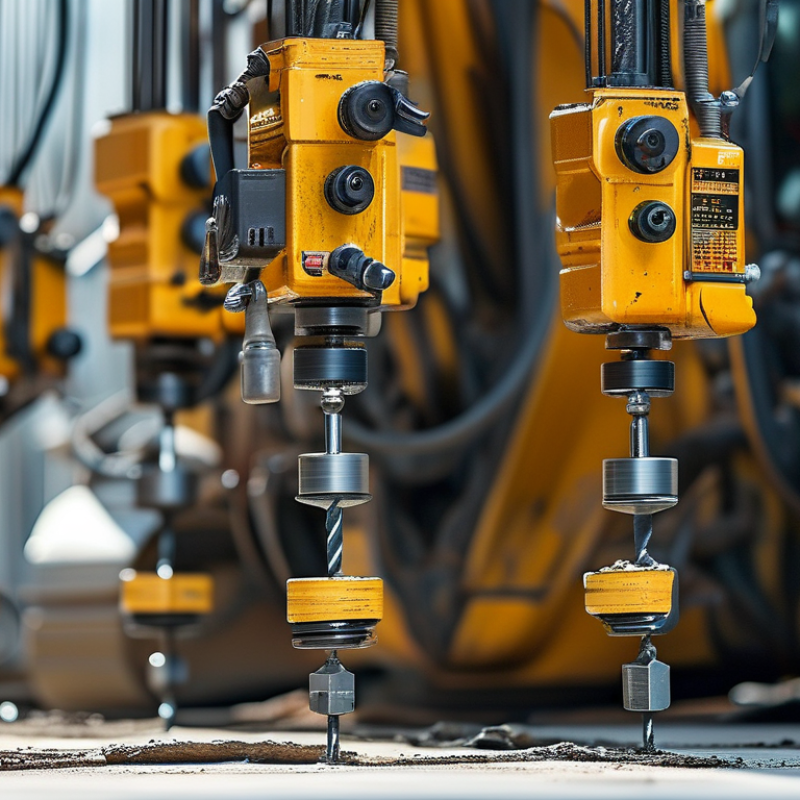
When selecting anchor drill rigs, key features significantly influence performance and reliability. The auger type, depth capability, and power source are critical factors. A versatile auger allows for efficient drilling in various soil types. Consider rigs that offer adjustable depth settings. This can enhance productivity and adaptability on different job sites.
Power options play a vital role in operation. Electric rigs often provide cleaner energy use, while diesel models may offer greater mobility in remote areas. Each has its strengths; weigh these based on project specifics. Hydraulic systems are also essential. They can enhance control during drilling, making it easier to manage tough terrains.
Safety features cannot be overlooked. Look for rigs equipped with automatic shut-off systems and emergency stops. These enhance worker safety significantly. Regular maintenance is crucial. Skipping maintenance can lead to unexpected downtime. Understanding these features helps ensure you select the best anchor drill rig for your needs.
Market Trends: Growth and Demand for Anchor Drill Rigs Globally
The anchor drill rig market is witnessing significant growth, driven by increasing construction activities globally. According to a recent market analysis report, the global anchor drill rig market is expected to expand at a CAGR of 7% from 2023 to 2030. This surge in demand is fueled by the rapid urbanization and infrastructural development prevalent in emerging economies.
Various industries are tapping into the benefits of anchor drill rigs, particularly in foundation work and geotechnical applications. Infrastructure projects, such as highways and bridges, require robust anchoring solutions to ensure stability and safety. Furthermore, advancements in technology are enhancing the efficiency of these rigs, making them more appealing to buyers. Enhanced automation and precision tools lead to improved productivity on construction sites.
It is essential for buyers to evaluate their specific needs before investing in an anchor drill rig. Consider the rig's operational depth and soil conditions it can handle. Also, familiarize yourself with maintenance requirements. Regular servicing can prolong the rig’s lifespan and maintain performance. Lastly, staying updated with market trends can help anticipate shifts and make informed purchasing decisions.
Comparison of Leading Anchor Drill Rig Brands and Their Specifications
When considering anchor drill rigs for global markets, several brands stand out in 2023. A recent industry report highlighted the importance of performance specifications in drilling efficiency. Maximum depth capacities and torque characteristics significantly influence operational success. For instance, rigs designed to reach depths of up to 150 meters tend to provide superior operational flexibility. This depth is crucial for various soil conditions, especially in construction and infrastructure projects.
Durability remains a vital attribute for buyers. Rig models comprising high-grade materials generally offer longer service lives and lower maintenance costs. Current data suggests that rigs with reinforced steel components can reduce unexpected failures by up to 30%. In a market where reliability is critical, brands prioritizing robust construction are likely to gather more interest. Additionally, factors like weight and mobility influence site adaptability, which can alter project timelines and costs directly.
Employing advanced technologies is another trend in anchor drill rigs. Automation features can enhance accuracy and efficiency. However, technology implementation isn't without challenges. Many operators struggle with integrating new systems into existing workflows, leading to potential downtimes. Understanding these hurdles is crucial for buyers aiming to make informed decisions regarding equipment investments.
Safety Standards and Regulations Impacting Anchor Drill Rig Performance
Anchor drill rigs play a crucial role in various construction and mining applications. However, the performance of these rigs is heavily influenced by safety standards and regulations. Compliance with these standards ensures not only worker safety but also operational efficiency. According to a recent industry report, approximately 30% of drilling delays are attributed to non-compliance with safety regulations. This highlights the urgent need for manufacturers to prioritize adherence to established guidelines.
The global market has seen a growing emphasis on safety features integrated into anchor drill rigs. Features such as automatic shutdown systems, improved visibility, and ergonomic designs are now standard in high-quality rigs. Research indicates that companies focusing on these safety enhancements report a 25% reduction in workplace accidents. This not only protects workers but also minimizes equipment downtime and enhances productivity.
Despite progress, gaps remain in the understanding of various regulations across regions. Many operators are unsure about the specific requirements applicable in their locations. This knowledge gap can lead to costly mistakes. It underscores the necessity for ongoing training and education in the industry. Addressing these issues may pave the way for further advancements in safety and efficiency in anchor drill rig performance.
Cost Analysis: Budgeting for the Best Anchor Drill Rigs This Year
When budgeting for anchor drill rigs this year, understanding costs is crucial. The price range can vary significantly based on specifications and capabilities. Basic models may start at a lower budget, while advanced rigs equipped with cutting-edge technology command higher prices. Consider your project requirements before making a decision. It's essential to balance functionality and cost.
Moreover, maintenance and operational costs are often overlooked. Regular maintenance is necessary to ensure longevity. Be aware that higher-performing rigs may require more specialized upkeep, potentially increasing costs. If purchasing used equipment, factor in the potential need for repairs or upgrades.
Finally, exploring financing options can help manage expenses. Some suppliers offer leasing arrangements, which can lessen immediate financial burdens. However, take the time to read the fine print. Understanding the total cost of ownership is critical. Every buyer should reflect on their needs and examine budgets carefully.