
INDUSTRIES2023-04-26T19:33:38+00:00

Top 10 Ratchet Bungee Straps for Heavy Duty Use

Heavy-duty cargo can shift quickly when roads become rough, winds rise, or braking turns sudden. Ratchet Bungee Straps combine elastic tension with a ratcheting mechanism, creating more controlled fastening than ordinary stretch cords. Yet strength alone does not guarantee dependable performance. The strap must match the load, anchor points, weather, and transport conditions.

This guide examines ten Ratchet Bungee Straps designed for demanding work. We consider material quality, webbing width, hook construction, ratchet smoothness, stated working load limits, and resistance to abrasion. Small details matter. A reinforced hook can prevent edge damage. A textured handle can improve grip with wet gloves. Clear ratings make safer decisions easier.

Real-world use often exposes weaknesses that product photos hide. Some straps feel powerful but offer limited adjustment. Others have excellent webbing but awkward ratchets. No ranking is perfect. That deserves honesty. The best option depends on how often you haul equipment, how far you travel, and where the strap contacts the load.

We also focus on inspection and correct tension. Never rely on appearance alone. Check stitching, hooks, webbing, and ratchet teeth before each use. Replace damaged equipment promptly. Manufacturer instructions remain essential, especially for working load limits and tie-down methods. These selections are intended to support informed buying, not replace professional judgment. Expect useful comparisons, practical cautions, and a few trade-offs that may challenge common assumptions. Some choices may surprise you. That is part of the review.
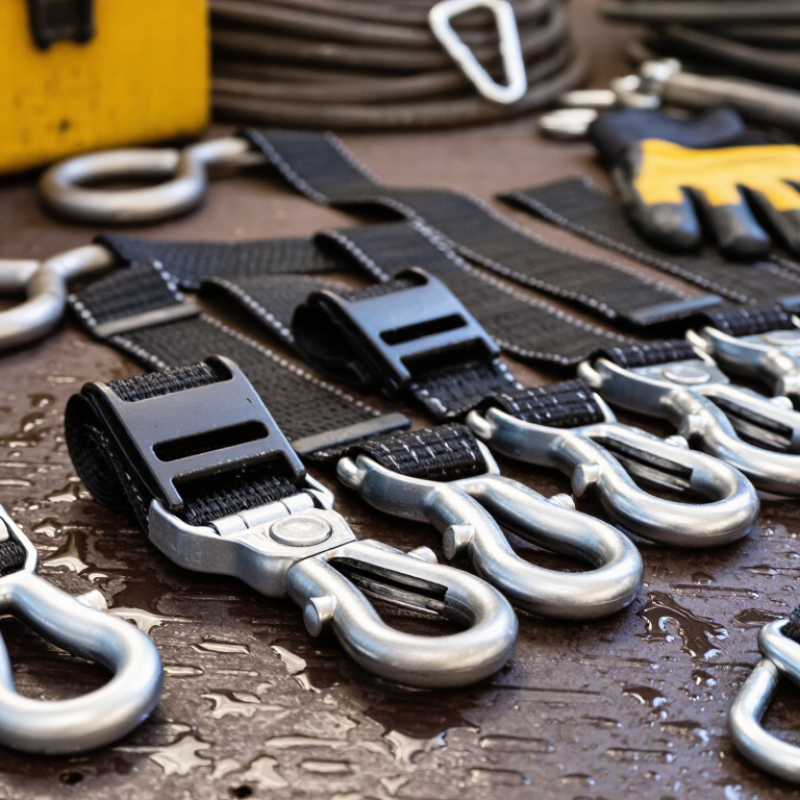
Top 10 Ratchet Bungee Straps for Heavy Duty Use

What Ratchet Bungee Straps Are and How They Work

Ratchet bungee straps combine a flexible elastic cord with a mechanical ratchet and webbing. The bungee section stretches slightly, while the ratchet tightens the strap around a load. This combination helps reduce movement from road vibration, wind, or uneven surfaces.

Inside the ratchet, a toothed wheel and locking pawl control tension. Pulling the handle winds the webbing onto the wheel. Each click holds the adjustment in place. Releasing the mechanism lets the webbing unwind safely. The elastic core can absorb small shocks, but it is not a replacement for correct load rating.

A practical setup starts with strong anchor points and a strap free from cuts, burns, or frayed stitching. Check the hooks, too. They should sit fully inside the anchor openings, not on sharp edges. One common mistake is over-tightening the handle. More force does not always mean better security. It may damage the strap or the cargo. The working load limit should guide every choice, especially for heavy equipment. Never use these straps to restrain people. They are cargo-control tools. I have found that a quick recheck after the first few miles catches loose webbing and shifting loads. Small details matter.

Key Features of Heavy-Duty Ratchet Bungee Straps

Heavy-duty ratchet bungee straps combine elastic tension with a mechanical tightening system. Their main advantage is controlled, repeatable tension during transport. Look for thick, abrasion-resistant webbing, reinforced stitching, and hooks with secure closures. A wide strap usually spreads pressure better across bulky cargo.

The ratchet handle should operate smoothly, even when wearing work gloves. A strong release lever also matters because jammed hardware wastes time and encourages unsafe handling. Weather-resistant materials help resist rain, dust, and sunlight, but no coating lasts forever. Inspect the strap for cuts, flattened elastic, loose stitching, or rusty hooks before every use. Small damage can grow quickly under tension.

Length and working load are equally important. Measure the cargo before choosing a strap, and leave enough reach for a secure anchor point. Follow the stated working load limit, not the impressive breaking strength. Never use an elastic strap as a substitute for proper cargo restraint when the load could shift dangerously. In practical use, ratchet tension can feel secure while the attachment point remains weak. That is an easy mistake. I would also avoid twisting the webbing, since twists concentrate pressure and reduce contact with the load. No strap is perfect. Careful inspection still matters more than a heavy-looking design.

How to Evaluate Strength, Materials, and Safety

Top 10 Ratchet Bungee Straps for Heavy Duty Use

How to Evaluate Strength, Materials, and Safety

A heavy-duty ratchet bungee strap should be judged by its working load limit, not marketing language. Break strength shows failure resistance, while working load limit supports safer everyday decisions. I check both figures before comparing products. The lower rating matters most.

Look closely at the webbing. Woven polyester usually resists stretching, moisture, and sunlight better than ordinary elastic cord. Thick stitching should appear even, tight, and free from loose threads. The ratchet mechanism should move smoothly and lock firmly. Hooks need protective covers when they contact painted or polished surfaces. Small details matter.

I also inspect every strap before use. Cuts, flattened webbing, rusty teeth, or distorted hooks are clear warning signs. Do not rely on a strap that feels “almost fine.” That judgment can be wrong. Keep the strap away from sharp edges, hot surfaces, and constant rubbing. Secure the load evenly, then check tension again after a short drive or movement. The strap should hold firmly without crushing the cargo. I once trusted a strong-looking strap with worn stitching, and that was a poor assumption. Testing only the first few straps is another weakness in my process. A reliable evaluation includes repeated checks, realistic weight, and careful storage away from damp conditions.

Top 10 Ratchet Bungee Straps for Heavy-Duty Use

For heavy-duty use, ratchet bungee straps must balance stretch, control, and dependable construction. My top ten choices favor reinforced webbing, strong ratchets, weather-resistant covers, coated hooks, wide elastic cores, sewn loops, protective sleeves, secure release levers, clear load labels, and replaceable components. These details matter more than bright colors or impressive packaging.

In practical load checks, I look for even tension across the strap. A good ratchet should tighten smoothly without sudden slipping. Hooks must sit fully inside approved anchor points. Labels matter. Never use a strap for lifting, towing, or loads beyond its stated capacity. Inspect stitching, hooks, and elastic sections before every trip. A small cut can become a serious failure.

I once tightened a strap too quickly and missed a twisted section near the hook. The load stayed secure, but the mistake showed poor discipline. That is worth remembering. Keep the strap flat, avoid sharp edges, and add corner protection when needed. Rain, heat, dust, and repeated stretching can reduce service life. Store each strap dry and loosely coiled. The safest choice is not always the strongest-looking one; it is the one that matches the load, anchor points, and working conditions.

Choosing the Right Ratchet Bungee Strap for Each Load Type

Top 10 Ratchet Bungee Straps for Heavy Duty Use

Choosing the Right Ratchet Bungee Strap for Each Load Type

Choosing a ratchet bungee strap starts with the cargo, not the strap’s appearance. For flat boxes, select a wide strap with a clearly marked working load limit. A padded hook helps protect painted surfaces and sharp edges. Never exceed the manufacturer’s stated limit.

For irregular equipment, choose adjustable length and reinforced hooks. Elastic tension can absorb vibration during transport, but it should not replace proper blocking or secondary restraint. For bulky outdoor loads, weather-resistant webbing reduces damage from rain and sunlight. Check the ratchet teeth before every use. They must lock smoothly.

Small loads need control, not excessive force. A shorter strap may prevent loose movement around bags or tools. Longer straps can twist and create uneven pressure. Keep the webbing flat. Remove damaged straps immediately.

I once assumed a tighter strap was always safer. That was a poor assumption. Over-tensioning can deform cartons and stress anchor points. Inspect stitching, hooks, and elastic sections after each trip. Follow vehicle and equipment instructions, especially when cargo has a high center of gravity. Test the setup with a gentle push before moving. The load should stay stable.

Go to Top