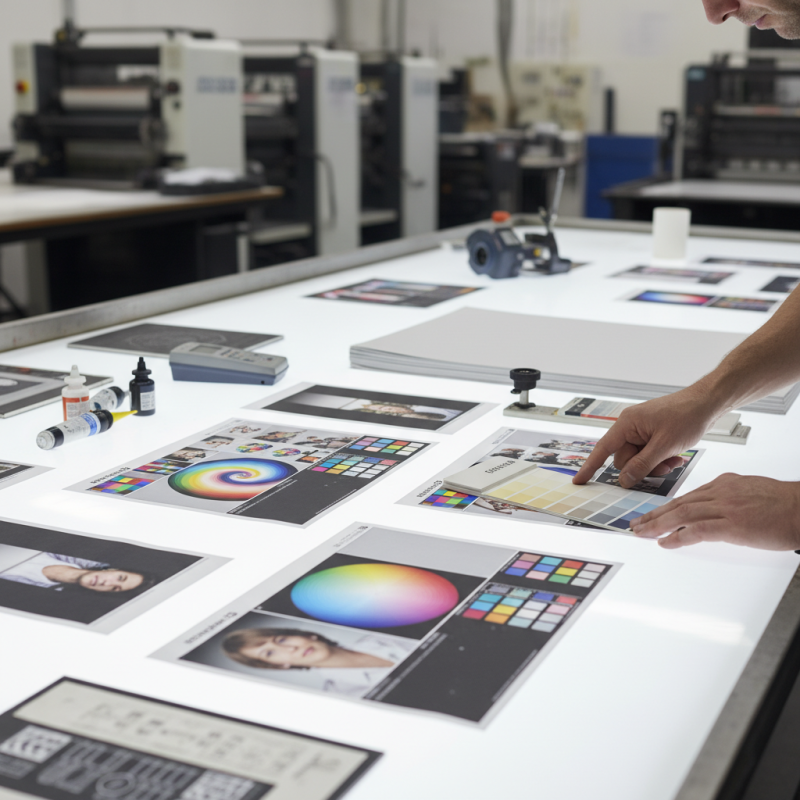
Effective Tips for Understanding the Offset Sheet Proof System?
The Offset Sheet Proof System is crucial in the printing industry. It ensures that printed materials meet quality standards before mass production. Understanding this system can significantly improve your workflow and reduce costly mistakes.
Many professionals struggle with the nuances of the Offset Sheet Proof System. This can lead to misprints and wasted resources. Familiarity with the types of proofs available can enhance your ability to make informed decisions. For instance, each proof type has unique characteristics that offer insights into color accuracy and image clarity.
Navigating the Offset Sheet Proof System requires an eye for detail and a commitment to excellence. It is not a one-size-fits-all approach. You may find aspects of the system confusing at first, but mastering these complexities is essential for success. Engage with experienced peers to deepen your understanding, and always remain open to feedback.
Overview of the Offset Sheet Proof System
The Offset Sheet Proof System is a vital process in the printing industry. It serves as a preliminary step to ensure quality before mass production. This system primarily uses digital technology to create a proof that mirrors the final printed product. The goal is to catch errors early, saving time and resources.
One critical aspect is color accuracy. Printers must adjust to achieve precise color matching. Misalignment here can lead to issues in the final output. Not all colors appear the same under different lights. Therefore, viewing proofs under various conditions is essential.
Another consideration is the layout. The system displays the arrangement of text and images. Mistakes like incorrect margins or misplaced elements can become costly mistakes. Attention to detail during this phase is crucial. Feedback from clients often highlights areas for improvement, prompting necessary changes. This iterative process reflects the need for continuous refinement in design and execution.
Key Components of the Offset Sheet Proof Process
The offset sheet proof process plays a vital role in the print production cycle. It focuses on ensuring that the printed materials meet expectations before the final run. This stage begins with the creation of a sample, known as a proof. This proof reflects the colors, layout, and overall design. The process allows for adjustments, which is essential for accuracy.
Key components include color calibration and proofing methods. Color calibration involves aligning the printing machine's output to standard color profiles. This ensures consistency across different prints. Proofing methods, such as digital or hard copy proofs, offer distinct benefits. Digital proofs are quick and cost-effective, while hard copy proofs provide a tactile reference. Each option has its challenges; digital may misrepresent color fidelity, while hard copy proofs can be time-consuming.
Attention to detail is crucial throughout this process. Every element, from font selection to image placement, needs scrutiny. Mistakes at this stage can lead to significant issues in the final product. Relying solely on automated proofs may introduce errors. Manual oversight is necessary to catch discrepancies. The offset sheet proof process can seem cumbersome, but its importance cannot be overstated. It's a vital step in achieving a flawless print outcome.
Step-by-Step Procedure for Reviewing Offset Sheet Proofs
Reviewing offset sheet proofs can be a meticulous process. Start by securing a quiet space. Gather the necessary tools like a magnifying glass and pen for notes. With your proof in hand, closely check color accuracy. Look for any discrepancies in shades. This ensures that the final print meets your expectations.
Next, examine the text. Any typos or formatting errors can lead to costly mistakes. Compare the proof against the original file. Make sure there are no missing elements. It’s easy to overlook details, so take your time. If you find issues, mark them clearly.
Lastly, consider the overall layout. Ensure alignment and spacing are visually appealing. Factors like bleed and trim must be accurate. It's useful to involve a second pair of eyes for feedback. Sometimes, we miss obvious errors. Reflect on how this step affects the final product. A thorough review can prevent many headaches later.
Common Challenges in the Offset Sheet Proof System
Understanding the Offset Sheet Proof System presents various challenges for print professionals. One common issue is color consistency. A 2022 report from the Printing Industries of America noted that nearly 40% of print errors stem from color mismatches in proofing. Color variations can arise from multiple factors, including paper type, climate, and printing technology. Achieving accurate color proofing often requires strict adherence to G7 standards, which emphasize process control.
Another challenge is the quality of the proofs themselves. Many professionals report difficulties in producing proofs that accurately reflect the final printed product. This has led to an increased focus on more advanced proofing technologies, but some still prefer traditional methods due to their tactile nature. In a 2021 survey, 55% of printers stated they preferred physical proofs over digital ones, citing the tangible feedback they provide.
Tips for overcoming these challenges include investing in high-quality proofing equipment. Additionally, regular calibration of printers can help maintain color accuracy. Engaging in continuous education about the latest proofing methods can also improve results. Collaboration with color management experts is vital in addressing specific issues related to the offset proofing process. Adjustments may be necessary, as even slight changes can lead to significant differences in output.
Best Practices for Effective Communication with Printers
When working with printers, clear communication can significantly improve your project's outcome. Establishing a strong rapport with your printing partners is essential. Regular updates keep everyone informed. Be concise in your requests and provide visual examples whenever possible. This helps eliminate misunderstandings.
One effective tip is to provide detailed specifications. Include colors, paper types, and dimensions. Precision avoids costly errors and saves time. Additionally, make sure to set realistic deadlines. Rushed jobs often lead to mistakes that compromise quality. Regular check-ins during the printing process can address issues before they escalate.
Don't hesitate to ask questions. It shows your commitment and helps clarify any uncertainties. Collaborate and be open to suggestions from your printer. This creates a healthier work dynamic. Remember, every project is a learning experience. Reflecting on previous jobs can foster growth and improve future collaborations.