
INDUSTRIES2023-04-26T19:33:38+00:00

10 Tips for Buying Electrical Sockets Worldwide

Buying Electrical Sockets for use in another country takes more than matching a plug shape. The socket must suit the local supply, wiring system, and intended electrical load. A phone charger may accept a wide input-voltage range, while a kettle or heater can require much closer checking. Read the device label and socket specifications together. Never assume that a travel adapter changes voltage; many only change the physical connection.

Small details matter. Check rated voltage and current, grounding, shutter design, terminal layout, and product certification for the destination market. Look for legible markings and a manufacturer’s installation guidance. A loose plug, cracked housing, or warm faceplate deserves attention, not a quick workaround. In damp rooms or outdoor areas, the required protection may differ from that of a dry living room. Ask a qualified electrician to assess fixed wiring or uncertain compatibility.

There is no universal best choice. A socket suited to one building may not fit another’s wiring, appliances, or installation conditions. These ten tips offer a practical way to compare options, ask suppliers better questions, and avoid decisions based on appearance alone. Photos can help, but they cannot confirm wiring safety. That part takes proper inspection. Even careful buyers can miss a detail, so pause when specifications conflict or remain unclear.
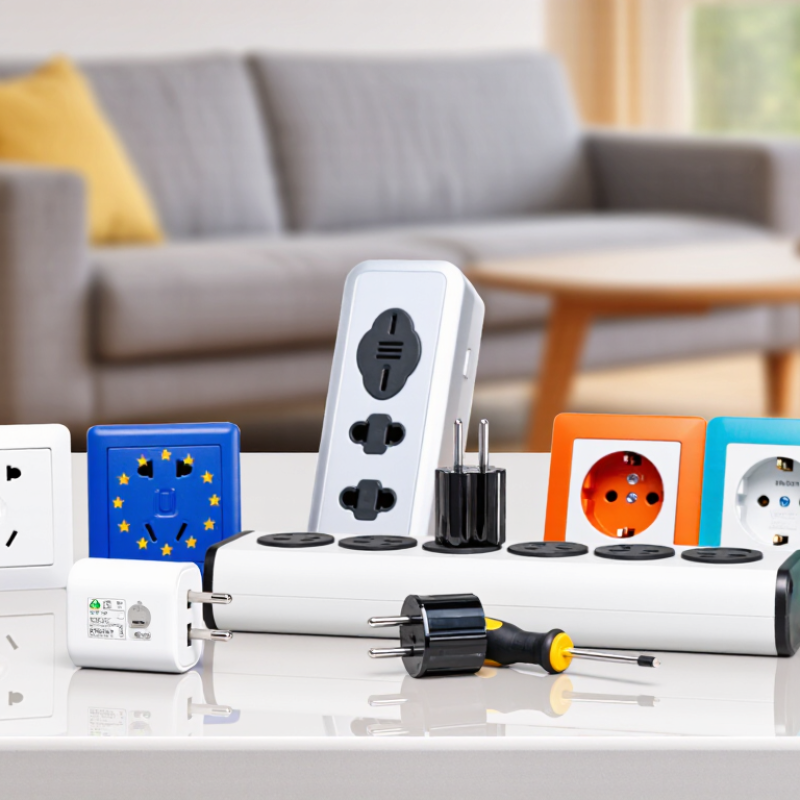
10 Tips for Buying Electrical Sockets Worldwide

Define Your Electrical Needs and Intended Use

Start with the appliance, not the socket. Note its rated voltage, frequency, and maximum current from the label or manual. Compare these figures with the supply at your destination; plug shape alone tells you very little. An adapter changes fit, not voltage. Some devices accept a wide voltage range, while others need a suitable transformer or may not be compatible. Check before packing.

Think about where and how the socket will be used. A kitchen counter may need power for several appliances at once, while a patio or bathroom calls for equipment rated for damp conditions. Check the socket’s current rating, grounding, and any required protective features. For travel, count the devices you will use together; a small multiway adapter can be overloaded. For a permanent installation, ask a qualified local electrician to confirm the requirements. I may be overcautious, but it is easy to overlook a device’s small rating label when planning a trip. A quick photo of it can save guesswork later.

Compare Plug Types and Socket Standards by Region

Plug shapes are only the visible part of regional socket standards. Type A and B are common in North America and Japan, while Type G is used in the UK. Australia and New Zealand generally use Type I. Much of continental Europe accepts Type C plugs, but grounded sockets often use other configurations, including Types E and F. Looks can mislead. A plug that seems to fit may not provide grounding or a secure connection.

Before buying a socket or travel adaptor, check the exact destination and the device label. Voltage and frequency vary by region; physical compatibility does not mean electrical compatibility. Many modern chargers accept a range of voltages, but appliances such as hair dryers may not. An adaptor changes the plug shape, not the voltage. A voltage converter may be needed, depending on the appliance. I still double-check this detail, because the small print is easy to overlook.

For fixed installations, compare the socket’s rated voltage, current, grounding, shutter design, and mounting dimensions with local requirements. Standards can differ between countries, even within one region. Look for approval from the destination’s recognized testing or certification body, and consult a qualified electrician when replacing a wall socket. A quick photo of the existing socket and a note of the appliance rating can prevent a costly mismatch. It is not a perfect shortcut, but it helps.

Check Voltage, Current Rating, Frequency, and Compatibility

Before buying an electrical socket, compare its marked voltage with the appliance’s input label and the local supply. IEC 60038:2009+A1:2021 lists standard system voltages, including 230/400 V; actual supply arrangements vary by location. A mismatch can damage equipment or create a hazard. A socket does not convert voltage. Small detail. Easy to miss.

Check the current rating too. For a simple estimate, divide an appliance’s watts by its operating voltage, then choose a socket rated for the load and suitable circuit. Follow the appliance and local installation guidance; a plug adapter does not increase capacity. Frequency matters as well: IEC 60038 covers standard supply frequencies of 50 Hz and 60 Hz. Many electronic power supplies accept both, but some motors and clocks may not. Read the fine print.

Finally, match pin shape, earthing, and polarity where applicable. IEC 60884-1:2022 covers household and similar plugs and socket-outlets rated up to 440 V and 32 A, but that scope does not mean every product suits every installation. I have found that “it fits” is an incomplete test. Check the socket’s markings and appliance manual, and ask a qualified electrician when ratings or wiring are unclear.

Electrical Supply Across Selected Countries

Compare typical nominal mains voltage and frequency before buying electrical sockets or appliances. Values are representative; verify local requirements and the ratings printed on your equipment.

Voltage and frequency compatibility do not ensure that a plug will fit a socket. Check the plug type, grounding, and socket and appliance current ratings (in amperes) separately. Use a suitable voltage converter when required; a plug adapter alone does not change voltage.

Verify Safety Certifications, Materials, and Shutter Features

When buying electrical sockets internationally, verify the safety certification against the requirements of the destination country. Standards vary, so a mark that is accepted in one market may not be sufficient elsewhere. Check the model number, voltage and current rating, and whether the certification applies to the complete socket—not just one component. Look for documentation from a recognized testing or certification body, and confirm details through its official records when available. A logo alone proves little.

Inspect the socket’s materials and finish. The faceplate should feel firm, with no sharp edges, cracks, or loose parts. Heat-resistant, flame-retardant materials matter, but sellers’ descriptions are not proof; request a technical sheet if the information is unclear. Shutters can help prevent accidental contact with live parts, especially around children. They should open only when a suitable plug’s pins enter together, and close again when the plug is removed. Do not assume every shutter design offers the same protection. Socket shapes and plug dimensions differ worldwide, so confirm compatibility before purchase. I have found product photos misleading. A close inspection, and a little doubt, are useful.

Choose the Right Socket Type, Installation Method, and Supplier

Socket selection starts with the equipment, not the product photo. Check the plug shape, voltage, frequency, grounding, and expected load for the destination market. A socket that fits mechanically may still be unsuitable electrically. Fit matters. For mixed-use spaces, consider shuttered designs, child access, moisture exposure, and how often users will unplug devices. A kitchen outlet near a sink needs different protection from one in a dry office. I would not assume that one socket type works across an entire region; local requirements and building conditions can differ.

Installation method matters just as much. Confirm whether the socket is designed for flush mounting, surface mounting, or a particular box depth. Measure the wall cavity and check cable entry points before ordering. A neat catalog can still leave gaps. Have a qualified electrician review the wiring, protective devices, and installation plan against applicable local standards. When comparing suppliers, ask for current test reports, material specifications, production traceability, and clear guidance on compatible accessories. Request a sample and inspect terminal space, screw quality, and faceplate fit. If answers about ratings or documentation are vague, pause before placing a large order. Price matters, but so do consistent batches, packaging protection, and a realistic replacement process.

10 Tips for Buying Electrical Sockets Worldwide - Choose the Right Socket Type, Installation Method, and Supplier

# Buying consideration Practical guidance What to verify
1 Match the local socket system Identify the plug type used at the installation location. For example, Type G is common in the United Kingdom, while Type I is used in Australia and New Zealand. Check local electrical rules and confirm the socket is designed for the plugs and appliances that will be used.
2 Confirm voltage and frequency Supply systems differ between countries; many use nominal supplies around 120 V or 230 V, and frequency is commonly 50 Hz or 60 Hz. A socket does not convert voltage. Compare the socket’s rating with the building supply and the connected equipment’s requirements.
3 Choose the correct current rating Select a socket rated for the intended circuit and load. Ratings and standard configurations vary by market and socket system. Check the marked voltage and current ratings; have a qualified electrician confirm circuit suitability.
4 Decide whether earthing is required Use an earthed socket where required by local rules and the connected equipment. Two-pin socket designs do not provide an earth connection. Confirm the installation has the required protective earth; never assume an adapter creates one.
5 Select the installation method Choose a flush-mounted socket for a compatible wall box or a surface-mounted model where the wiring method and location call for it. Check box dimensions, mounting centres, wall depth, cable entry, and compatibility with the existing wiring system.
6 Consider the environment For damp or dusty locations, select equipment with an enclosure protection rating suitable for the exposure. IP ratings classify protection against access, solid objects, and water. Verify the required IP rating for the specific location under local regulations; an IP rating alone does not establish suitability for every outdoor use.
7 Check safety features Depending on the market and application, useful features can include shutters, covers, or residual-current protection provided by the circuit or a dedicated device. Confirm which features are required by local codes and whether protection is built into the socket or supplied elsewhere in the installation.
8 Verify compliance and documentation Electrical products should meet the applicable national or regional requirements for the destination market. Relevant standards and conformity processes vary by jurisdiction. Request current test reports, declarations, installation instructions, and traceable product information; check claims with the relevant authority or certification body.
9 Assess the supplier Choose a supplier able to support the destination market, provide consistent specifications, and explain packaging, lead times, and after-sales arrangements. Request samples and documentation, clarify warranty and returns terms, and verify that supplied specifications match the order.
10 Plan installation and inspection Fixed wiring work should be carried out and checked by a qualified person in accordance with local electrical rules. Do not select a product based only on appearance or plug fit. Arrange professional installation, circuit testing, and any inspection or approval required for the building and location.

Note: Socket configurations, ratings, and installation requirements vary by country and application. Confirm local requirements before purchase and installation.

Go to Top