How to Start a Robotic Coffee Shop Business in 2026?
The rise of the "Robotic Coffee Shop" industry is transforming the beverage landscape. According to a recent report by Market Research Future, the global coffee shop market is expected to exceed $450 billion by 2026. This presents a significant opportunity for entrepreneurs willing to embrace automation and innovation.
Entering the robotic coffee shop space involves weighing various factors. While consumers are drawn to convenience and speed, studies from the National Coffee Association show that 79% of coffee drinkers value the experience. Thus, creating an inviting ambiance alongside automation can be a challenge. It’s essential to balance technology and personal touch.
The potential for profitability is significant, but so are the risks. A 2022 survey by IBISWorld found that 30% of new food service businesses fail within the first year. This highlights the necessity of thorough market research and adaptable strategies. As trends evolve, staying ahead requires continuous reflection and adjustment to consumer needs.
Understanding the Robotic Coffee Shop Market Trends in 2026
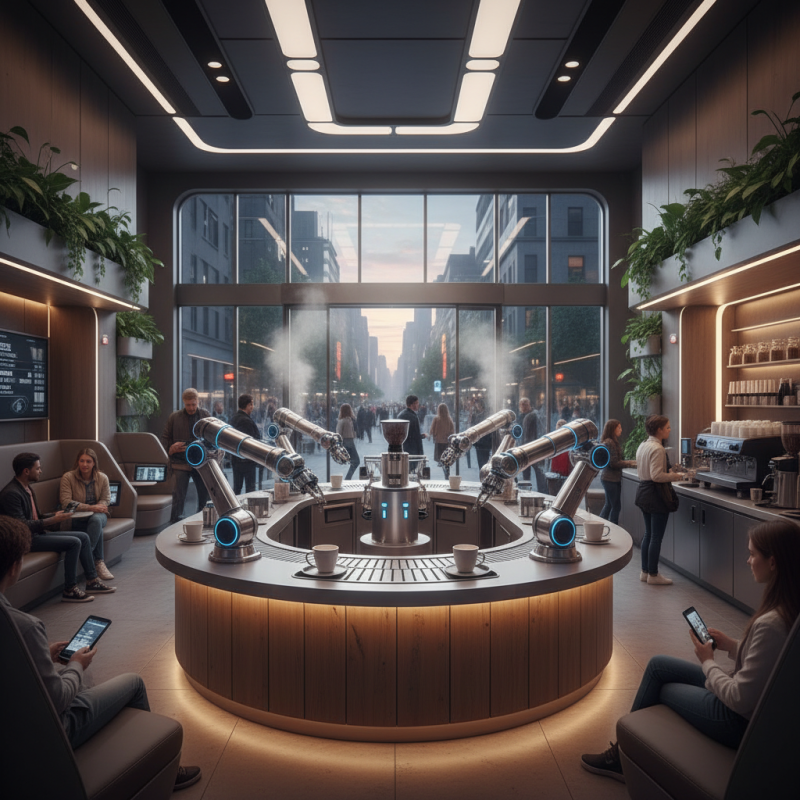
The robotic coffee shop market is rapidly evolving. In 2026, we see a significant rise in automation within the food service industry. Consumer preferences are shifting toward speed and efficiency. Many coffee lovers now expect their drinks quickly, without sacrificing quality. This trend has driven the demand for robotic systems that can make high-quality coffee in seconds.
Moreover, technological advancements have made robotic systems more reliable and user-friendly. These machines are programmed to create consistent beverages with minimal human oversight. However, the implementation of this technology poses challenges. Not all consumers are comfortable interacting with machines. A balance must be struck between automation and human connection.
The market for robotic coffee shops is diversifying. Some shops focus on specialty coffee, while others offer quick, affordable options. There is room for experimentation, but adaptability remains key. Business owners must pay attention to customer feedback. Understanding the unique preferences of a community can enhance the success of a robotic coffee shop. Embracing this dynamic market requires a willingness to innovate and a commitment to quality.
How to Start a Robotic Coffee Shop Business in 2026? - Understanding the Robotic Coffee Shop Market Trends in 2026
| Dimension | Data |
| Market Size (2026) | $1.5 Billion |
| Growth Rate (2021-2026) | 25% CAGR |
| Customer Satisfaction Rate | 85% |
| Average Cost of Equipment | $50,000 |
| Number of Robotic Units per Shop | 3-5 Units |
| Average Daily Sales | $1,200 |
| Popular Beverage Types | Espresso, Cold Brew, Lattes |
| Key Market Challenge | High Initial Investment |
Key Technologies Driving Automation in Coffee Shop Businesses
The rise of automation in coffee shops is driven by several key technologies. Robotics are transforming the way beverages are made and served. Automated baristas can prepare drinks with precision and consistency. These machines use artificial intelligence to learn customer preferences, leading to a more personalized experience.
Another essential technology is mobile ordering and payment systems. Customers can place orders through an app, reducing wait times. This feature enhances customer satisfaction but may require training to ensure smooth operations. Incorporating user-friendly interfaces is critical. The technology must be reliable; glitches can deter customers.
Data analytics also plays a vital role. Coffee shops can analyze sales data to optimize inventory and menu offerings. However, data privacy concerns must be addressed. Finding the right balance is important. Each of these technologies brings unique strengths but also challenges that must be carefully managed.
Cost Analysis: Investment and Operational Expenses for Robotic Cafés
Starting a robotic coffee shop in 2026 can be an exciting opportunity, but understanding the cost analysis is crucial. Initial investments can range from $100,000 to $250,000. Factors include purchasing robotic equipment, lease costs, and technology setup. According to industry reports, robotic café technology is projected to grow by 30% annually. This trend indicates a promising return on investment.
Operational expenses typically average around $15,000 monthly. This includes maintenance of devices, utilities, and employee salaries for non-automated roles. While labor costs may reduce, technical support will remain essential. It’s important to prepare for potential failures and downtime due to technical issues. Having a contingency plan will be wise.
Tip: Review your location. High foot traffic areas may yield better sales but will have higher lease costs. Balance between cost and potential sales is key. Additionally, consider collaborating with local suppliers to reduce ingredient costs.
Tip: Keep an eye on industry trends. Consumer preferences constantly change. Staying updated will help you adapt your menu and offerings. This adaptability is essential for long-term success in the robotic café business.
Consumer Preferences: How AI is Shaping Coffee Choices and Experiences
Consumer preferences in the coffee industry are rapidly evolving due to artificial intelligence. In 2026, coffee shops using robotic technology can expect to tailor experiences to individual tastes. AI can analyze customer data and suggest flavors based on past orders. This personal touch makes every cup feel unique.
However, reliance on technology raises questions. Some customers may miss the human interaction that classic coffee shops offer. The sensory experience of choosing coffee feels different when a robot or algorithm does the work. To address this, businesses should strive for a balance between technology and personal connection. Adding occasional barista insight or custom drink options could enhance the experience.
Moreover, insights from consumer feedback can be utilized to refine AI solutions. Gathering opinions about AI-driven recommendations can improve the service. A less-than-perfect suggestion may lead to interesting experiments in flavor combinations. Business owners must remain open to feedback and adapt their technology to meet evolving demands. Embracing both AI and customer interaction will create memorable coffee experiences in a robotic coffee shop.
Regulatory Considerations for Launching a Robotic Coffee Shop in 2026
Launching a robotic coffee shop in 2026 presents unique regulatory challenges. The first step is to understand local and national regulations concerning food safety. Hygiene standards are critical. Ensure your robotic systems meet these safety guidelines. Regular inspections may be necessary to maintain compliance.
Engaging with local authorities is crucial. Establish a relationship early in the process. They can provide insights into potential obstacles you might face. Licensing for a food establishment can vary widely. Each location has different requirements, so research is essential.
Tips: Develop a comprehensive compliance checklist. Include safety regulations, workforce training, and consumer rights. It’s vital to keep this updated. A legal team could be beneficial to navigate the complexities. Remember, robotic systems might raise questions about liability. Consult experts to prepare for unexpected legal challenges. Staying proactive can save time and resources in the long run.