How to Drink More Water Every Day?
Many people know they should Drink Water, yet a busy day can quietly replace hydration with coffee, soda, or nothing. A dry mouth during a meeting, darker urine after commuting, or a late-afternoon headache may signal that routine has slipped. Hydration is not a wellness contest. It is a daily behavior shaped by work, weather, exercise, diet, age, and health conditions.
The U.S. National Academies’ Dietary Reference Intakes report estimates total daily water intake at about 3.7 liters for men and 2.7 liters for women. These figures include water from food and all beverages, not only plain water. They are reference values, not universal prescriptions. The European Food Safety Authority also emphasizes that water needs change with temperature, activity, and diet. That matters on a humid walk or after a salty lunch.
A practical plan begins with visible cues. Keep a 500-milliliter bottle near your keyboard. Drink several sips when you wake, eat, and return from outside. Refill it before it becomes empty. The Centers for Disease Control and Prevention recommends choosing water instead of sugary drinks, supporting healthier beverage habits. Still, forcing excessive water can be unsafe, especially for people with kidney, heart, or liver conditions. Professional guidance should come first.
There is no perfect schedule.
The better question is simple: what reminder can survive your busiest day? This guide explores realistic habits, evidence-based targets, and common mistakes. It also admits an uncomfortable truth: motivation fades. A reliable environment often works better than willpower.
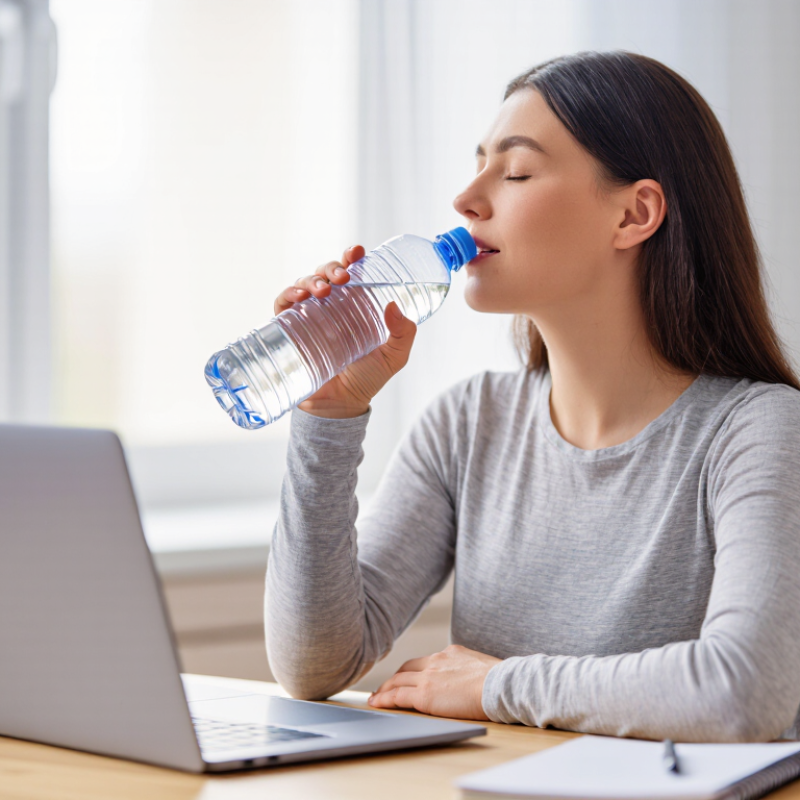
Understanding Daily Water Needs
How to Drink More Water Every Day?
Understanding Daily Water Needs
Daily water needs are not one fixed number. The National Academies of Sciences, Engineering, and Medicine reports adequate total water intakes of about 3.7 liters for men and 2.7 liters for women. These figures include water from drinks and food, not just plain water. Food often contributes nearly 20 percent of daily fluid intake.
Your body may need more during exercise, hot weather, pregnancy, breastfeeding, or illness. The European Food Safety Authority suggests about 2.5 liters of total water daily for adult men and 2.0 liters for adult women under ordinary conditions. The difference reflects different methods and populations. These numbers guide decisions, but they are not personal prescriptions.
Use simple signals. Pale-yellow urine usually suggests reasonable hydration, while dark urine can indicate a need for more fluids. Do not force large amounts quickly. Sip a glass after waking, keep water beside your desk, and drink with meals. A refillable bottle can make intake visible, although I sometimes forget it in another room. That habit needs fixing.
Caffeine-containing drinks can contribute to fluid intake, but water remains an easy default. During long workouts, sweat loss matters more than a rigid daily target. Weighing before and after exercise may reveal meaningful fluid loss, but home measurements are imperfect. People with kidney, heart, or liver conditions should ask a qualified clinician about individual limits.
Assessing Your Current Hydration Habits
Before trying to drink more water, examine what you already drink. I kept a three-day hydration log and recorded each glass, meal, workout, and bathroom visit. The results surprised me. I drank very little before noon, then consumed several glasses late at night. That pattern disturbed my sleep.
Your routine may reveal similar gaps. Notice whether your mouth feels dry after meetings or exercise. Check your urine occasionally; pale yellow often suggests adequate hydration, while consistently dark urine may signal a need for more fluids. This clue is not perfect. Certain foods, supplements, and medicines can change urine color. Headaches and tiredness can also have many causes.
Measure your usual cup at home. A small cup may hold much less than you assume. Include water-rich foods such as soup, oranges, and cucumbers in your notes. Coffee and tea still provide fluid, although added sugar can change the nutritional picture. During hot weather or intense exercise, fluid needs may rise, especially with heavy sweating. I sometimes forget to log refills, so my records are incomplete. That weakness matters. A hydration assessment is only useful when it reflects real habits.
Avoid chasing a fixed daily amount without context. Body size, climate, activity, diet, and health conditions all influence fluid needs. People with kidney, heart, or other medical conditions should ask a qualified clinician for personal guidance. Small observations are more reliable than dramatic changes.
Using Simple Reminders and Healthy Hydration Strategies
On busy workdays, I often realize at 3 p.m. that I have barely touched my water. A simple reminder helps more than willpower. I set quiet alerts around breakfast, midmorning, lunch, and late afternoon. Each alert tells me to drink a small glass, not an unrealistic amount. This habit feels manageable and prevents rushed drinking at night.
I also keep water where I can see it. A glass beside my keyboard becomes a visual cue. Before leaving home, I fill a reusable bottle and check it during routine moments, such as commuting or waiting for food. Plain water works well, but adding lemon, cucumber, or mint can make it more appealing.
Unsweetened herbal drinks and water-rich foods can also support daily fluid intake.
Hydration needs differ with body size, activity, weather, and health conditions. During exercise or hot weather, I drink more gradually and pay attention to thirst, energy, and urine color. Pale yellow urine often suggests reasonable hydration, though it is not a perfect test. I used to force large amounts quickly, which made me uncomfortable and did not improve my routine. A healthcare professional can offer safer advice for people with kidney, heart, or other medical conditions. Small reminders work better for me than strict targets, although I still forget sometimes.
Tracking Progress and Adjusting Your Routine
How to Drink More Water Every Day?
Tracking Progress and Adjusting Your Routine
A simple record can make hydration more practical. I keep a reusable bottle beside my laptop and mark each refill in my notes. This takes less than a minute. I also record the time, weather, exercise, and how thirsty I feel. These details reveal patterns that a fixed target can miss. On hot afternoons, I usually need more water. During quiet indoor days, I need less.
My first routine failed because I tried to drink a large glass every hour. It made me uncomfortable and distracted me from work. I adjusted by drinking smaller amounts with breakfast, lunch, and dinner. I added one glass after walking or exercising. The plan became easier to follow. Still, I sometimes forget the afternoon refill. That weakness matters because an unrealistic routine will not last.
At the end of each week, I review my notes without judging myself. I ask whether thirst, headaches, dark urine, or fatigue appeared. These signs can have many causes, so they should not replace professional medical advice. People with kidney, heart, or other medical conditions may need specific fluid guidance. If my schedule changes, I change the reminders too. Progress means finding a pattern that fits real life, not forcing the same amount every day.