What is a Rotating Machine and How Does It Work?
Rotating Machines are essential in many industries, driving productivity and efficiency. According to a report by the International Energy Agency, they account for nearly 65% of global electricity consumption. These machines convert electrical energy into mechanical energy, impacting sectors from manufacturing to transportation.
The technology behind rotating machines is complex yet fascinating. Motors, generators, and turbines are common examples. Each plays a vital role in our daily lives. However, not all rotating machines perform optimally. Many suffer from inefficiencies or failures, raising concerns about reliability and maintenance.
Industry data highlights that machine downtime can lead to significant economic losses. For example, unplanned outages in manufacturing can cost companies over $50 billion annually. Understanding the workings of rotating machines is crucial. It allows for the improvement of designs and operational practices to enhance efficiency and reduce costs. The more we delve into this topic, the more we realize the importance of ongoing research and innovation.
What Defines a Rotating Machine?
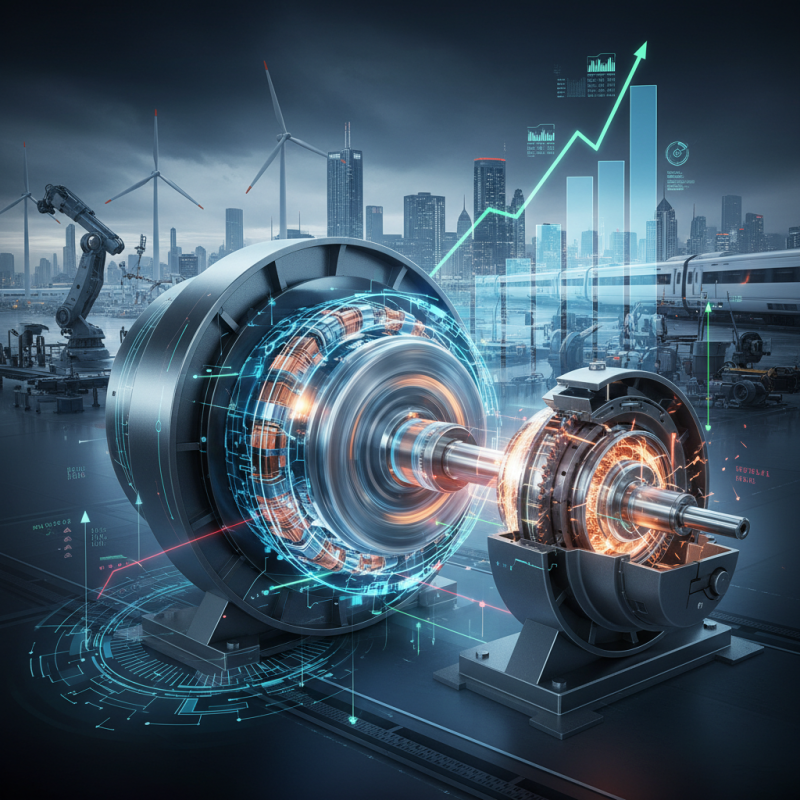
Rotating machines are essential in converting energy into motion. They are defined primarily by their rotating components. Common examples include electric motors, turbines, and generators. Each of these machines relies on rotational movement to function effectively. Typically, this motion is driven by forces such as electromagnetism or steam pressure.
The anatomy of a rotating machine often consists of a rotor and a stator. The rotor is the moving part, while the stator remains static. The interaction between these components plays a crucial role in how these machines operate. A well-balanced rotor is essential to ensure efficiency. If it is off-balance, vibrations can occur, leading to mechanical failure. This imbalance could arise from manufacturing defects or wear over time. Reflecting on these challenges highlights the importance of regular maintenance.
Understanding the principles behind rotating machines requires careful observation. Sometimes, we overlook the complexities. Signs of inefficiency may be subtle, yet they can indicate deeper issues. Awareness of these potential pitfalls helps in preventing unexpected breakdowns. Taking time to analyze the behaviors of these machines can reveal much about their operation. Observations like unusual noises or temperatures offer valuable insights.
Common Types of Rotating Machines and Their Applications
Rotating machines are essential in various industries. They convert energy into mechanical work. Common types include motors, turbines, and generators. Each has unique applications.
Electric motors are widely used in appliances. They power fans, pumps, and compressors. In contrast, turbines play a crucial role in power generation. They transform energy from steam or water into electricity.
Generators convert mechanical energy back into electrical energy, often found in backup systems.
The efficiency of these machines varies. Some run smoothly, but others may have performance issues. Motors can overheat, and turbines might require extensive maintenance. It's vital to understand these limitations for optimal operation. Exploring alternatives could enhance efficiency and reduce operational costs.
The Fundamental Principles Behind Rotating Machine Operations
Rotating machines are essential in various industries. They convert energy from one form to another. Principles of operation include electromagnetism and mechanical motion. The efficiency of these machines often reaches 95%. However, even a small imbalance can cause significant performance issues. Maintaining balance is crucial to avoid unwanted vibrations.
One key concept is torque, the rotational force produced by these machines. Higher torque usually means better performance. For example, electric motors can produce constant torque over a range of speeds. This characteristic is valuable in applications requiring consistent power output. It's worth noting that thermal management is an often overlooked aspect. Overheating can lead to failures.
Tips: Regular maintenance keeps machines running efficiently. Check for signs of wear and tear. Replace components before they fail. Monitor vibration levels to ensure balance.
In some cases, users may overlook the importance of proper installation. Misalignment can cause premature wear. Adjust installation techniques to minimize this risk. Proper alignment can increase efficiency by up to 30%. Consistent performance depends on understanding these principles and implementing best practices.
Key Components of a Rotating Machine and Their Functions
Rotating machines are essential in various industries, converting energy into mechanical motion. These machines typically comprise several key components that play crucial roles. The most significant parts include the rotor, stator, bearings, and housing. Each component functions together to create efficient operations.
The rotor, for instance, rotates within the stator and generates magnetic or mechanical energy. According to recent studies by the International Energy Agency, efficient rotor designs can improve overall machine productivity by up to 20%. Meanwhile, the stator, which remains stationary, acts as the electromagnetic field source, crucial for accelerating the rotor. The effectiveness of the stator's design significantly impacts the energy consumption and performance of the machine.
Bearings are another critical component, supporting the rotor's rotation while minimizing friction. Innovative bearing materials and technologies can enhance lifespan and reduce maintenance frequency. Notably, bearing failure accounts for about 30% of all rotating machine failures, as reported in engineering journals. Housing provides protection and stability, yet its design may sometimes limit airflow and cooling. Overall, understanding these components helps improve the design and function of rotating machines, highlighting areas for enhancement and future development.
What is a Rotating Machine and How Does It Work?
| Component | Function | Material |
| Rotor | The rotating part that converts electrical energy into mechanical energy | Copper, Aluminum |
| Stator | The stationary part that generates magnetic fields | Steel, Iron |
| Bearings | Supports and reduces friction between the rotor and stator | Steel, Ceramic |
| Commutator | Reverses the direction of current in the rotor winding | Copper, Carbon |
| Windings | Conduct current and create a magnetic field | Copper, Aluminum |
| Frame | Provides structural support and protection for components | Cast Iron, Steel |
Advantages and Limitations of Rotating Machines in Various Industries
Rotating machines are vital in various industries. They include motors, turbines, and generators. Each type has distinct advantages and limitations. For instance, the efficiency of electric motors can exceed 90%, making them a popular choice in manufacturing. However, they often have higher upfront costs compared to fixed machines.
In the aerospace industry, jet engines rely on rotating components. They deliver power efficiently. Yet, maintenance can be complex and costly. A recent study indicated that maintenance accounts for nearly 25% of aerospace operational costs. Understanding these factors can help businesses make better decisions.
Tips: Focus on optimizing machine placement. Proper alignment can enhance performance. Regular maintenance schedules are key to minimizing unexpected downtime. Assess energy consumption to identify potential savings. Businesses should weigh the benefits against the drawbacks, especially in terms of costs and reliability.
Advantages and Limitations of Rotating Machines in Various Industries