
What is PVC Tarpaulin and How is it Used?
PVC Tarpaulin is a versatile material used in various applications. It consists of a durable plastic that is resistant to water and UV rays. Many industries rely on PVC Tarpaulin for its strength and durability.
One common use is for outdoor signage and covers. Businesses often utilize PVC Tarpaulin for banners that withstand the elements. Its lightweight nature makes it easy to transport and install. The ability to print vibrant colors makes it appealing for advertisement.
However, not all applications go as planned. Some users overlook the importance of proper care. Without maintenance, the material can degrade over time. This oversight can lead to wasted resources and missed opportunities. Understanding how to care for PVC Tarpaulin is crucial to maximizing its benefits.
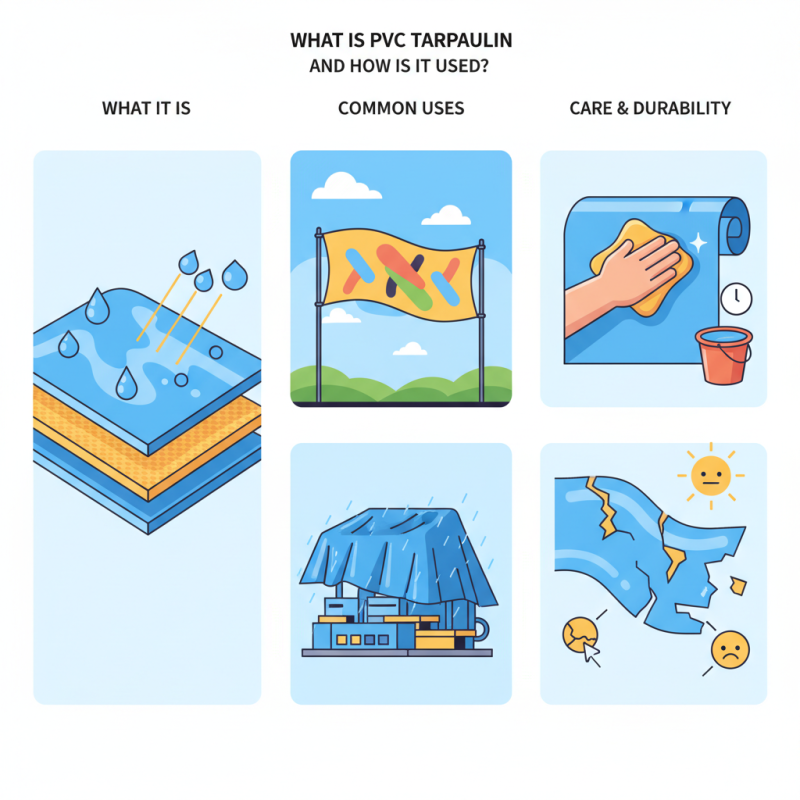
What is PVC Tarpaulin? Definition and Material Composition
PVC tarpaulin is a versatile material widely used for various applications. It is made from polyvinyl chloride, giving it durability and flexibility. This material is waterproof and resistant to UV rays, making it ideal for both indoor and outdoor use. Typically, PVC tarpaulin comes in different thicknesses and colors, catering to diverse needs.
When using PVC tarpaulin, consider the specific requirements of your project. For instance, lighter gauges are suitable for temporary covers, while thicker variants are perfect for more demanding conditions. Ensure that the edges are securely fastened to prevent wear and tear. Regular maintenance can also extend the life of the tarpaulin, so check for any damages frequently.
Tip: When selecting PVC tarpaulin, examine the weight and coating. A heavier tarp usually offers better longevity.
While PVC tarpaulin is robust, it may not be entirely eco-friendly. Reflect on the disposal methods of this material since plastic can have adverse environmental impacts. Explore recycling options to mitigate its ecological footprint.
Tip: Look for local recycling facilities that accept PVC products. Help minimize environmental damage while utilizing PVC tarpaulin effectively.
Key Properties of PVC Tarpaulin: Durability, Flexibility, and Waterproofing
PVC tarpaulin is a versatile material known for its durability, flexibility, and waterproofing properties. It’s made from polyvinyl chloride, giving it a strong and resistant structure. This material can withstand various weather conditions, making it ideal for outdoor applications.
One notable characteristic of PVC tarpaulin is its durability. It resists tearing and abrasion, which is crucial for items that experience constant wear and tear, like truck covers and tents. However, improper storage or exposure to extreme temperatures can reduce its lifespan.
Flexibility is another key advantage. PVC tarpaulin remains manageable even in cold conditions. This makes it easier to handle and install. Yet, users often overlook the importance of proper handling. A little care goes a long way in extending its usability.
Waterproofing is what sets PVC tarpaulin apart. It prevents water from seeping through, making it suitable for various uses like agriculture or construction. But, it is vital to check seams and edges, which can become weak over time. Regular inspections ensure reliability.
Tips: Always keep tarpaulin clean and dry when storing. This prevents mold and prolongs its use. Avoid exposure to sharp objects; they can puncture the surface.
Common Applications of PVC Tarpaulin in Industries and Daily Life
PVC tarpaulin is a versatile material used in various industries and everyday life. Common applications include truck covers, tents, and protective sheets. This durability comes from its strong, waterproof nature, making it ideal for outdoor use. According to the PVC Industry Association, the global demand for PVC tarpaulin is expected to grow by 4.5% annually. This indicates its significance across numerous sectors.
In agriculture, PVC tarpaulins shield equipment from harsh elements. Farmers often use them to cover machinery. This practice can prolong the life of their tools. In construction, they serve as effective safety nets. They can catch falling debris, protecting workers below. However, it's crucial to properly secure tarpaulins to prevent accidents.
**Tips:** Always check the weight rating of your tarpaulin to ensure it meets your needs. For personal projects, consider using tarpaulin for DIY awnings or portable shelters. Just remember that improper use can lead to wear and tear, impacting effectiveness.
What is PVC Tarpaulin and How is it Used? - Common Applications of PVC Tarpaulin in Industries and Daily Life
| Application | Industry | Description | Benefits |
|---|---|---|---|
| Truck Covers | Transportation | Protects goods from weather and road debris. | Durable, weather-resistant, and easy to clean. |
| Construction Site Privacy Screens | Construction | Blocks visibility into the construction area while providing safety. | Enhances security and reduces dust exposure. |
| Tents and Canopies | Event Management | Used for outdoor events to provide shelter and decoration. | Waterproof, UV resistant, and available in various colors. |
| Advertisement Banners | Marketing | Displays promotional content for businesses. | Vibrant printing quality and durable for outdoor use. |
| Aquaculture Liners | Agriculture | Used in fish farms to contain water and keep fish safe. | Non-toxic, durable, and resistant to chemicals. |
Environmental Impact and Sustainability of PVC Tarpaulin Production
PVC tarpaulin is widely used in various industries due to its durability. However, its production raises significant environmental concerns. The process involves releasing harmful chemicals that can pollute air and water. These emissions contribute to global warming and create toxic waste.
Many manufacturers have begun to assess the sustainability of their production methods. They explore alternatives to reduce their carbon footprint. Recycling PVC tarpaulin is one option, yet it is not always effective. The recycling process itself can generate more waste and energy consumption.
Consumers also play a vital role in encouraging eco-friendly practices. By choosing sustainable products, they push manufacturers to innovate. However, awareness of these issues remains limited. It is essential to educate the public about the implications of PVC tarpaulin. Recognizing the need for responsible consumption can lead to positive changes in the industry.
Environmental Impact of PVC Tarpaulin Production
This chart illustrates the environmental impact metrics associated with PVC tarpaulin production, including water usage, energy consumption, CO2 emissions, and waste production. Understanding these metrics is vital for assessing the sustainability of PVC tarpaulin as a material.
Maintenance and Care Tips for Extending PVC Tarpaulin Lifespan
PVC tarpaulin is a versatile material, commonly used for outdoor applications. To ensure its longevity, proper maintenance and care are essential. Regular cleaning is crucial. Dust, dirt, and grime can accumulate over time. A simple rinse with water can be enough for minor dirt. For stubborn stains, use mild soap and water. Avoid harsh chemicals; they can damage the surface.
Tips: Always dry the tarpaulin completely before storing it. Moisture can lead to mold and mildew, which are hard to remove. Store the tarpaulin in a cool, dry place. If it's folded, ensure it is not creased to prevent wear. Regularly inspect for any tears or damage, as ignoring small issues can lead to bigger problems later on.
In addition, avoid exposing the tarpaulin to extreme temperatures. It can become brittle or lose its flexibility. If you notice any discoloration, reevaluate how it is being stored or used. The right handling techniques can greatly extend its lifespan. Remember to prioritize care; it truly makes a difference.