What is a Packing Machine and How Does It Work?
A Packing machine is an essential tool in modern manufacturing and logistics. It automates the process of packaging products, making it faster and more efficient. These machines come in various types, from simple hand-operated ones to advanced automated systems. The effectiveness of a packing machine can significantly influence the overall productivity of a business.
Understanding how a packing machine works is vital for companies looking to improve their operations. The machine typically uses specific mechanisms for filling, sealing, and labeling products. Yet, not all packing machines perform flawlessly. They can be prone to malfunctions, leading to delays or increased costs. Regular maintenance and operator training are crucial to minimize issues, yet challenges may still arise.
In this article, we will explore the function, design, and advantages of packing machines. We aim to provide insights that can help businesses assess their packaging processes. Knowing how a packing machine operates can lead to better decisions in production and packaging strategies. By evaluating these aspects, companies can foster a more reliable and efficient supply chain.
What Is a Packing Machine? An Overview of Its Functionality
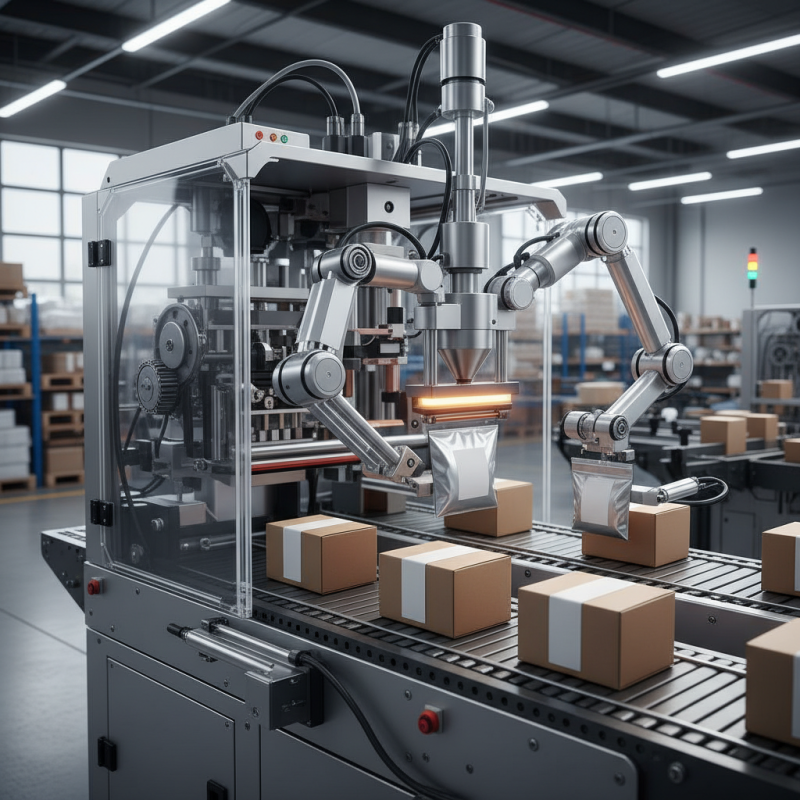
A packing machine is an essential tool in the packaging industry. It automates the process of packing products for shipping or sale. These machines come in various types, including vertical and horizontal forms, depending on the products being packed. They can handle items such as food, electronics, and pharmaceuticals. With the right settings, they enhance efficiency and ensure consistency in packaging.
The functionality of a packing machine is quite intricate. It typically consists of a conveyor belt, filling system, and sealing mechanism. The conveyor belt transports products to the filling area. Here, the items are measured and filled into packaging materials. The sealing mechanism then securely closes the packages, preparing them for distribution. Adjustments may be needed for different products, which can lead to occasional challenges in operation. Sometimes, the settings might not fit every item perfectly, requiring manual correction.
Overall, packing machines streamline operations in various sectors. However, they demand careful monitoring and regular maintenance. Downtime due to technical issues can disrupt production flows. Understanding these machines is vital for optimizing their use and addressing any potential shortcomings. Packing machines are impressive tools that require attention to detail and experienced operators for the best outcomes.
The Historical Development of Packing Machines in the Packaging Industry
The evolution of packing machines traces back to the early days of industrialization. Initially, packaging was a manual process. Workers wrapped products by hand, a method that was time-consuming and inefficient. As demand for goods increased, manufacturers sought ways to streamline this process. The first mechanical packing machines appeared in the late 19th century, revolutionizing the industry.
In the decades that followed, packing machines evolved rapidly. The introduction of electricity in the early 20th century allowed for more sophisticated designs. Machines not only filled and sealed packages but also labeled them. This meant that products could reach consumers faster and in better condition. However, while these advancements improved efficiency, they sometimes led to quality concerns. The reliance on machines introduced variability in packaging integrity, prompting industry experts to call for better standards.
By the late 20th century, automation took a front seat. Advanced packing machines began to offer precision and speed. Still, the balance between speed and quality remained a challenge. Some machines would malfunction, leading to product wastage or packaging errors. This resulted in ongoing discussions about the importance of human oversight even in automated processes. Despite these imperfections, the historical development of packing machines has undeniably shaped modern packaging practices.
Historical Development of Packing Machines in the Packaging Industry
Types of Packing Machines and Their Applications in Various Sectors
Packing machines play a crucial role in various industries. They automate packaging processes, increasing efficiency and consistency. In the food sector, these machines package everything from snacks to frozen meals. Each type of machine is designed for specific materials and product forms. For instance, vacuum sealers protect food from spoilage.
In pharmaceuticals, packing machines ensure that medications are sealed securely. They also provide tamper-evident packaging, which is vital for consumer safety. Bottling lines, often used in beverages, help fill and cap bottles at high speeds. This requires precision to avoid product wastage.
Challenges exist in adopting the right packing machine. Each industry has unique needs, and one solution might not fit all. Customization can be costly and time-consuming. Regular maintenance is also essential to prevent breakdowns. Mistakes in packaging can lead to financial losses and brand damage. Users must continuously assess their operations for improvements.
Key Components and Technologies in Modern Packing Machines
Modern packing machines incorporate several key components and technologies that enhance their efficiency and reliability. One vital element is the conveyor system. This system transports products quickly throughout the packaging process. It prevents bottlenecks and helps maintain a steady workflow. Moreover, automation is increasingly important. Automated systems reduce human error and improve consistency in packaging. However, the design must balance speed with precision. If not, quality could suffer.
Another essential component is the sealing mechanism. This can include heat sealers, vacuum systems, or ultrasonic seals. Each method has its advantages and drawbacks. For example, heat sealing is effective but requires careful temperature control. Too much heat can damage products. On the other hand, vacuum sealing preserves freshness but may not work for all items. Manufacturers must consider the specific needs of their products before choosing a sealing method.
Moreover, today's packing machines often utilize advanced technologies, such as sensors and IoT connectivity. Sensors monitor product flow and adjust settings in real-time. This enhances efficiency and reduces waste. Incorporating IoT allows for data collection and analysis, leading to improved performance over time. Yet, reliance on technology can be a double-edged sword. Technical failures can disrupt operations, highlighting the need for regular maintenance and backup plans. Balancing innovation with practical challenges is essential for success in this field.
Industry Statistics: The Impact of Packing Machines on Production Efficiency
Packing machines are vital in modern manufacturing. They significantly enhance production efficiency across various industries. Statistics show that businesses using advanced packing machines can boost their operational output by up to 30%. This improvement stems from automation, which reduces manual labor and speeds up the packing process. The ability to pack products rapidly helps manufacturers meet growing consumer demand promptly.
Many industries have reported enhanced precision in packaging dimensions and materials. This leads to fewer returns and increased customer satisfaction. However, a reliance on automation can sometimes overlook the importance of skilled labor. Workers should be trained to maintain and troubleshoot these machines effectively. There is a risk of over-dependence on technology, which can result in challenges if a machine malfunctions. Balancing machine efficiency with human oversight is essential for sustainable growth.
Adopting packing machines necessitates a thoughtful approach. It’s crucial to assess their impact on overall production workflows. While the benefits are evident, examining potential downsides ensures a holistic understanding. Continuous evaluation of machine performance can prevent unexpected issues and uphold quality standards.