Fast Casual Restaurant Packaging Tips for Global Buyers?
In the competitive world of dining, "Fast Casual Restaurant Packaging" plays a crucial role in attracting customers. Global buyers seek innovative packaging solutions that not only protect food but also enhance the customer experience. Effective packaging can elevate the brand image and ensure sustainability, which is increasingly important.
Moreover, many restaurants struggle to find the right balance between functionality and aesthetics. Packaging must be eye-catching, yet practical. It should reflect the restaurant's identity while being environmentally friendly. This challenge presents an opportunity for brands to stand out.
Fast casual establishments must also consider the preferences of diverse customer bases. Packaging that aligns with cultural values can foster loyalty. This requires careful research and an understanding of global trends. In a world that values experiences, packaging should tell a story. Investing in thoughtful design can lead to meaningful connections with customers.
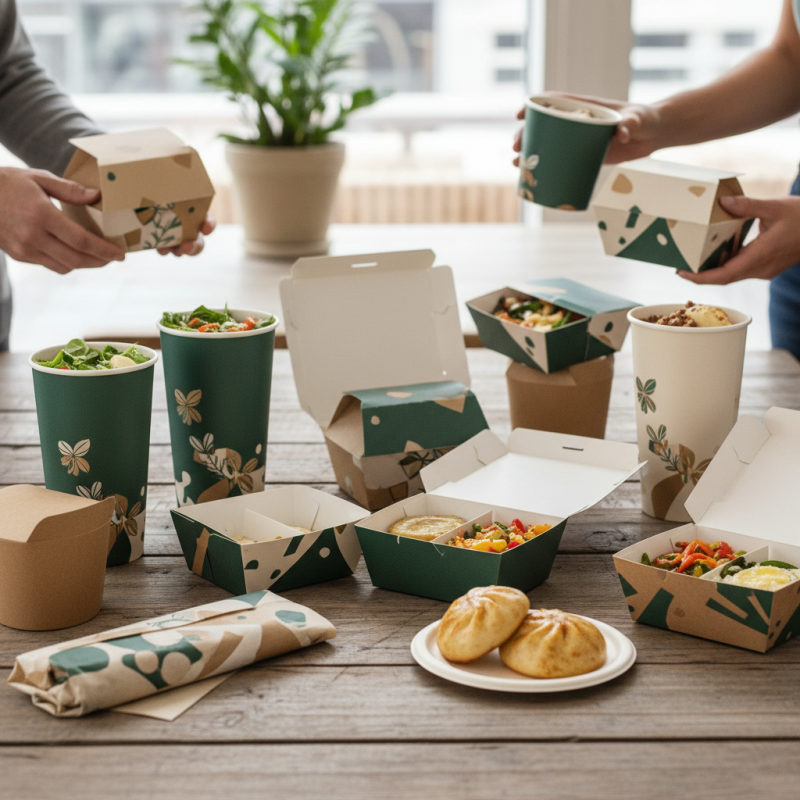
Identifying Key Packaging Elements for Fast Casual Restaurants
When designing packaging for fast casual restaurants, focus on functionality and aesthetics. Packaging must preserve food quality while being visually appealing. Consider using eco-friendly materials. Customers appreciate sustainable choices. They often share their experiences online, influencing others.
Next, ensure your packaging communicates your brand’s identity. Use colors, graphics, and fonts that reflect your restaurant’s style. Eye-catching designs grab attention and create memorable impressions. However, remember that clarity is key. Overly complex designs may confuse customers.
Lastly, don't overlook practicality. Packaging should be easy to handle and functional for both dine-in and takeout. Test different prototypes to find the best fit. Gathering feedback from customers can reveal unexpected insights. There can be flaws in the functionality that need addressing. It’s essential to remain adaptable and open to making changes based on real-world usage.
Sustainability in Fast Casual Restaurant Packaging Solutions
Sustainability is a crucial consideration in fast casual restaurant packaging solutions. Consumers increasingly demand eco-friendly practices. A recent report shows that 73% of customers prefer sustainable packaging options. This trend is reshaping how restaurants approach their packaging decisions.
One effective tip is to opt for biodegradable materials. Products made from plant-based sources break down more easily and reduce landfill waste. Implementing compostable containers can also resonate well with eco-conscious diners. Pay attention to certifications, as they reassure customers about your sustainability claims.
Additionally, focus on reducing packaging size. Streamlined packaging minimizes material use and transportation emissions. Smaller packages often require fewer resources. A study revealed that 55% of diners are willing to pay more for meals with reduced packaging waste. Balancing aesthetics and function is tricky, but using clear labeling can enhance transparency and build trust. Packaging must reflect your sustainability commitment while remaining practical for everyday use.
Designing Packaging for Food Safety and Freshness
In the fast casual restaurant industry, packaging plays a crucial role in ensuring food safety and maintaining freshness. According to a recent report from Food Packaging Forum, 60% of consumers are concerned about food safety when dining out. This statistic highlights the need for effective packaging solutions. Packaging must seamlessly protect food from contamination while also retaining its freshness, making material choice essential.
Adopting environmentally friendly materials is a growing trend. The same report indicates that 50% of consumers prefer brands that use sustainable packaging. Biodegradable and recyclable options can minimize the environmental footprint. However, these materials must be carefully tested. For instance, many biodegradable options may not protect against moisture as effectively as their plastic counterparts. This gap raises questions about the balance between sustainability and functionality.
Additionally, packaging design should consider temperature control. Insulated packaging can prolong freshness by managing heat retention. According to the Institute of Food Technologists, improper temperature control can lead to food spoilage in 30% of cases. A thoughtful design can mitigate this risk. Yet, it can sometimes lead to increased costs, creating challenges for restaurants aiming to offer affordable options. This ongoing dialogue reflects the complexity of balancing safety, cost, and consumer expectations.
Considerations for Cultural Sensitivity in Packaging Designs
When designing packaging for fast casual restaurants, cultural sensitivity is paramount. A study from Mintel reported that 75% of consumers prefer brands that reflect their cultural values. This statistic illustrates the need for thoughtful design. For example, colors and symbols can hold different meanings across cultures. Red can symbolize luck in some countries, but it may signify danger in others. Packaging must resonate with the target audience.
Furthermore, language plays a crucial role in packaging design. A poorly translated slogan or message can alienate potential customers. According to research by Nielsen, 60% of consumers will not buy a product if the packaging has language errors. Simple, clear communication is essential. Consider incorporating local dialects or symbols to build a connection with the consumer.
In addition to visual aspects, sustainability is an increasing concern. Many countries have specific regulations regarding packaging waste. A report by Euromonitor International showed that 50% of consumers are willing to pay more for sustainable packaging. This preference suggests a growing responsibility for brands. Ignoring these trends can lead to missed opportunities and backlash. Engaging in meaningful practices is becoming crucial for success.
Fast Casual Restaurant Packaging Tips for Global Buyers
| Aspect | Consideration | Example |
| Material | Sustainable and eco-friendly options | Biodegradable containers |
| Color | Culturally interpretable color schemes | Avoid red in certain cultures |
| Graphics | Incorporate local symbols | Using traditional patterns |
| Language | Local language and dialect preferences | Descriptive labels in native language |
| Cultural Norms | Respect dietary restrictions | Halal or kosher certifications |
| Sizing | Portion sizes based on regional preferences | Smaller sizes in upscale markets |
Trends in Fast Casual Restaurant Packaging for Global Markets
In recent years, the fast casual restaurant sector has seen significant shifts in packaging trends. Global consumers now demand eco-friendly solutions that reduce waste and enhance sustainability. Packaging must now be not only functional but also visually appealing. Innovative designs and materials can elevate a brand's perception in competitive markets.
When considering packaging, prioritize materials that are recyclable or biodegradable. Customers appreciate brands that contribute to environmental well-being. Additionally, engaging graphic designs can tell a story about the brand’s values, linking the customer to the restaurant’s mission.
Consider smaller portions for takeout. This approach addresses waste and appeals to portion-conscious diners. It might be worthwhile to experiment with unique packaging formats, like reusable containers. Offering incentives for returns can enhance customer loyalty too. Reflecting on consumer behavior and packaging impact is crucial as trends continue to evolve.