Why is Indoor Tracking Essential for Modern Businesses?
In the rapidly evolving landscape of modern business, Indoor Tracking has emerged as a vital tool. This technology provides companies with the ability to monitor and analyze customer behavior within their physical spaces. By leveraging indoor positioning systems, businesses can optimize layouts, enhance customer experiences, and increase operational efficiency.
Precision matters. Indoor Tracking enables real-time data collection, helping retailers understand foot traffic patterns. This insight allows for strategic decision-making. For instance, businesses can identify high-traffic areas and tailor promotions accordingly. However, without proper implementation, the potential of Indoor Tracking can remain untapped. Some companies struggle with data accuracy, leading to misguided strategies.
Moreover, privacy concerns can arise, making trust essential. Companies must demonstrate responsibility in handling customer data. Establishing clear protocols and transparent policies is crucial for fostering customer confidence. In an era where data-driven decisions shape success, embracing Indoor Tracking can redefine a business's trajectory. Yet, the journey requires careful consideration and constant reflection on best practices.
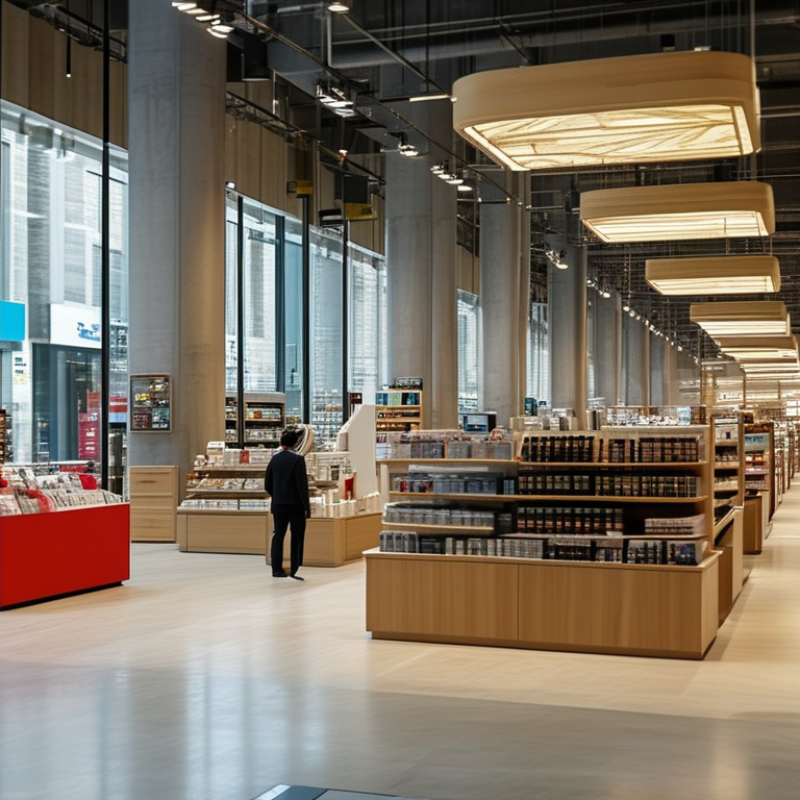
The Importance of Indoor Tracking in the Digital Age
Indoor tracking has become crucial for businesses navigating the complexities of the digital age. As customers demand more personalized experiences, understanding their behavior within physical spaces is essential. Indoor tracking technologies provide insights into foot traffic patterns and preferences. This data can enhance service delivery, optimize space utilization, and streamline operations.
However, many businesses struggle to implement effective tracking solutions. They may face technical challenges or resistance from staff. Data privacy concerns also loom large. Customers might feel unsettled knowing they are being tracked. Striking a balance between data utilization and privacy is key. Organizations need to communicate clearly with customers about how their data is used.
In the quest for innovation, it is vital to be transparent. The adoption of indoor tracking should aim to improve customer experience while ensuring ethical considerations. This ongoing dialogue fosters trust and can drive longer-term loyalty. Success in utilizing indoor tracking depends not only on technology but also on a thoughtful approach that encompasses customer concerns and business goals.
Importance of Indoor Tracking in Modern Businesses
The chart below illustrates the increasing importance of indoor tracking technologies for businesses over the past five years, reflecting the growing need for enhanced customer experience and operational efficiency.
How Indoor Tracking Enhances Operational Efficiency for Businesses
Indoor tracking is pivotal for businesses aiming to optimize their operations. By utilizing indoor tracking technology, companies can streamline processes and enhance overall efficiency. This technology allows businesses to monitor assets and employees in real time, reducing time waste and increasing productivity. Imagine knowing the exact location of your equipment at any given moment. It minimizes the chances of loss and improves resource allocation.
Tracking can reveal patterns in employee movement. Companies might discover that certain areas within their space are underutilized. This insight can inform strategic changes, such as adjusting layouts or reallocating resources. Moreover, effective indoor tracking can significantly enhance customer experience. Businesses can analyze foot traffic patterns to decide how to arrange products, ensuring popular items are easily accessible.
Tips:
Incorporate feedback loops. Regularly assess your tracking data and adjust strategies accordingly.
Consider employee privacy. Ensure that tracking systems respect the comfort and rights of your team.
Invest in training. Equip your staff with the skills to utilize tracking tools effectively.
Key Technologies Driving Indoor Tracking Solutions
Indoor tracking has become a cornerstone for modern businesses, driven by various emerging technologies. Bluetooth beacons, for instance, enable precise location tracking within retail environments. These devices communicate with smartphones, delivering tailored promotions directly to customers. This enhances the shopping experience but raises concerns over privacy and data security. Businesses must tread carefully when implementing such solutions.
Wi-Fi triangulation is another critical technology. It allows companies to track customer movement patterns by analyzing Wi-Fi signals. This data can help businesses optimize store layouts and improve service efficiency. However, depending solely on Wi-Fi can lead to inaccuracies. Signal interference and device limitations can skew results, forcing businesses to adapt their strategies constantly.
Another notable technology is ultra-wideband (UWB), which provides high accuracy for location tracking. It enables real-time asset management, benefiting warehouses and supply chains. Yet, the deployment of UWB requires careful integration with existing systems. Businesses may face challenges in updating infrastructure, affecting overall operations. Each technology has its pros and cons, urging businesses to reflect on their unique needs and capacities.
Applications of Indoor Tracking in Various Industries
Indoor tracking technology has become vital across various industries. In retail, it helps businesses understand customer behavior by monitoring foot traffic. Stores can see which aisles attract the most attention. This data allows them to optimize layouts and improve product placements. For example, if customers frequently avoid a section, businesses can rethink their strategy. The need for real-time adjustments makes indoor tracking an essential tool.
In healthcare, indoor tracking enhances patient care. Hospitals use it to monitor equipment and ensure that essential tools are always within reach. Tracking staff movements can streamline operations. This approach can reduce wait times and improve patient experiences. However, it raises privacy concerns. How data is used and protected remains a vital question.
In the manufacturing sector, indoor tracking can monitor inventory levels accurately. It allows for precise forecasting and timely restocking. Companies can identify inefficiencies in workflow. The right technology can boost productivity, yet implementation can be challenging. Workers may resist new systems, leading to tension. Balancing technology with human dynamics is a crucial aspect of successful integration.
Challenges and Considerations in Implementing Indoor Tracking Systems
Indoor tracking systems promise many advantages for businesses today. However, implementing them presents unique challenges. Understanding these obstacles is essential for a successful deployment.
One significant challenge is ensuring data accuracy. Indoor environments can disrupt signals, causing errors in location tracking. This can lead to confusion and miscommunication among employees and customers. It’s critical to refine the technology and testing procedures. Bugs in the system might go unnoticed initially and result in unexpected problems later.
Privacy concerns are another key consideration. Collecting data about movement patterns raises ethical questions. Businesses must navigate regulations and ensure transparency with users. Failure to do so can lead to distrust. Furthermore, training staff to use these systems efficiently often requires a significant time investment. Employees may struggle to adapt, impacting productivity in the short term.
Budget constraints can also limit the ability to implement advanced tracking solutions. Some companies may start with minimal systems and upgrade later, potentially leading to inconsistencies. Organizations must evaluate their needs carefully and consider long-term sustainability. Reflecting on these factors can guide more informed decisions and ultimately improve the indoor tracking experience.