Why Schwing is Important in the Construction Industry?
In the construction industry, efficiency and reliability are crucial. Schwing, a leading manufacturer of concrete pumps and machinery, plays a pivotal role in enhancing these factors. According to a recent industry report, global construction spending is projected to reach $10 trillion by 2025. This demand creates a need for advanced construction solutions, where Schwing stands out.
Professionals recognize that Schwing's technology improves productivity on job sites. Their equipment reduces time spent on concrete pouring, allowing projects to stay on schedule. With approximately 30% of construction delays due to equipment inefficiencies, Schwing's innovations directly address this issue. However, challenges exist in adapting to technology updates, which can be overwhelming for some teams.
Schwing's products are often seen as a gold standard in the industry. Reliable performance, coupled with excellent service support, sets them apart. Yet, not all construction companies leverage Schwing's capabilities effectively. Some overlook training opportunities, leading to underutilization of the equipment. Reflecting on such practices is essential for maximizing the value provided by Schwing in the complex landscape of construction.
Importance of Schwing in Modern Construction Techniques
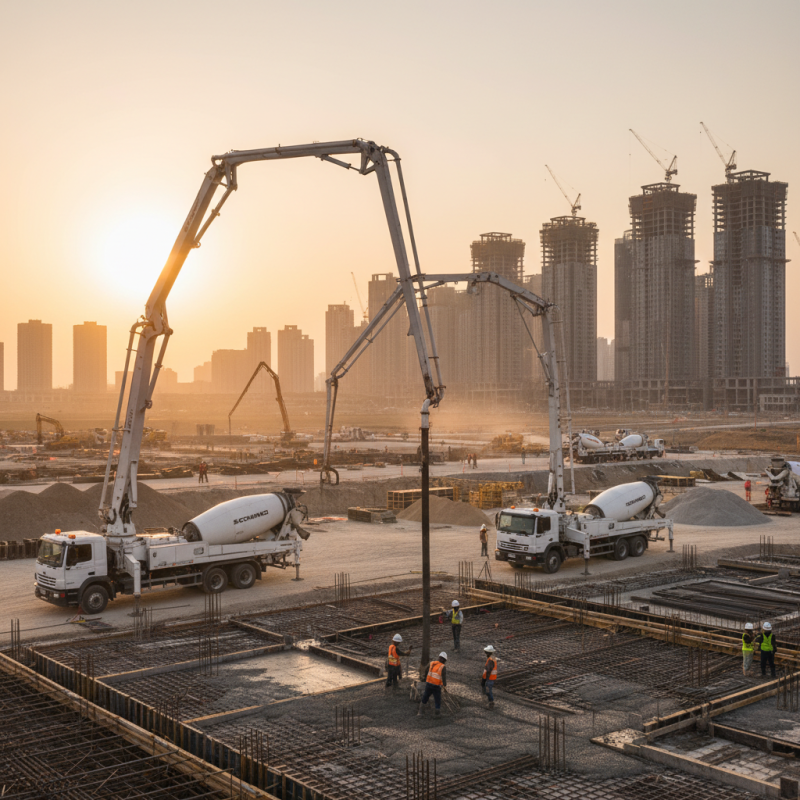
The role of Schwing in modern construction techniques is critical. It directly impacts efficiency and quality in concrete placement. With concrete making up over 70% of construction materials, precision is essential to ensure structural integrity. A recent report shows that innovative concrete delivery methods can reduce labor costs by up to 30%. This highlights the need for effective equipment.
Here are some tips for using Schwing effectively. First, regular maintenance is vital. Ensure all components are in working order to avoid delays. Second, training operators reduces errors. Well-trained staff can enhance productivity significantly. Aim for continuous improvement and feedback loops in operations.
Another consideration is adaptability. The construction landscape is ever-changing. In 2022, more than 40% of construction professionals reported challenges due to equipment limitations. Being rigid in equipment choice can lead to inefficiencies. Keeping an open mind and reassessing methods regularly is crucial for long-term success.
Key Innovations Introduced by Schwing in Concrete Pumping
In the construction industry, efficient concrete pumping is crucial. One company has made significant strides in this area. They introduced advanced machinery that can pump concrete faster and more efficiently. This innovation helps construction projects save time and reduce labor costs.
A key feature is their lightweight design. It allows for easier transport to various construction sites. Additionally, the ability to handle different types of concrete mixes increases versatility. Construction teams can tackle various projects without worrying about equipment limitations. However, not all innovations have been seamless. Some operators report difficulties in maintenance due to the complexity of the machines.
Another notable innovation is the integration of real-time monitoring systems. These systems track performance metrics, which can lead to improved efficiency. Despite this, operators often find the learning curve steep. Training time is essential to harness the full potential of these innovations. Builders need to invest time and resources into understanding the equipment. This investment may be challenging but is critical for maximizing productivity on job sites.
Environmental Benefits of Using Schwing Equipment in Construction
In the construction industry, using advanced equipment plays a crucial role in reducing environmental impact. Schwing equipment exemplifies this commitment. According to a 2022 industry report, construction activities contribute to nearly 40% of global carbon emissions. Efficient machinery can help lower this number significantly.
Schwing equipment is designed to improve efficiency. It reduces the amount of concrete waste generated during projects. Studies indicate that using high-capacity pumps can lead to a 30% decrease in waste. This efficiency not only saves resources but also minimizes the carbon footprint. Moreover, the durability of such equipment means less frequent replacements. This results in reduced resource consumption over time.
However, challenges remain. The initial investment for Eco-friendly machines can be high. Construction companies sometimes prioritize short-term costs over long-term environmental benefits. Education on the long-term savings and environmental advantages is crucial. Thoughtful investment can lead to a more sustainable future for the industry. The transition isn’t easy, but it’s necessary for a healthier planet.
Economic Impact of Schwing Technology on Construction Projects
Schwing technology plays a crucial role in the construction industry. Its economic impact is significant. According to a recent industry report, advances in concrete pumping and placement can reduce project time by up to 30%. This efficiency translates directly into cost savings. Many projects see reduced labor hours, lowering overall expenses.
Moreover, Schwing technology enhances safety on job sites. Studies show that improved equipment reduces accidents by 25%. Fewer accidents mean lower insurance costs for companies. However, it is essential to recognize that initial investments in advanced technology can be high. Many contractors hesitate, weighing short-term costs against long-term benefits.
Yet, the return on investment can be substantial. Projects leveraging modern techniques frequently report higher profits. One survey indicated that companies integrating advanced pumping systems achieve profit margins 15% higher than those sticking to traditional methods. Embracing innovation is critical. While the journey may have challenges, the potential rewards are hard to ignore.
Why Schwing is Important in the Construction Industry? - Economic Impact of Schwing Technology on Construction Projects
| Project Type | Average Duration (Months) | Material Efficiency (%) | Labour Cost Reduction (%) | Overall Project Cost Savings (%) |
| Residential Construction | 12 | 15 | 20 | 25 |
| Commercial Buildings | 18 | 20 | 22 | 30 |
| Infrastructure Projects | 24 | 25 | 18 | 35 |
| Industrial Facilities | 15 | 22 | 25 | 28 |
Comparative Analysis: Schwing vs. Traditional Construction Methods
In the construction industry, the choice between advanced methods and traditional techniques is crucial. Recent studies indicate that innovative approaches can significantly reduce project timelines by up to 30%. Traditional methods often involve many manual processes, which lead to delays and increased costs. For example, while traditional concrete pouring may take days, modern pumping solutions can complete the same task within hours. This efficiency can enhance overall productivity.
Moreover, traditional methods may pose risks to worker safety. According to industry reports, manual handling injuries account for nearly 25% of construction-related incidents. In contrast, advanced equipment minimizes physical strain on workers. Such machinery can automate tasks that were previously manual, ensuring safer working conditions. Yet, the adoption of these new technologies requires training. Not all workers may feel comfortable operating them initially.
However, resistance to change can hinder progress. Some companies stick to familiar practices, even when data clearly supports modernization. Balancing tradition and innovation can be tricky. Companies must weigh short-term comfort against long-term efficiency gains. In a fast-paced construction landscape, staying stagnant may lead to missed opportunities. Embracing advanced techniques may be necessary for success.