How to Identify Symptoms of a Failing Center Bearing?
A failing Center Bearing can lead to significant issues in a vehicle. Understanding the symptoms is crucial for timely repairs. Many drivers overlook this critical component. This can result in extensive damage and costly repairs.
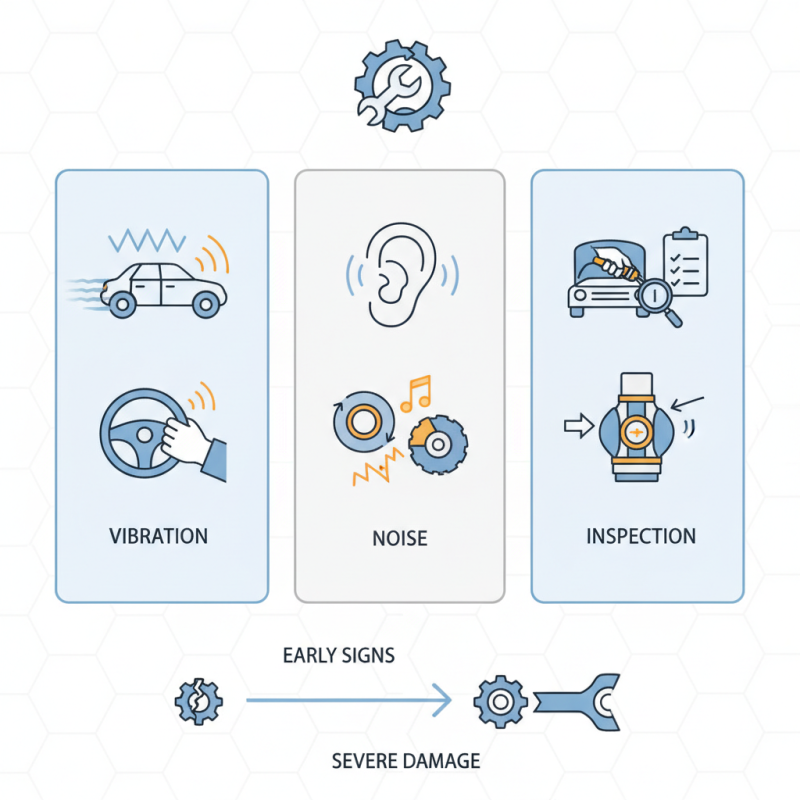
When the Center Bearing starts to fail, there are typically noticeable signs. Unusual vibrations may occur during driving, especially at certain speeds. Drivers might hear strange noises like clunking or grinding. These indicators signal that something is wrong.
It's vital to pay attention to these symptoms. Ignoring them could lead to more severe problems. Regular inspections can help catch issues early on. The Center Bearing might seem small, but its function is crucial for vehicle stability. Make it a point to monitor this part, ensuring a safe driving experience.
Understanding Center Bearing Functions and Importance
Center bearings play a critical role in the smooth operation of vehicles. They support the driveshaft and maintain proper alignment. This alignment is vital for efficient power transfer from the engine to the wheels. A failing center bearing can lead to increased vibration and noise. These symptoms can disrupt the overall driving experience.
When a center bearing begins to fail, certain signs often become evident. A common indicator is a noticeable vibration while driving, especially at higher speeds. This vibration may intensify when accelerating or decelerating. Drivers might also hear unusual noises, such as clunking or grinding. These sounds can indicate that the bearing is wearing out. It's crucial to pay attention to these signals, as ignoring them can lead to more severe issues down the road.
Understanding the importance of a functional center bearing is key. It ensures stability and helps maintain drivability. Regular inspections can prevent major repairs. However, many drivers overlook this component until problems arise. Taking proactive measures can save time and money in the long run. Listening and feeling for changes may seem tedious, but it ultimately preserves vehicle integrity.
How to Identify Symptoms of a Failing Center Bearing?
| Symptom | Description | Possible Causes | Recommended Action |
| Increased Noise | Unusual sounds during operation, such as grinding or rumbling. | Worn bearings, lack of lubrication, misalignment. | Inspect and lubricate bearings; check for alignment. |
| Vibration | Excessive shaking of components can indicate issues. | Imbalance, worn or damaged bearings. | Balance the system; replace damaged components. |
| Poor Handling | Difficulty in steering or abnormal vehicle behavior. | Worn bearings or bushings affecting alignment. | Inspect steering components; consider replacement. |
| Heat Generation | Noticeable increase in component temperature. | Friction from inadequate lubrication or wear. | Check lubrication levels; replace faulty parts. |
| Oil Leaks | Visible leaks around the bearing area. | Seal failure, damaged housing. | Inspect seals; replace them as necessary. |
Common Signs of a Failing Center Bearing
A failing center bearing can lead to serious vehicle issues. Identifying symptoms early can save time and money. Common signs include unusual vibrations, especially when accelerating or turning. Drivers often feel these vibrations in the steering wheel or the floor. This can indicate that the bearing is not adequately supporting the driveshaft.
Another sign is unusual noises. If you hear clunking or grinding sounds coming from underneath the vehicle, it may be the center bearing. These sounds often increase with speed and can become more pronounced when cornering. An assessment of these noises is crucial for timely repairs.
Tips: Regularly inspect the center bearing during maintenance. Advanced vehicle sensors might help identify vibrations before they become severe. Pay attention to any changes in handling or ride comfort. Vehicle manufacturers report that addressing these issues early can prevent more extensive damage, leading to repairs costing 30% less. Ignoring the signs often leads to compromised safety.
Visual Inspection Techniques for Center Bearings
Visual inspection techniques are essential for identifying symptoms of a failing center bearing. Start by examining the bearing visually. Look for any signs of wear or damage. Check for unusual vibrations during operation. A simple visual assessment can expose potential issues early.
Pay attention to rust or corrosion on the bearing surface. Any unusual build-up of dirt could indicate a problem. Ensure that the rubber components are intact. Cracks or tears can significantly impact performance. Conduct a thorough scan of the surrounding area for foreign objects. These can interfere with the bearing's function.
Sometimes, the faults aren't easy to spot. Inconsistent performance can be a subtle sign. Listen carefully for strange noises. A grinding or squeaking sound can indicate wear. If you notice odd sounds, it’s worth investigating further. Document any findings to track changes over time. This records the condition, guiding future actions.
How Noises Indicate Center Bearing Issues
When dealing with center bearings, noise can be an important indicator of upcoming issues. A grinding or rumbling sound often signals trouble. These noises typically occur when the bearing begins to wear out. They can be more pronounced during acceleration or deceleration. Listening closely often reveals patterns that hint at different problems.
Another common noise is a knocking sound. This noise might indicate that the bearing is loose or misaligned. The vibration associated with such a sound can affect other components in the vehicle. It's crucial to pay attention to these nuances. They might seem minor at first. However, ignoring them may lead to more significant issues down the line.
Sometimes, the noises can be intermittent, making them easy to dismiss. A faint whirring might go unnoticed during a short drive, but it’s worth investigating. Documenting these noises can help in identifying recurring problems. Individuals often overlook how important it is to trust what they hear. It could save them from costly repairs in the future.
Diagnosing Vibration Problems Related to Center Bearings
Diagnosing vibration problems related to center bearings is crucial for machinery health. A failing center bearing often produces unusual vibrations that can indicate deeper mechanical issues. According to a report by the International Society of Automation, around 70% of machine failures are due to bearing issues. This highlights the necessity of early detection and timely intervention.
Vibrations can stem from various factors, including misalignment and wear. While minor vibrations might seem harmless, they can escalate quickly. Regular monitoring can catch these vibrations early. Data from the Journal of Sound and Vibration indicates that vibrations exceeding 0.1 inches per second are a cause for concern. If you observe these signs, it could reflect impending bearing failure.
Additionally, improper installation or inadequate lubrication can worsen the situation. When a center bearing fails, it may create an imbalance. This imbalance often leads to further damage, impacting adjacent components. Regular inspections are vital. They can prevent costly repairs and extend equipment lifespan. Consider analyzing vibration data continuously to enhance reliability within operations.
Symptoms of a Failing Center Bearing
This bar chart illustrates the severity of various symptoms associated with failing center bearings. Higher values indicate a greater severity of the issue, with 'Increased Vibration' and 'Unusual Noise' being the most critical indicators.