2026 How to Choose the Best Condiment Pump for Your Business?
In the competitive landscape of the food service industry, selecting the right Condiment Pump is crucial. As noted by industry expert, Sarah Thompson, “The right condiment pump can enhance efficiency and customer satisfaction.” Choosing the best option can be overwhelming, yet it is essential for any business aiming to deliver quality service.
Condiment Pumps are more than just dispensers; they are a vital part of the customer experience. A well-chosen pump can control portion sizes and reduce waste. However, not all options are created equal. Businesses must consider factors such as pump material, ease of use, and maintenance requirements. These details can significantly impact performance and longevity.
With so many products on the market, the decision can feel daunting. Some pumps may claim to be the best but fall short in practice. It’s important to reflect on your specific needs and what works in real-life scenarios. A thoughtful choice will ultimately boost efficiency and enhance customer satisfaction.
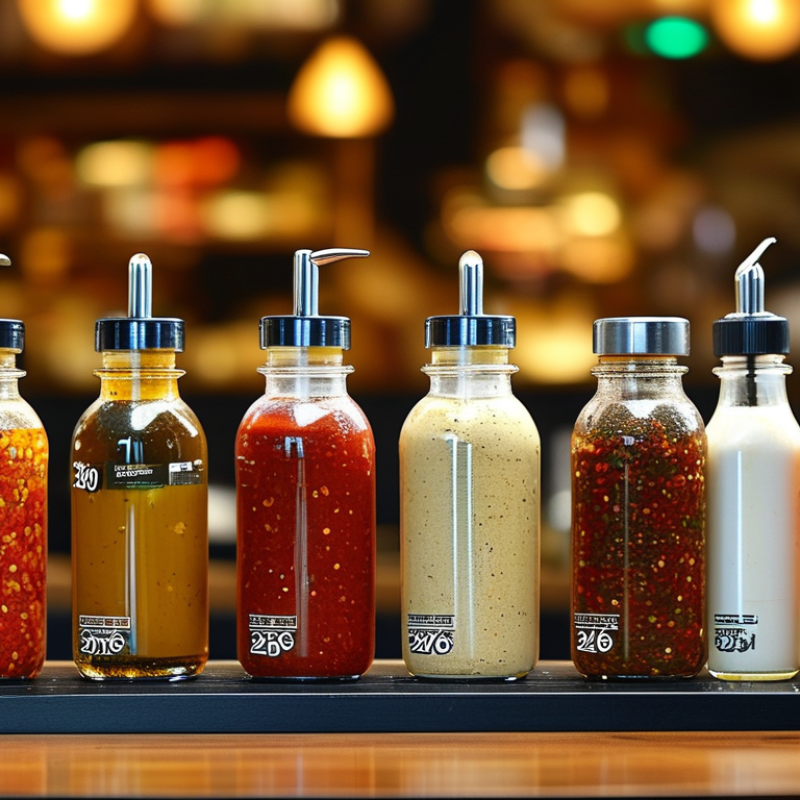
Factors to Consider When Selecting a Condiment Pump for Your Business
Choosing the right condiment pump is essential for any business that serves food. Various factors influence this choice, and understanding them can enhance service efficiency. One critical factor is the pump's capacity. A small pump may require frequent refills, slowing down service. On the other hand, a large pump might take up too much space. Balance is key, based on expected customer volume.
Material quality is another vital consideration. Pumps made from durable materials resist wear and tear, ensuring longevity. If the pump breaks down, it disrupts operations. It’s important to assess how easy a pump is to clean. Pumps that are challenging to maintain can lead to hygiene issues and affect food safety.
Additionally, the pump's dispensing mechanism plays a significant role. Some pumps offer precise, controlled dispensing, while others may spill or overpour. Evaluating the ease of use for staff is also essential. A pump that is difficult to operate can frustrate employees and impact service speed. These reflections highlight the importance of thoughtful selection to enhance operational efficiency and customer satisfaction.
Types of Condiment Pumps and Their Applications in Commercial Settings
When selecting a condiment pump for commercial use, consider the various types available. Each type serves unique needs. For example, gravity-fed pumps are simple and cost-effective. They rely on gravity to dispense condiments, making them ideal for smaller settings. Specifically, research indicates that gravity-fed systems can reduce waste by up to 20%.
On the other hand, electric pumps offer precision and speed. These models are excellent for high-volume environments. They often feature adjustable settings for portion control, ensuring consistent servings. A report from a leading industry analyst shows that using electric dispensers can enhance efficiency by 30% during peak hours.
Moreover, there are pneumatic pumps designed for larger businesses. They can handle thicker condiments like mayonnaise and sauces. However, these systems require more maintenance and can be a challenge when switching between products. Personal experiences suggest that balancing efficiency with ease of use can be tricky. Choosing the right condiment pump is not merely a matter of cost; it is about understanding your specific requirements and how they align with the available options.
Evaluating Pump Capacity and Compatibility with Your Business Needs
When choosing a condiment pump for your business, evaluating capacity and compatibility is crucial. Understanding the specific needs of your operation helps in selecting the right equipment. According to industry insights, about 70% of foodservice operations prioritize pump efficiency and ease of use. A study found that optimizing pump capacity can increase dispensing accuracy by 25%, reducing waste.
Consider the volume of condiments your business requires. For high-traffic locations, a pump with a capacity of 3 to 5 gallons works well. Smaller venues might only need a 1-gallon capacity. Compatibility with various condiment types ensures flexibility. For instance, certain pumps handle thicker sauces better than others. Research shows businesses that assess compatibility can improve customer satisfaction by up to 30%.
Beyond technical specifications, reflect on your workflow. A poorly chosen pump can slow down service. Analyze how often you need to refill to minimize downtime. Industry reports indicate that a mismatch in pump size and usage can lead to increased operational costs. Prioritize equipment that aligns with your specific operational rhythm.
2026 How to Choose the Best Condiment Pump for Your Business?
| Pump Model | Capacity (L) | Pump Type | Compatibility | Price ($) |
| Model A | 2.0 | Manual | All Sauces | 25 |
| Model B | 1.5 | Electric | Ketchup, Mustard | 40 |
| Model C | 3.0 | Manual | All Sauces | 30 |
| Model D | 2.5 | Electric | Mayonnaise, Dressing | 55 |
| Model E | 1.0 | Manual | Ketchup | 20 |
Maintenance and Durability: Key Features in Condiment Pump Selection
Choosing the right condiment pump for your business goes beyond functionality. Maintenance and durability are critical features. A reliable condiment pump should withstand daily wear and tear. Look for pumps crafted from high-quality materials. Stainless steel and durable plastics are preferred choices. They resist rust and corrosion, extending the life of your equipment.
Regular maintenance is equally vital. Cleanliness affects both hygiene and performance. Choose pumps that are easy to disassemble and clean. Some pumps feature detachable parts for straightforward maintenance. This can save you time and resources in the long run. However, not all pumps provide this convenience. It's essential to research before making a decision.
In the pursuit of durability, consider the pump's warranty. A robust warranty implies confidence from the manufacturer. If issues arise, a good warranty can save costs and stress. Some businesses might overlook this detail. Yet, a reliable warranty often reflects product quality. Investing time in understanding these maintenance aspects ensures your condiment pumps serve you effectively, minimizing unexpected downtime.
Cost-Effectiveness: Comparing Price vs. Quality in Condiment Pumps
When selecting a condiment pump for your business, the balance between cost and quality is critical. Many operators prioritize price, thinking it will save money in the long run. However, cheaper pumps often lead to frequent replacements and repairs, ultimately increasing overall costs. For example, a less durable pump may fail during peak hours, disrupting service and frustrating customers.
Quality pumps may have a higher upfront cost, but they often offer improved reliability and performance. Investing in a well-made product can reduce maintenance costs and downtime. Additionally, quality pumps often feature better design and functionality, leading to increased efficiency in serving condiments. Customers appreciate faster service, which can boost repetitive business.
It's essential to evaluate your specific needs and usage. Not all pumps are designed for high-volume settings. Some may not dispense accurately, leading to waste. Consider the pump's materials and ease of cleaning. A pump that is hard to maintain can deter proper sanitation practices, posing health risks. By carefully weighing these factors, you can make a more informed decision that aligns with both budget constraints and quality expectations.