2026 How to Choose the Right Double Ended Dowel Pin?
Choosing the right Double-Ended Dowel Pin can significantly impact your project’s success. These pins are versatile components, often used in various applications such as furniture assembly and machinery alignment. Their design allows for quick fastening and easy adjustments, making them invaluable.
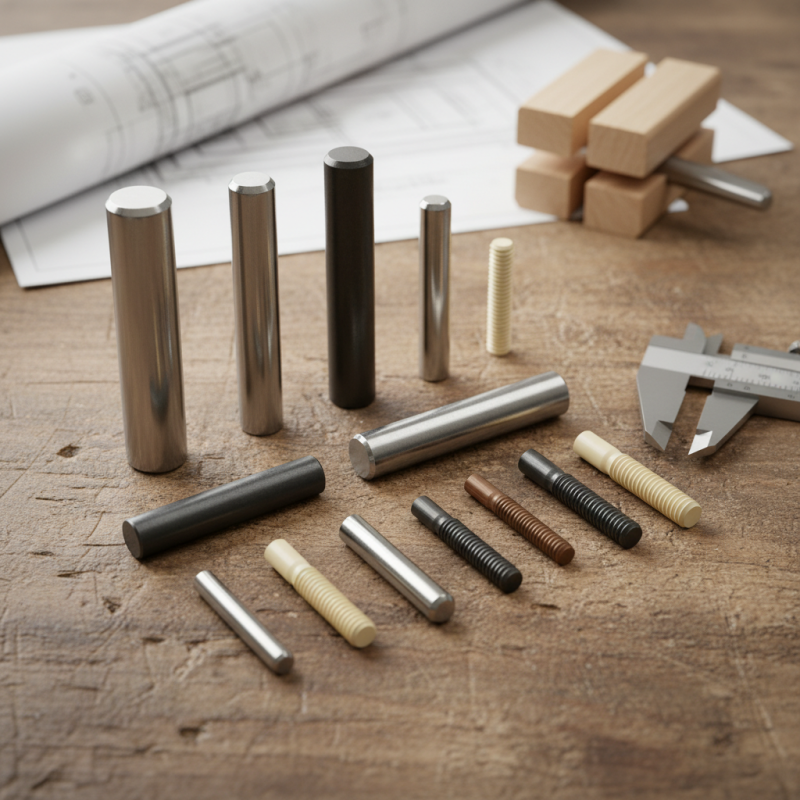
When selecting a Double-Ended Dowel Pin, consider factors like material, size, and coating. Each element affects durability and performance. For instance, steel pins provide strength, while plastic options offer lightness. It’s crucial to assess the specific requirements of your application to ensure compatibility.
Mistakes can happen if you rush this decision. An unsuitable pin may lead to structural failures. Take your time to evaluate your needs carefully. After all, the right choice can enhance efficiency and longevity in your projects.
Understanding Double Ended Dowel Pins: A Comprehensive Overview
Double ended dowel pins play a crucial role in various construction and assembly tasks. These pins have a cylindrical shape with a tapered end on each side, allowing for easy alignment and fastening of components. Understanding their design is essential for achieving precise and durable connections. They can be made from various materials, including steel and plastic, each offering unique benefits. The choice of material depends on the specific application and the required strength.
When selecting double ended dowel pins, consider the diameter and length carefully. The right size ensures a snug fit in holes, preventing unwanted movement. Factors like load bearing capacity and environmental conditions should also influence your choice. Pay attention to manufacturing standards. Flaws in pin design may lead to failures over time. In some cases, users have reported issues with misalignment and difficulty in inserting the pins. Always test a sample before committing to a full order.
Lastly, think about your project’s needs. Sometimes, it might be better to opt for an alternative fastening method. Double ended dowel pins offer reliability, but they are not a one-size-fits-all solution. Analyze your design requirements thoroughly. The right choice can enhance the overall performance of your assembly while avoiding unnecessary complications.
Key Factors to Consider When Choosing Double Ended Dowel Pins
Choosing the right double-ended dowel pin is essential for ensuring stability and alignment in your projects. One critical factor is diameter. It should match the holes in your materials. If the fit is too tight, it might cause stress. If it’s too loose, parts may shift unexpectedly, leading to structural issues.
Material selection is also crucial. Different materials offer varied strength and corrosion resistance. Consider the environment where the dowel pin will be used. For example, steel pins may rust in humid conditions. On the other hand, plastic pins may not bear heavy loads. Evaluate the specific demands of your project carefully.
Additionally, think about the pin's length. A longer pin can provide better alignment but may also need more space. Proper length reduces the risk of misalignment during installation. Reflect on your project’s needs and the challenges it may face. Balancing these factors is an art that can enhance the quality of your work.
2026 How to Choose the Right Double Ended Dowel Pin? - Key Factors to Consider When Choosing Double Ended Dowel Pins
| Factors | Description | Material | Size & Dimensions | Application |
| Material Type | Choose between steel, stainless steel, brass, or plastic depending on the application environment. | Steel, Stainless Steel, Brass | Custom sizes available | Furniture, Machinery |
| Length Precision | Ensure the dowel pin meets the required length for a snug fit. | Varies by application | Standard lengths from 10mm to 100mm | General Construction |
| Surface Finish | Select a corrosion-resistant finish for longevity. | Polished, Coated | Varies based on requirements | Outdoor, Harsh Environments |
| Tolerance | The tolerance levels you require affect the manufacturing process and cost. | Precision Tolerance Available | Standard and custom tolerances | High-Precision Applications |
Material Options for Double Ended Dowel Pins: Pros and Cons
When choosing materials for double-ended dowel pins, there are several options to consider. Steel is a popular choice. It offers strength and durability for heavy-duty applications. However, it may be prone to rust in humid conditions. A protective coating can mitigate this, but it adds to the cost and complexity of sourcing.
Plastic dowel pins are another option, often used for lighter applications. They resist corrosion and are typically less expensive. These pins are lightweight and easy to work with. However, they lack the strength required for high-stress situations. Consider the application carefully. A compromise on strength could lead to failure.
Wood dowel pins present a unique alternative. They are eco-friendly and provide a natural aesthetic. Yet, wood is vulnerable to moisture and can warp over time. Precision is crucial when installing wooden pins. Misalignment can lead to serious structural weaknesses. Ultimately, the choice of material should align with the specific demands of your project and environmental conditions.
Sizing and Tolerances: Finding the Right Fit for Your Project
When choosing double ended dowel pins, sizing and tolerances are crucial. The right fit ensures proper alignment in your project. A pin that is too tight may cause damage, while one that is too loose can lead to instability. Measure the diameter and length accurately. Use calipers for precision. Consider the application to determine the required tolerances.
Materials also play a significant role in performance. Stainless steel offers durability, but may not fit all applications. Wood or plastic dowels can serve different purposes. Ensure compatibility with the surrounding materials. Sometimes, the choice may seem obvious, yet small details can affect the overall outcome.
Reflection is essential during this selection process. Don't just rely on standard sizes. Custom options may be necessary for unique projects. A close inspection of fit and function will often reveal overlooked issues. Take your time to evaluate the specifics. This attention to detail can make a significant difference in your final results.
Applications and Uses of Double Ended Dowel Pins in Various Industries
Double ended dowel pins are versatile fasteners widely used across different industries. They serve as effective location devices, aligning parts precisely during assembly. Their design allows for secure joining of two components without additional hardware. Many manufacturers rely on these pins for woodworking and furniture production. They help create strong joints, ensuring durability in products.
In automotive applications, double ended dowel pins are crucial for engine block alignment. They maintain precise spacing between complex assemblies. This prevents misalignment, which could lead to operational failures. In aerospace, these pins assist in securing components under high stress. Engineers trust their strength and reliability in critical systems.
Despite their benefits, users must consider factors like material choice and diameter in their projects. Not all pins suit every application. Testing and careful selection are essential for optimal performance. Each industry may face unique challenges, requiring tailored solutions. Understanding these nuances leads to better outcomes. Continuous learning and adaptation are vital for success.