Top 10 Gate Valve Types and Their Applications Explained?
Gate Valves play a crucial role in various industrial applications. According to a recent industry report by Valve World, the gate valve market is expected to grow at a CAGR of 4.5% from 2023 to 2028. This rise highlights the increasing demand for efficient flow control in sectors such as oil and gas, water treatment, and power generation.
Industry expert Dr. Emily Carter emphasizes the importance of gate valves by stating, "Understanding the right type of gate valve can significantly impact operational efficiency." Each type of gate valve offers distinct advantages and limitations. Yet, many engineers still struggle to choose the right valve for specific applications. Misselection can lead to costly maintenance or insufficient performance.
The intricacies of gate valve design and functionality are often overlooked. A deeper understanding is needed to navigate these choices effectively. This article aims to clarify the top types of gate valves available and their ideal applications, providing valuable insights for industry professionals.
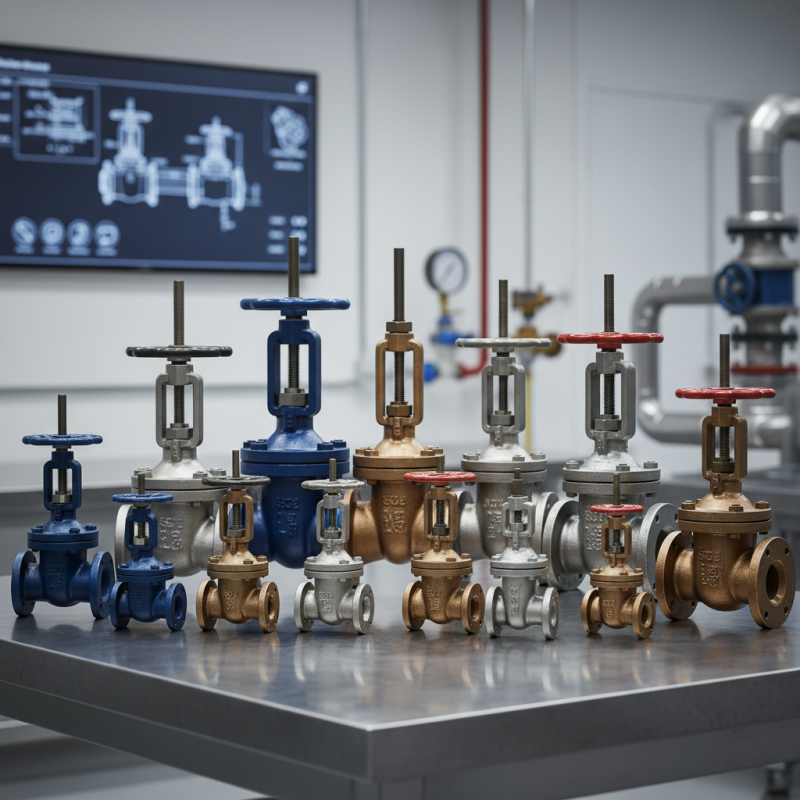
Types of Gate Valves: An Overview of Common Variants and Uses
Gate valves play a crucial role in various industrial applications. Understanding the different types of gate valves can enhance efficiency and safety. The most common variants include rising stem, non-rising stem, and slab gate valves. Each type has distinct characteristics.
Rising stem gate valves have a visible stem movement. This design makes it easier to see whether the valve is open or closed. They are widely used in high-pressure systems. Non-rising stem valves are ideal for tight spaces. They do not require additional clearance above the pipeline.
Slab gate valves are cost-effective and offer full flow. However, they may require more maintenance compared to others. A recent industry report notes that gate valves account for about 35% of the global valve market. This underlines their importance in various sectors.
**Tip:** When choosing a gate valve, consider the specific medium being handled. Fluid type can significantly affect valve selection.
Proper installation is critical for optimal performance. One common mistake is overlooking alignment, which can cause leaks.
**Tip:** Regular maintenance checks can extend the lifespan of a gate valve. Finding the right valve type for the right application should be a priority.
Key Industry Applications: Where Gate Valves Are Most Commonly Found
Gate valves are crucial in various industries for controlling flow. They are commonly found in water treatment plants, oil and gas pipelines, and power generation facilities. Their design allows for minimal pressure drop, making them ideal for on/off applications. In municipal water systems, gate valves manage water flow effectively, ensuring the supply remains consistent.
In chemical processing, gate valves play a significant role. They handle corrosive substances and high temperatures. Their robust construction allows for durability under extreme conditions. However, users should be cautious. Sometimes, these valves can become stuck due to sediment buildup. Regular maintenance is essential.
Tips: Ensure regular inspections on gate valves. Look for signs of wear and tear. Also, consider the valve's size and material when selecting one for specific applications. Each environment can demand different standards.
Materials and Design Considerations for Gate Valve Performance
When selecting gate valves, materials and design are crucial for effective performance. Common materials include stainless steel, ductile iron, and brass. Each material has unique properties that affect durability and application. Stainless steel resists corrosion well, making it ideal for harsh environments. Ductile iron offers strength, but may not perform as well in extreme temperatures. Brass is lightweight and easy to install, but it may corrode over time.
Design considerations also play a significant role. The valve's size impacts flow rates and pressure. Larger gates allow for greater flow, yet they require more energy to operate. The design of the gate itself can influence sealing performance. Some gates may experience leakage over time, necessitating replacements. It’s essential to evaluate the specific needs of your application. Factors such as pressure, temperature, and fluid type warrant attention. Ignoring these details can lead to inefficiencies or failures in valve performance.
Top 10 Gate Valve Types and Their Applications
Pressure Ratings and Limitations of Different Gate Valve Types
Gate valves come in various types, each with specific pressure ratings and limitations. Understanding these differences is key when selecting the right valve for your application. For instance, cast iron gate valves are commonly used in low-pressure systems. They can handle pressures up to 150 psi, but they are not suitable for high-temperature applications.
Stainless steel gate valves, on the other hand, exhibit higher strength and corrosion resistance. They can handle pressures beyond 300 psi and are great for steam and oil applications. However, their higher cost can be a limiting factor for some projects. Other types, like wedge gate valves, have unique limitations as well. Their design can cause problems in high-pressure scenarios, leading to potential failures.
Pressure ratings not only define the material choices but also the operational limits. It’s important to match your valve type with the system requirements. Misjudgments can have serious consequences. Overlooking these ratings may lead to leaks or valve failures. Always consider the specific needs of your system when choosing a gate valve.
Maintenance Practices to Ensure Longevity of Gate Valves in Service
Gate valves are critical in controlling fluid flow in various applications. However, regular maintenance is crucial for their longevity. According to industry reports, proper maintenance can extend the life of gate valves by 30% or more. Regular inspections should focus on the valve body, seals, and actuator mechanisms. Wear and tear can lead to leaks, which ultimately compromise system efficiency.
Lubrication of the valve stem is equally important. Greasing reduces friction, ensuring smooth operation. Industry data shows that a lack of lubrication can increase valve failure rates significantly. Operators often overlook this step, leading to premature valve replacement. It's vital to establish a routine, making repairs before they escalate.
Cleaning the valve and surrounding area is also necessary. Accumulated debris can hinder movement, forcing valves to work harder. This increases wear and reduces overall efficiency. Inadequate cleaning methods can lead to rust and corrosion over time. Each of these maintenance practices is integral to ensuring gate valves function optimally. Ignoring them results in costly downtime and operational delays.