What are Galvanized Nails and Why are They Important?
Galvanized nails are essential in construction and woodworking. They are coated with zinc to prevent rust. This coating increases their lifespan, making them durable and reliable. According to the Structural Building Components Association, about 35% of fastener failures are due to corrosion. Using galvanized nails significantly reduces this risk.
In various climates, the need for durable materials is evident. For example, in coastal regions, exposure to saltwater speeds up corrosion. Galvanized nails are ideal in these settings, offering a robust solution. The National Association of Home Builders reports that over 60% of builders prefer galvanized fasteners for outdoor projects. Their strength and longevity make them a top choice.
Despite their advantages, not all applications may benefit from galvanized nails. In specific environments, such as those with high humidity, the zinc layer might degrade faster. This inconsistency can lead to structural weaknesses. Therefore, it's crucial to assess the environment before selection. Galvanized nails play a critical role in construction but require thoughtful use for optimal results.
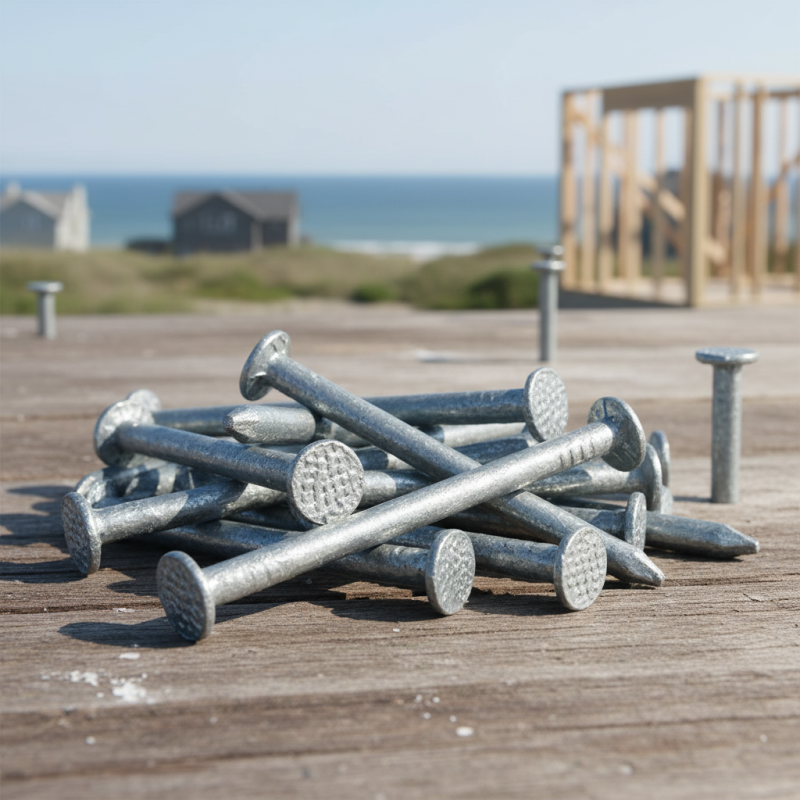
What are Galvanized Nails?
Galvanized nails are essential fasteners in construction and outdoor projects. They are coated with zinc to prevent rusting. This protective layer enhances durability. In environments exposed to moisture, rust can compromise structural integrity. Galvanized nails last significantly longer than untreated nails. According to industry reports, they can resist corrosion for over 50 years, making them a wise choice for long-term projects.
These nails are vital for various applications, including roofing, fencing, and wood structures. Their use reduces the need for frequent replacements. However, some projects might not require this level of resistance. It’s essential to assess the specific needs of each job. Not all environments require galvanized nails. For indoor use, regular nails might suffice. Choosing the wrong type can lead to unnecessary costs.
While galvanized nails offer advantages, there are considerations. The coating can sometimes create compatibility issues with other metals. Proper selection is crucial. There are different grades of galvanization. Not understanding these can lead to mistakes. Careful planning is essential to ensure their effectiveness in your projects. Balancing cost and performance is a constant challenge in construction.
The Process of Galvanization Explained
Galvanization is a vital process used to protect nails from corrosion. This method involves applying a layer of zinc to the surface of steel nails. The zinc serves as a barrier against moisture and harsh environments. When properly applied, it extends the lifespan of the nails significantly.
The process of galvanization typically begins with cleaning the nails. Any dirt or grease must be removed to ensure effective coating. After cleaning, the nails undergo a dipping process in molten zinc. This creates a strong bond between the zinc and the nail. Once cooled, the galvanized nail exhibits a shiny appearance. This not only looks appealing but also indicates protection against rust.
Despite its effectiveness, galvanization isn’t perfect. The zinc layer can wear off over time. In harsh conditions, this can happen faster than expected. Additionally, if the nails are scratched, the protective layer can be compromised. These factors remind us that while galvanized nails offer durability, they require careful consideration for long-term use.
Galvanization Process and Importance of Galvanized Nails
Common Uses of Galvanized Nails in Construction
Galvanized nails are steel nails coated with a layer of zinc. This coating provides excellent rust and corrosion resistance. In construction, they are commonly used in both indoor and outdoor projects. Their durability makes them essential for various applications.
Common uses of galvanized nails include roofing, fencing, decking, and framing. According to a report from the Construction Specifications Institute, over 70% of construction projects utilize galvanized fasteners due to their longevity. They help prevent structural failures caused by rust, ensuring safety and stability in buildings.
Tips: When choosing galvanized nails, consider the specific environment. For wet areas, opt for hot-dipped galvanized nails, which offer better corrosion resistance. Pay attention to the nail size and type for your specific project. Sometimes, contractors overlook these details, leading to issues later on.
Using galvanized nails can be an efficient choice, but make sure to assess your project's needs. Improper selections can lead to costly repairs. Always check local building codes for guidance on appropriate materials. Galvanized nails are important for lasting construction, but misuse can negate their benefits.
Advantages of Using Galvanized Nails
Galvanized nails are coated with zinc to prevent rust and corrosion. This makes them ideal for both indoor and outdoor projects. They are especially important when working on structures exposed to moisture. For instance, using galvanized nails for roofing or decking can extend the lifespan of your work significantly.
One key advantage of galvanized nails is their durability. These nails resist breaking under pressure, which ensures a secure hold. In environments like coastal areas, where saltwater exposure is high, galvanized nails can be a lifesaver. However, in some cases, they may not hold as well in extremely high temperatures. This is something to consider when working on specific types of projects.
Another benefit is their affordability. Galvanized nails are generally cheaper than stainless steel options. This can be particularly appealing for large projects. Still, it's important to reflect on the overall quality and not just the price. Sometimes, cutting costs can lead to more expenses in the long run. Choosing the right nails is crucial for achieving lasting results.
Maintenance and Lifespan of Galvanized Nails
Galvanized nails are essential in many construction projects due to their enhanced durability. Made with a protective zinc coating, they resist rust and corrosion. However, their lifespan can vary based on factors such as environmental exposure and material compatibility. Studies indicate that galvanized nails can last up to 50 years in favorable conditions. Yet, exposure to moisture or aggressive chemicals can significantly shorten their life.
Regular maintenance is crucial. Inspecting galvanized nails for signs of rust or damage helps prolong their use. If nails begin to corrode, it can lead to structural issues. Additionally, improper installation can reduce their longevity. For instance, using incorrect fasteners for specific materials can cause early failure. Some experts recommend choosing the right type based on the environment. In coastal areas or regions with high humidity, stainless steel fasteners might be a better choice. Ultimately, understanding the conditions where galvanized nails are used can guide better maintenance practices.
What are Galvanized Nails and Why are They Important?
| Dimension | Description | Importance | Lifespan (Years) |
| Galvanization Process | Coating steel nails with zinc to prevent rusting. | Increases durability against corrosion. | 15-30 |
| Uses | Ideal for outdoor projects and high-moisture areas. | Enhances structural integrity in various applications. | 20-40 |
| Advantages | Resistant to rust and corrosion, affordable. | Cost-effective for long-term use, ensures safety. | 10-25 |
| Disadvantages | Can be brittle under certain conditions. | May not be suitable for all applications. | Varies by application |