
INDUSTRIES2023-04-26T19:33:38+00:00

What Is a Foot Heel Massager and How Does It Work?

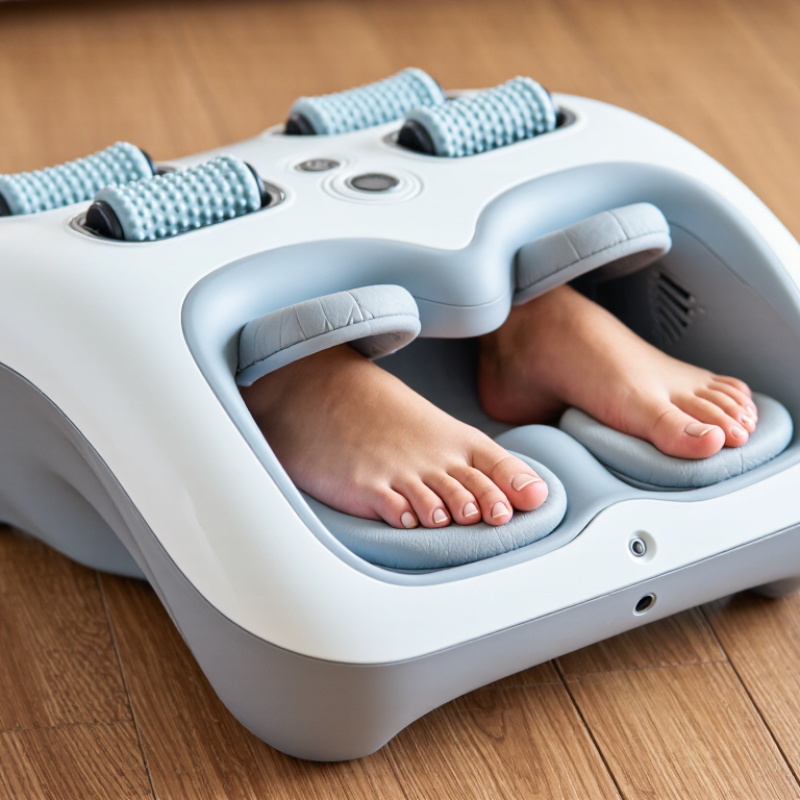
A Foot Heel Massager is a device designed to stimulate the heel, arch, and surrounding foot tissues. It may use rotating rollers, air compression, vibration, heat, or a combination of these features. The goal is usually simple: reduce temporary foot discomfort, relax tight muscles, and support a more comfortable recovery after standing or walking.

Inside the device, shaped rollers press against the sole while moving in circular or kneading patterns. Some models inflate air chambers around the heel and ankle, creating gentle compression. Heat can make the experience feel soothing, especially after a long day. However, warmth does not automatically mean deeper healing. The sensation can be pleasant, but users should avoid treating comfort as medical proof.

Placement matters.

A person may notice stronger pressure beneath the heel than beneath the toes. That difference depends on the machine’s design, foot size, and personal sensitivity. Start with the lowest setting for five to ten minutes. Check the skin afterward for redness, swelling, or irritation. Stop if sharp pain, numbness, or unusual tingling appears.

Evidence for massage devices is more reliable for short-term relaxation than for treating a specific condition. People with diabetes, reduced circulation, nerve problems, open wounds, fractures, or severe heel pain should seek professional advice before use. Manufacturer instructions also deserve attention, although they are not always as clear as they should be. A Foot Heel Massager can be a practical comfort tool, but it should complement—not replace—appropriate medical evaluation.
What Is a Foot Heel Massager and How Does It Work?

What Is a Foot Heel Massager? Definition, Scope, and Main Device Types

A foot heel massager is a handheld or powered device designed to stimulate the heel, arch, and nearby sole tissues. It may use rolling nodes, vibration, kneading movements, air compression, warmth, or a combination of these actions. The main purpose is comfort and temporary relief from foot fatigue, especially after standing, walking, or exercise. It is not a medical diagnosis tool.

The scope of these devices varies widely. Manual rollers are simple, portable, and easy to control. Users can adjust pressure by changing body weight or movement speed. Electric kneading massagers provide repeated mechanical pressure across the heel and arch. Vibration models create rapid, gentle stimulation, while compression devices wrap the foot and inflate soft chambers around it. Some heated models add warmth, but heat does not suit every user.

How does it work? Pressure and movement may encourage local circulation and relax tense soft tissues. The effect is usually short term. A qualified health professional should assess persistent heel pain, swelling, numbness, or skin changes. People with reduced sensation may not notice excessive pressure or heat. That matters.

In practical use, comfort should guide intensity. Start with a low setting for five to ten minutes, then check the skin and pain response. More pressure is not automatically better. Research on consumer massagers remains uneven, and personal experience can differ considerably. A device may feel soothing without addressing the underlying cause of heel discomfort.

How Heel Anatomy Guides Design: Plantar Fascia, Fat Pad, and Pressure Zones

A foot heel massager is designed to apply controlled pressure beneath the heel and along the sole. Its shape should reflect real foot anatomy, not simply add more bumps. The plantar fascia is a strong band running from the heel bone toward the toes. Gentle, distributed contact may help loosen surrounding soft tissues after standing or walking. Excessive pressure can irritate them instead.

The heel’s fat pad acts like a natural cushion. It absorbs impact during each step, especially near the center of the heel. A useful massager leaves room for this pad to compress without feeling crushed. Firmer edges may target the medial arch, where the plantar fascia is easier to feel. Softer areas can protect sensitive tissue around the heel bone. This contrast creates different pressure zones.

Small details matter. A rounded surface usually feels less harsh than a sharp ridge. Slow movement often allows better control than forcing the foot downward. In practical fitting, the heel should remain stable while the arch receives moderate contact. That distinction is easy to miss. No design fits every foot, though. People with persistent heel pain, numbness, swelling, or diabetes should seek professional advice before using deep pressure. Stop if discomfort becomes sharp, burning, or lasts after the session. Personally, I find “stronger” is not always better; comfort can be a more useful guide, but it is not a diagnosis.

How It Works Step by Step: Compression, Kneading, Heat, and Vibration

What Is a Foot Heel Massager and How Does It Work?

A foot heel massager usually combines compression, kneading, heat, and vibration. It works around the heel, arch, and sole rather than treating one point alone. The American Podiatric Medical Association reported that 77% of adults have experienced foot pain. That figure helps explain the device’s appeal, but it does not prove every massager will help every user.

The process often begins with compression. Air cushions gently squeeze the foot, creating a secure, sock-like feeling. Small rollers then knead the sole and heel in repeated paths. This pressure may loosen tight soft tissue and improve comfort after standing or exercise. Heat follows or runs at the same time. A warm surface can make the massage feel deeper, although heat does not repair an injury. Vibration adds quick, light movement across the skin and muscles. Some people find it soothing. Others find it irritating.

The order sounds neat. Real sessions are less tidy. Pressure can feel uneven between both feet, especially when swelling exists. A 2021 review in the Journal of Clinical Medicine noted that massage may support short-term pain relief, but evidence remains mixed for lasting results. Use a low setting first, and stop if numbness, sharp pain, or skin discoloration appears. People with diabetes, reduced sensation, poor circulation, or unexplained heel pain should ask a qualified clinician before use. A device is comfort support, not a diagnosis.

What Is a Foot Heel Massager and How Does It Work?

Step-by-step, a foot heel massager may combine compression, kneading, heat, and vibration. The chart shows which physical input each function provides.

Compression applies rhythmic pressure, kneading uses repeated mechanical movement, heat provides thermal warmth, and vibration creates rapid oscillation. Actual settings and combinations vary by device.

What the Evidence Shows: Plantar Fasciitis Affects About 1 in 10 People

What Is a Foot Heel Massager and How Does It Work?

Plantar fasciitis affects about 1 in 10 people, according to widely cited clinical estimates. It causes pain near the heel, often during the first steps after waking. A foot heel massager applies pressure beneath the arch and heel. Rolling, kneading, or gentle vibration may relax tight tissues and improve short-term comfort. It does not directly repair every cause of heel pain.

The evidence is useful, but not perfect. Small studies suggest massage can support stretching and exercise for plantar fasciitis. However, a massager should not replace professional assessment, especially when pain persists or worsens. In practice, symptoms may also involve nerve irritation, tendon problems, or an injury. That makes self-treatment less certain than advertisements often imply.

Tips: Start with five minutes of gentle rolling. Use a chilled bottle if morning pain feels sharp. Stop if numbness, bruising, or stronger pain appears. Combine massage with calf and plantar fascia stretches. Supportive footwear may help during long standing. Keep a simple pain record for one week. It may reveal patterns you otherwise miss. A clinician should assess lasting pain, swelling, or difficulty walking.

Safety and Performance Checks: Pressure Control, Heat, and Contraindications

What Is a Foot Heel Massager and How Does It Work?

A foot heel massager uses rollers, airbags, vibration, or gentle compression. These parts press the sole and heel in repeated patterns. Some models add warmth to relax stiff muscles. Pressure should feel firm, never sharp, numb, or burning. The line is easy to miss. A pleasant session does not prove that the setting is safe.

Pressure control matters most. Start with the lowest level for five minutes. Check your skin during and after use. Stop if you notice tingling, bruising, swelling, or lasting redness. Heat needs similar caution. Warmth can hide excessive pressure and delay your response to discomfort. The FDA warns that heating products may cause burns when used incorrectly. The CDC’s National Diabetes Statistics Report, 2024, estimates that 38.4 million Americans have diabetes. Reduced sensation can make foot injuries harder to notice. People with diabetes, neuropathy, poor circulation, open wounds, infection, unexplained swelling, or suspected blood clots should seek medical advice first. Pregnancy also deserves individualized clinical guidance.

Tips: Wear thin socks, avoid sleeping with heat enabled, and inspect your feet afterward. Keep sessions short at first. Avoid using a massager after alcohol, when sensation feels reduced, or over broken skin. Evidence for pain relief remains mixed, so do not replace assessment for persistent heel pain. The American College of Foot and Ankle Surgeons advises evaluation when pain continues, worsens, or limits walking. Personally, I would question any device that offers only one aggressive pressure setting.

What Is a Foot Heel Massager and How Does It Work? - Safety and Performance Checks: Pressure Control, Heat, and Contraindications

Feature or Check What It Is or How It Works Performance Indicators Safety Guidance and Limitations Assessment
Heel massager A device designed to apply mechanical stimulation to the heel and surrounding foot tissues using rolling, kneading, vibration, compression, or a combination of these actions. Should provide consistent contact without excessive pinching, slipping, or concentrated pressure on one small area. It may temporarily reduce the sensation of foot fatigue, but it should not be treated as a diagnostic or curative device for an underlying condition. Generally suitable
Rolling or kneading action Moving rollers or nodes press and release soft tissue in a repeated pattern, creating a massage-like sensation. Motion should feel smooth and predictable, with no sharp edges, sudden stalls, or abnormal noise. Start with a short session and low intensity. Stop if there is sharp pain, numbness, bruising, or worsening discomfort. Useful with control
Air compression Inflatable chambers intermittently squeeze parts of the foot to create rhythmic compression. The pressure should inflate and release fully, with adjustable intensity and a comfortable fit. Avoid overly tight compression. People with circulation problems, blood clots, unexplained swelling, or vascular disease should obtain medical advice before use. Use carefully
Vibration A motor produces rapid, small-amplitude movement that stimulates the skin and superficial tissues. Effective vibration should be even and controllable rather than excessively forceful or irritating. Use caution where reduced sensation makes it difficult to detect excessive intensity, heat, or skin irritation. Use carefully
Pressure control Pressure control includes intensity levels, adjustable air compression, speed settings, or a manual stop function. A suitable device should allow gradual adjustment, preserve the selected setting, and provide an easy-to-reach stop button. The strongest setting is not necessarily the most effective. Pressure should remain comfortable and should never cause throbbing, tingling, skin discoloration, or persistent pain. Essential feature
Heat function Heating elements warm the foot area, which may increase comfort and create a soothing sensation. Heat should rise gradually, remain moderate, and include automatic shutoff or a separate heat control. Do not use heat on numb skin or while sleeping. Check the skin regularly because burns can occur even when discomfort is not immediately felt. Monitor closely
Session duration The length of time the device is used in one session, often controlled by a timer. A timer and automatic shutoff reduce the chance of prolonged pressure or heat exposure. A conservative starting approach is a short, low-intensity session. Follow the device instructions and stop if symptoms increase during or after use. Timer preferred
Fit and positioning The heel should sit in the intended massage zone, with the foot supported and the ankle in a neutral, comfortable position. The device should remain stable and should not force the heel into an awkward angle or allow the foot to slide during operation. Do not use a device that causes localized pressure on a wound, blister, inflamed area, or bony prominence. Important check
Skin inspection Inspect the heel and foot before and after use for redness, abrasions, blisters, swelling, or changes in skin color. Mild, temporary warmth may occur, but visible damage or prolonged redness indicates that the session should be stopped. Do not massage open wounds, infected skin, active rashes, burns, or areas with unexplained swelling. Required practice
Reduced sensation Reduced ability to feel pressure or temperature can occur with certain nerve conditions, diabetes, or other medical problems. The user may not reliably notice excessive pressure, friction, or heat during operation. Avoid unsupervised use when sensation is reduced. Seek advice from a qualified healthcare professional before using pressure or heat. Medical advice
Circulation concerns Compression and massage can affect tissues and blood flow, but they are not substitutes for evaluation of circulatory symptoms. The device should not cause persistent coldness, pallor, bluish color, unusual swelling, or severe discomfort. Do not use without medical guidance if there is known peripheral arterial disease, suspected deep-vein thrombosis, unexplained unilateral swelling, or serious vascular disease. Consult first
Inflammation or injury Mechanical pressure may aggravate an acute injury, significant inflammation, fracture, sprain, or severe heel pain. A device should never be used to push through acute or progressively worsening pain. Avoid use over a recent injury or severe swelling until the cause has been assessed by a healthcare professional. Do not use
Pregnancy or complex health conditions Individual health circumstances may change whether compression, heat, or vigorous massage is appropriate. There is no single setting that is safe for every user or every medical condition. Ask a qualified healthcare professional before use when pregnant or when taking medication or managing a condition that affects circulation, sensation, skin integrity, or clotting. Ask first
Electrical and cleaning checks Electrical components, cables, removable liners, and surfaces should be inspected and maintained according to the instructions. The unit should have an intact power cord, stable housing, clear controls, and clean, dry contact surfaces. Keep electrical parts away from water, do not operate with damaged wiring, and unplug the device before cleaning. Routine check
When to stop and seek care Certain symptoms indicate that the issue may require medical evaluation rather than massage. Stop immediately for severe pain, new numbness, weakness, marked swelling, skin breakdown, blistering, or a suspected burn. Prompt medical attention is appropriate for sudden one-sided swelling, significant color or temperature change, chest pain, shortness of breath, or rapidly worsening symptoms. Stop and assess

General safety note: A foot heel massager may provide temporary comfort for some users, but it does not replace professional diagnosis or treatment. Use the lowest comfortable setting, inspect the skin, avoid sleeping while the device is operating, and follow the product’s instructions. When in doubt—especially with diabetes, reduced sensation, circulation problems, significant swelling, pregnancy, or recent injury—seek advice from a qualified healthcare professional before use.

Go to Top