What is a Food Safety Analyzer and How Does It Work?
In today’s world, food safety is paramount. With rapid growth in food production, ensuring the safety of food products is challenging. The "Food Safety Analyzer" has emerged as a vital tool in this arena. Dr. Emily Chen, a leading expert in food technology, states, “The future of food safety lies in our ability to analyze and predict risks accurately.”
A Food Safety Analyzer utilizes advanced technology to detect contaminants and pathogens in food. These devices provide quick results, allowing businesses to make informed decisions. For example, reducing the time between testing and action can save products and enhance safety. However, not all devices are foolproof. Some may produce false positives or negatives, underscoring the need for careful interpretation.
Embracing a Food Safety Analyzer can streamline operations. Yet, reliance on technology should not replace human oversight. It's essential to balance innovation with traditional practices. Although these analyzers are revolutionary, constant refinement is needed to improve their reliability and accuracy in the industry.
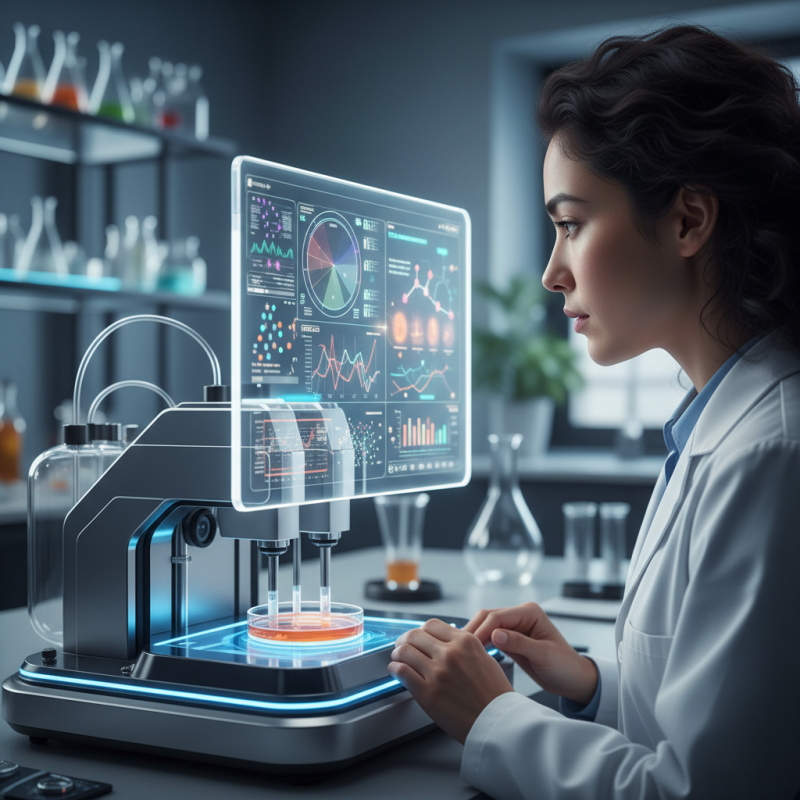
What is a Food Safety Analyzer? An Overview of Its Purpose
A Food Safety Analyzer is a crucial tool in the food industry. Its main purpose is to ensure that food products meet safety standards. These analyzers assess various parameters, such as microbial contamination and chemical residues. According to a 2022 report by the Food Safety Regulatory Agency, over 48 million Americans fall ill from foodborne diseases each year. This highlights the importance of employing effective testing methods.
These analyzers use advanced technologies like spectrometry and microbiological assays to detect contaminants. They provide fast and accurate results, enabling food businesses to respond promptly to potential threats. Research indicates that implementing such tools can reduce food safety issues by up to 30%. This is vital in maintaining consumer trust and compliance with regulations.
**Tips:** Always check the calibration of your analyzer. Regular maintenance is essential for accuracy. Moreover, training staff on its use is equally critical. A well-informed team can greatly enhance food safety practices in your organization.
Key Components of Food Safety Analyzers and Their Functions
Food safety analyzers play a crucial role in maintaining the safety of food products. Their key components work together to ensure that food is free from contaminants and safe for consumption. One primary component is the sensor. These sensors detect various microorganisms and chemical residues, providing real-time data on the food's safety. They require regular calibration to ensure accuracy.
Another vital element is the data processing unit. It interprets signals from the sensors, translating them into actionable insights. This process needs continuous improvement to adapt to new contaminants.
The user interface is equally important. A simple interface ensures that operators can easily access results. However, training is necessary for effective use.
Sampling equipment often accompanies these analyzers. It helps in collecting food samples without contamination. This aspect can be challenging. In some situations, it is hard to avoid cross-contamination. Overall, while food safety analyzers are essential for monitoring food quality, there is always room for improvement in their design and implementation.
How Food Safety Analyzers Assess Microbial Contamination Risks
Food safety analyzers play a crucial role in assessing microbial contamination risks. These devices use advanced technology to detect harmful pathogens in food samples. They analyze various indicators, such as bacteria and viruses, providing rapid results. This capability helps food industry professionals make informed decisions about safety.
The process starts with collecting a sample. Analyzers examine this sample for specific microbial threats. They often employ techniques like PCR or enzyme-linked immunosorbent assays. These methods can reveal contamination levels that may not be visible to the naked eye. However, results may vary based on sample handling and environment. Improper techniques can lead to misleading outcomes.
Regular maintenance of these analyzers is essential. Calibration ensures accuracy and reliability. Users must be trained to interpret the results effectively. Familiarity with limitations is important. While these analyzers are powerful tools, no technology is infallible. User diligence and continuous monitoring remain critical in the fight against foodborne illnesses.
The Role of Data in Enhancing Food Safety Standards
In today's food industry, data plays a pivotal role in enhancing food safety standards. Utilizing advanced technology, a food safety analyzer gathers critical data throughout the supply chain. This data provides insights into potential hazards, allowing businesses to proactively address issues before they escalate.
The accuracy of data collection is essential. Regular audits and real-time monitoring are necessary practices. However, human error can occasionally compromise data integrity. It’s vital to ensure that information remains reliable. Inconsistent data reporting can lead to misunderstanding product status. Each entry in the system must reflect the true condition of food items.
Moreover, collaboration among different stakeholders enhances data validity. Communication between suppliers and producers is crucial. However, a lack of standardization can hinder effective information sharing. It’s important to identify gaps in data exchange to build trust in safety practices. Recognizing these imperfection areas can lead to significant improvements in food safety outcomes.
Case Studies: Effectiveness of Food Safety Analyzers in Industry
Food safety analyzers have become essential tools in the food industry, helping ensure product quality and safety. Case studies illustrate their effectiveness. For example, a study by the Food Safety Institute demonstrated that implementing analyzers reduced contamination rates by 25% in meat processing facilities. This statistic highlights the critical role these technologies play in modern food safety practices.
Another case involved a dairy plant, where an analyzer detected pathogens in real-time. The rapid identification of Listeria allowed for immediate corrective actions. Observations revealed that outbreaks were reduced, and consumer trust improved significantly. According to the Center for Disease Control and Prevention, foodborne illnesses affect 48 million people in the U.S. every year. Proper monitoring can make a big difference.
Despite their effectiveness, challenges remain. Some food safety analyzers require trained personnel for accurate results. Inaccurate readings can cause unnecessary losses or compromised products. Continuous improvements in design and training are needed. As the industry evolves, the importance of integrating analyzer technology into standard operating procedures grows stronger. Enhanced understanding and application of these tools hold the key to a safer food supply.
What is a Food Safety Analyzer and How Does It Work? - Case Studies: Effectiveness of Food Safety Analyzers in Industry
| Case Study | Industry | Food Safety Analyzer Type | Outcome | Impact on Compliance |
| Case Study 1 | Meat Processing | Rapid Test Kit | Increased detection of pathogens by 30% | Met all regulatory standards |
| Case Study 2 | Dairy | Online Monitoring System | Reduced spoilage by 25% | Exceeds food safety regulations |
| Case Study 3 | Bakery | Chemical Analysis Tool | Improved ingredient quality control | Achieved 100% compliance |
| Case Study 4 | Seafood Processing | Microbial Testing Device | Enhanced pathogen eradication by 40% | Fully compliant with health standards |