What is a Fiberglass Mesh Machine and How Does it Work?
The fiberglass mesh machine is a vital piece of equipment in the construction and textile industries. It plays an essential role in producing fiberglass mesh for applications like insulation and reinforcement. According to industry reports, the global fiberglass mesh market is expected to reach $1.2 billion by 2025.
Expert Dr. Jane Smith, a leading authority in composite materials, states, “The fiberglass mesh machine streamlines the manufacturing process, enhancing productivity while ensuring quality.” This highlights its significance within the industry. The technology behind this machine is quite intricate, requiring precision engineering and materials science.
Despite its advantages, there are challenges. Many manufacturers face difficulties in maintaining consistent product quality. Market fluctuations can impact accessibility to raw materials, complicating production schedules. A fiberglass mesh machine must adapt to these conditions. Continuous innovation is necessary to stay competitive. Ultimately, understanding the Fiberglass Mesh Machine's operation can help address these ongoing challenges.
What is a Fiberglass Mesh Machine?
Fiberglass mesh machines are essential in the composite materials sector. These machines produce fiberglass mesh, widely used in construction, automotive, and aerospace industries. According to a recent industry report, the global demand for fiberglass mesh is projected to grow by 5.3% annually. This growth underscores how critical these machines are in meeting the rising demand.
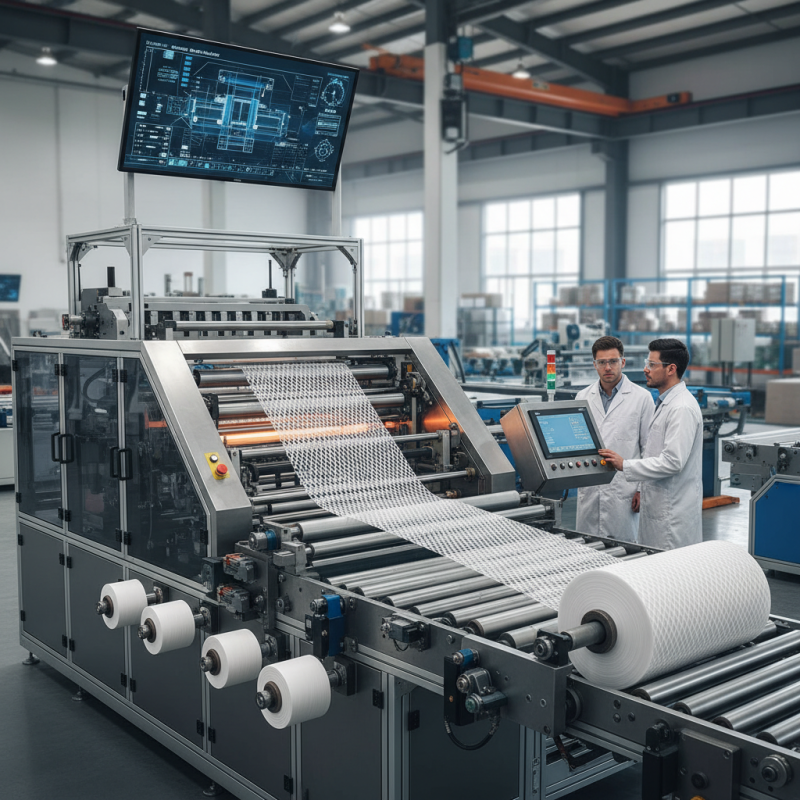
The operation of a fiberglass mesh machine involves several key components. It typically includes a weaving section, where fiberglass threads intertwine to form the mesh. The machine uses computerized systems for precision and efficiency, ensuring uniformity in production. This technology minimizes human error and optimizes material usage, but it also demands regular maintenance. If improperly maintained, the machine's performance can decline, leading to increased waste.
Moreover, the production process can produce specific challenges. For instance, ensuring consistency in mesh thickness is vital. Variations can impact the strength and application of the final product. A study published in a materials science journal revealed that even minor deviations in mesh dimensions can reduce structural integrity significantly. Thus, manufacturers need to stay vigilant and assess their machinery frequently to ensure quality output.
Key Components of a Fiberglass Mesh Machine
A fiberglass mesh machine operates through a few key components. The drive system, usually a motor or gearbox, powers the machine. This system moves the mesh material through various processing stages. The quality of the motor directly influences the machine's efficiency and output.
Another critical component is the weaving mechanism. It is responsible for interlacing fiberglass strands to produce a durable mesh. Advanced machines can reach production rates of up to 2000 square meters per hour. However, maintaining consistency can be challenging. Variations in strand thickness can lead to weak spots in the finished product.
The final essential component is the cutting system. It cuts the mesh into desired sizes. However, precision can sometimes be an issue, leading to material waste. Reports indicate that up to 10% of production can be lost in faulty cuts. Overall, understanding these components is vital for improving fiberglass mesh machine performance.
How Does a Fiberglass Mesh Machine Operate?
A fiberglass mesh machine is a key player in producing fiberglass mesh. This machine automates the weaving process. It works with strands of fiberglass, weaving them to create a mesh fabric. The structure is lightweight yet strong, making it ideal for various applications.
The operation begins with loading fiberglass yarn into the machine. The yarn travels through guides that align it for weaving. The machine uses a series of rollers and weavers, which move in a rhythmic manner. This movement interlaces the yarn, forming a stable mesh. Some machines have adjustable settings, allowing for different mesh sizes.
Quality control is essential throughout the process. Inconsistent weaving can lead to weak spots in the mesh. Operators must frequently inspect the output. Even minor flaws may affect the overall strength of the finished product. Thus, it’s crucial to strike a balance between speed and quality. It’s a delicate dance between efficiency and precision in fiberglass mesh production.
Applications of Fiberglass Mesh in Various Industries
Fiberglass mesh is widely used in various industries due to its strength and versatility. In construction, it provides reinforcement for plaster and concrete. This enhances durability and reduces cracking. The lightweight material is easy to transport and install, making it a popular choice among builders.
In the automotive sector, fiberglass mesh is utilized in manufacturing lightweight parts. These parts improve fuel efficiency and overall vehicle performance. Additionally, this material is resistant to chemicals, making it suitable for use in environments that are harsh.
**Tip:** Always consider the specific requirements of your project. Check the compatibility of fiberglass mesh with other materials used. While fiberglass offers many advantages, improper application can lead to issues. It’s crucial to follow best practices for installation to ensure longevity.
In the sports industry, fiberglass mesh is used in manufacturing equipment. From protective gear to athletic facilities, its application is extensive. However, not every mesh type is suitable for all situations.
**Tip:** Research different mesh specifications. Different weights and coatings can affect performance. An informed choice can prevent future regrets.
Maintenance and Troubleshooting for Fiberglass Mesh Machines
Maintaining a fiberglass mesh machine is crucial for ensuring optimal performance. Regular check-ups can help prevent unexpected breakdowns. Keep an eye on the rollers, as wear and tear can affect production speed. Lubricate moving parts routinely to reduce friction. Ensure that the mesh is feeding correctly. Misalignments can lead to wastage and poor quality.
Troubleshooting is essential when problems arise. If the machine shows inconsistent mesh tension, check the tension adjustment system. Sometimes, it may need recalibration. If the fiberglass does not bond well, ensure that the adhesive application is even. Uneven application can result in defects. Additionally, monitor for unusual noises. They can indicate that something is amiss. Ignoring these signs could lead to larger issues down the line.
Some users may neglect minor issues, thinking they will resolve on their own. This often leads to bigger problems later. Having a maintenance log can be beneficial. It helps to track what has been serviced and what still needs attention. By staying proactive, the longevity of the machine can significantly improve.