Essential Tips for Choosing a Towable Boom Lift?
When it comes to selecting the right equipment for elevated work, a Towable Boom Lift stands out. This versatile machine is designed to reach high places safely and efficiently. However, choosing the right one can be challenging. Several aspects demand attention, including working height, load capacity, and mobility.
Consider your specific needs. Are you working on a construction site or a delicate indoor project? Each scenario requires different features in a Towable Boom Lift. Take the time to analyze these needs carefully. Don't overlook the importance of manufacturer reputation and customer reviews. These can provide insights that specifications alone might miss. Finding the perfect model may take time and research, but the right choice can enhance safety and productivity on the job.
Mistakes happen, and it’s okay to learn from them. Avoid rushing the decision-making process. Reflect on past experiences and seek advice from industry professionals. A thoughtful approach will help you select the ideal Towable Boom Lift for your tasks.
Understanding the Basics of Towable Boom Lifts
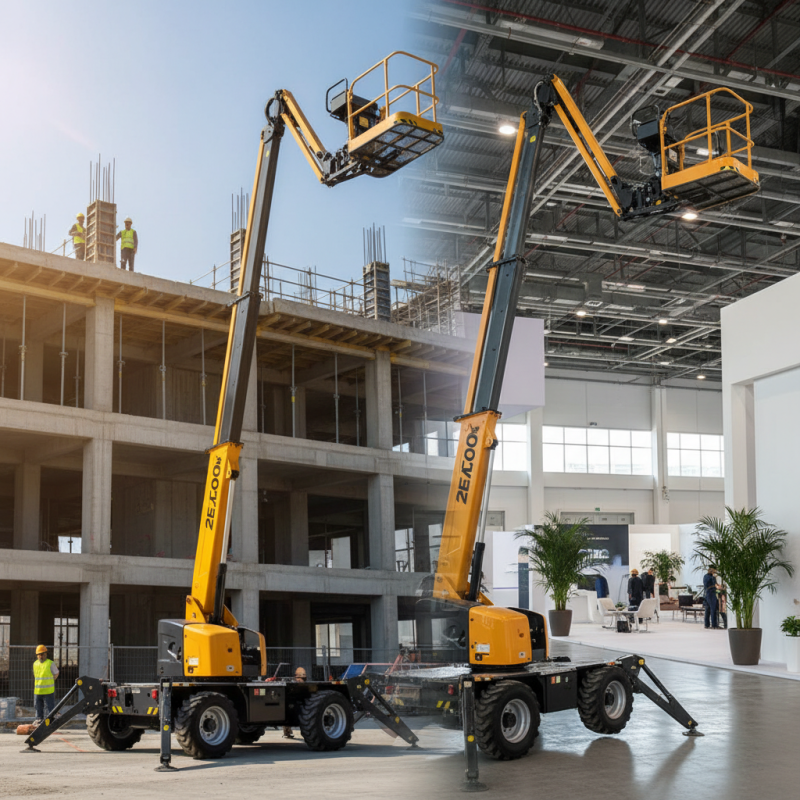
Towable boom lifts are essential tools for accessing hard-to-reach areas. They are compact and easy to transport, making them ideal for various job sites. Understanding their key features is crucial when choosing one. Look for height and reach specifications. Consider the platform capacity. A higher capacity allows for more workers or equipment at a time.
When evaluating towable boom lifts, safety is paramount. Check for stabilizers and safety features. These can prevent accidents and ensure stability during operations. Many lifts offer various controls for simplicity and efficiency. However, sometimes operators struggle to use them properly, leading to risky situations.
Maintenance is another aspect to consider. Regular checks can prevent breakdowns and enhance safety. Some people overlook this and face costly repairs. It’s wise to create a maintenance schedule. Think about the environments where the lift will be used. Tight spaces can pose challenges, and some lifts may not be suitable. Reflect on these factors carefully.
Essential Tips for Choosing a Towable Boom Lift
This chart illustrates the key factors to consider when selecting a towable boom lift. The data showcases the importance of each factor based on user feedback and industry insights, helping potential users make informed decisions.
Key Factors to Consider When Selecting a Towable Boom Lift
When selecting a towable boom lift, several critical factors come into play. The working height is paramount. Consider the maximum elevation you need to reach for your tasks. Also, evaluate the lift's weight capacity. This ensures the equipment will safely handle both personnel and tools. A wrong choice here could lead to safety issues.
Another essential detail is the lift's maneuverability. Some models are easier to transport than others, affecting your work efficiency. Think about the terrain where the lift will be used. If you expect uneven ground, opt for a model with wider tires and good traction. Stability is key during operation.
Maintenance and ease of use should not be overlooked. Check how user-friendly the control systems are. Some machines require a learning curve, which can lead to delays. Regular checks and service can also be a hassle. A well-documented service history can be beneficial. Make a list of features that matter most. Each project is unique, and your choice reflects that. Reflect on your previous experiences to guide your decision.
Assessing Your Worksite Requirements for Boom Lift Use
When assessing your worksite requirements for a towable boom lift, the first step is to evaluate the specific tasks at hand. This involves considering the height needed to complete the job effectively. Are you working on a multi-story building or a simple residential structure? The complexity of the project can heavily influence your choice of lift.
Next, think about the terrain where the lift will be deployed. Is the ground flat or uneven? A stable surface is crucial for safe operation. You might face challenges like soft soil or slopes. It's essential to reflect on how these conditions might affect lift performance.
Additionally, consider the access points. Are there narrow passages? You may need a compact lift to navigate tight spaces safely.
Lastly, consider the safety features you require. Visibility, weight capacity, and stability are key components. Each job has unique risks. Failing to address them can lead to accidents or delays. Determining these factors ensures the right equipment is chosen and increases productivity while keeping everyone safe.
Evaluating Safety Features in Towable Boom Lifts
When selecting a towable boom lift, safety features are paramount. According to industry reports, nearly 30% of workplace accidents involve inadequate safety measures. A reliable safety harness system, for instance, can prevent serious injuries. Ensure the model has a certified harness with clear instructions. Consider the emergency stop function too; an accessible button can save lives in critical situations.
Stability is another key aspect. The lift should have outriggers for enhanced balance on uneven terrain. Reports indicate that improper setup is a common cause of accidents, with over 40% of incidents arising from fall-related issues. Additionally, check for safety alarms and alerts. These features can warn operators about potential hazards, enhancing overall safety.
Maintenance of safety features is essential. Regular inspections can reveal issues before they lead to accidents. Ignoring such checks might result in serious consequences. Investing in a model with a robust safety track record is wise. Always prioritize safety. The right choice can make a significant difference in reducing workplace hazards.
Comparing Rental vs. Purchase Options for Towable Boom Lifts
When deciding between renting or purchasing a towable boom lift, consider your project's duration. Rental is ideal for short-term use. It offers flexibility and reduces upfront costs. Many companies provide rental options that include maintenance. You can avoid some expenses this way.
On the other hand, purchasing makes sense for long-term projects. It offers convenience and availability whenever needed. However, buying requires a significant investment. You’ll also take on maintenance responsibilities. This can be overwhelming, especially if you’re unfamiliar with machinery.
Evaluate your specific needs carefully. Analyze the frequency of use and budget constraints. Renting might seem economical at first. But over time, purchasing may provide better value. Make a decision that fits your situation, even if it leads to some regret later.