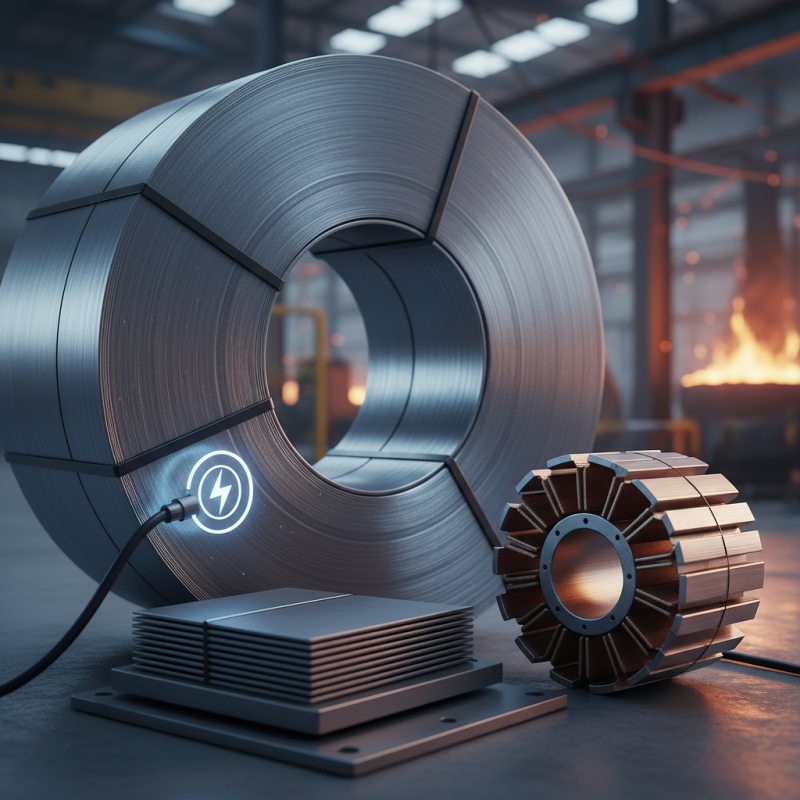
What is Electrical Steel and Its Importance in Industry?
Electrical Steel is a specialized material vital for the manufacturing of electrical components. Its unique properties enhance efficiency in various applications. As industries evolve, the demand for high-performance materials like Electrical Steel continues to grow.
This material plays a critical role in transformers, electric motors, and generators. The high magnetic permeability of Electrical Steel reduces energy losses. However, not all Electrical Steel grades are created equal. The choice of grade can impact production costs and energy efficiency in devices.
Despite its advantages, challenges remain in the production of Electrical Steel. Manufacturers often struggle with the balance between cost and performance. As technology advances, the industry must innovate. Future developments in Electrical Steel could lead to significant improvements. Yet, understanding its complexities requires ongoing research and reflection.
What is Electrical Steel?
Electrical steel is a specialized steel used in electrical applications. It has unique magnetic properties that improve efficiency in transformers, motors, and generators. This type of steel is essential in minimizing energy losses. It is often silicon-alloyed to enhance permeability, reducing the amount of electricity wasted as heat.
When selecting electrical steel, consider thickness and grade. Thinner sheets can lower energy losses, but they may be more vulnerable to mechanical stresses. Ensure the material fits the specific application's demands. Industrial designers sometimes overlook these factors, which can lead to inefficiencies.
Tip: Always test samples of electrical steel in real conditions. This helps identify the best match for your needs. Different grades may perform better in varied environments. Additionally, consulting with metallurgists can provide insights into long-term performance and cost-effectiveness.
Not every project prioritizes the right type of electrical steel. Sometimes, brands may choose cheaper alternatives, which can backfire. Reflecting on material choices can prevent future issues. Enhanced performance often justifies higher initial costs.
The Composition and Properties of Electrical Steel
Electrical steel is a specialized material crucial for the manufacturing of electrical components. Its primary role is in transformers, motors, and generators. The composition of electrical steel typically includes silicon, which improves its magnetic properties. Most electrical steels contain about 3% silicon, enhancing their efficiency significantly.
The properties of electrical steel are essential in reducing energy losses. Low core loss is a primary characteristic. According to industry reports, high-quality electrical steel can decrease power loss by up to 30% compared to conventional steel. This reduction is vital for industries focused on energy conservation.
The material is not without its challenges. Manufacturing processes involve precision, and even minor impurities can affect performance. Many manufacturers face ongoing issues with quality control.
Moreover, the mechanical and magnetic properties of electrical steel can vary widely. This variability can complicate production processes. Ensuring consistency in thickness and permeability remains a significant hurdle. As technological demands increase, so do the expectations for electrical steel. Companies must balance cost and performance. It’s a delicate tightrope, where innovation and tradition often collide.
Types of Electrical Steel and Their Applications
Electrical steel is a crucial material in the manufacturing of transformers and electric motors. There are two main types: grain-oriented and non-grain-oriented electrical steel. Grain-oriented steel is preferred for high-efficiency transformers. It has superior magnetic properties, improving energy savings. Non-grain-oriented steel is versatile and used in various applications.
Research shows that grain-oriented electrical steel can improve transformer efficiency by up to 2% compared to standard steel. This percentage can significantly reduce operational costs in large facilities. Non-grain-oriented steel plays a vital role in electric motors, offering good magnetic properties across different orientations. This adaptability is key for industries needing reliable performance.
Tips: Ensure proper handling of electrical steel during fabrication. Mishandling can lead to microstructural damage, affecting performance. Always check suppliers' datasheets for precise material specifications. Inconsistent quality can lead to higher failure rates. Balancing costs and performance is essential in choosing the right type of electrical steel for your application. Understand your requirements well to make informed decisions.
The Role of Electrical Steel in Electrical Equipment
Electrical steel plays a crucial role in the world of electrical equipment. It is designed specifically to enhance the efficiency of electrical devices. Such devices depend on the magnetic properties of electrical steel. This material is commonly used in transformers, generators, and motors. The unique characteristics of electrical steel allow these components to function smoothly.
When selecting electrical steel, it's essential to consider its magnetic properties. A high permeability ensures efficient operation. Additionally, lower core losses lead to energy savings. Tips for choosing the right steel include analyzing specifications and understanding the application. Always remember to verify compatibility with your equipment needs.
However, not every type of electrical steel is suitable for every application. Sometimes, a specific steel may not meet the demands of high-frequency devices. Conducting some tests can help identify the best material. Investing time in research is worth it. It might prevent future issues like overheating or inadequate performance.
Future Trends and Innovations in Electrical Steel Production
Electrical steel plays a critical role in various industries, particularly in manufacturing electric motors and transformers. As demand for energy-efficient equipment rises, innovations in electrical steel production have become essential. New processing techniques aim to enhance magnetic properties while reducing core losses. These advancements can lead to lighter, more efficient devices.
Recent developments focus on thinner gauges of electrical steel. This can significantly improve performance in electric machines. Researchers explore novel alloy compositions to achieve better magnetic saturation. The environmental impact of production processes also demands attention.
However, challenges remain. Balancing cost and quality can be difficult. Some methods may increase manufacturing expenses, posing a barrier for adoption. Additionally, the materials used in production need to be carefully sourced. Sustainability must be a priority. The future of electrical steel relies on integrating efficiency with responsible practices. It’s a complex journey, but one that promises a promising horizon.
Electric Steel Production Trends (2015-2023)
This bar chart represents the global production of electrical steel from 2015 to 2023. As the demand for electric vehicles and renewable energy technology grows, the production of electrical steel is anticipated to increase, highlighting its importance in modern industries.