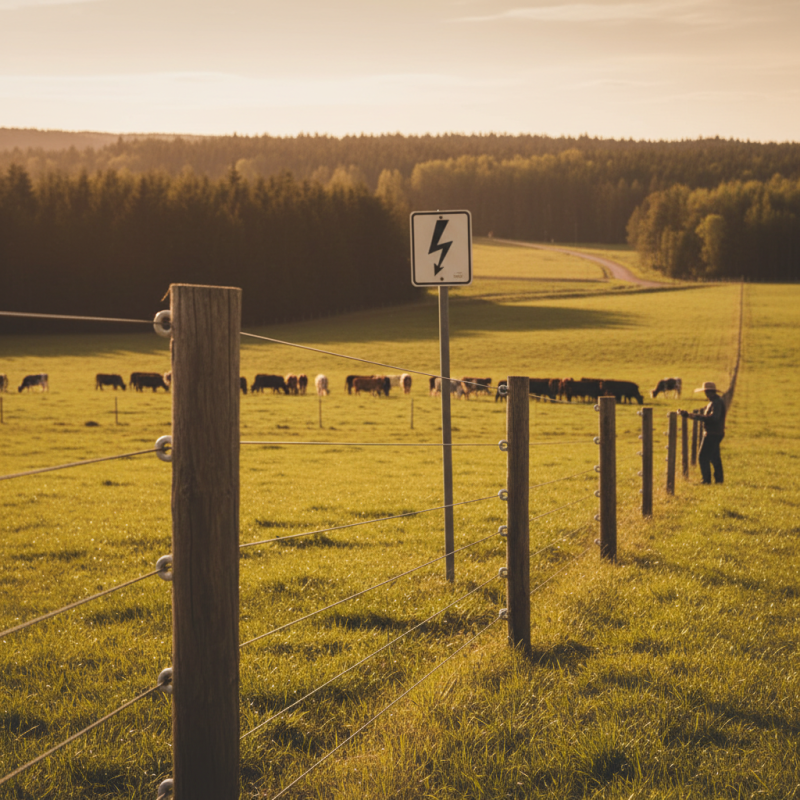
How to Use High Voltage Output Electric Fence Effectively?
Using a high voltage output electric fence can be an effective method for securing your property. This type of fence delivers a powerful shock, deterring intruders and keeping livestock safe. However, improper use may lead to accidents or unintended harm.
When considering installation, ensure proper placement of the high voltage output electric fence. Position it away from public areas to minimize risks. Regular maintenance is crucial. Check for wear and tear, ensuring that the voltage remains effective. Ignoring these details can result in failure.
Adequate knowledge of electrical safety is essential. Misunderstandings may occur. Always educate those who may come into contact with the fence, including pets. A high voltage output electric fence is a formidable tool, but it demands respect and awareness. Making mistakes here can lead to serious consequences.
Understanding High Voltage Electric Fences and Their Benefits
High voltage electric fences offer numerous benefits, primarily for property protection and livestock management. These fences deliver a swift, safe shock when contact is made, deterring intruders and keeping animals contained. The well-designed system utilizes specific spacing for wires and posts, ensuring a robust barrier. Regular maintenance is crucial. Neglecting it can compromise effectiveness.
Understanding how these fences work is essential. They produce a short, sharp pulse of electricity that is harmless but effective. The design can be customized to meet specific needs, accommodating various terrains and animal types. Sometimes, the installation might go awry. Improper grounding or insufficient voltage can lead to failures. Recognizing these issues allows for quick adjustments.
The psychological impact on animals is notable. The shock teaches them to avoid the fence, shaping their behavior over time. However, some adjust faster than others. Continuous monitoring can help discern if adjustments are needed. A consistent approach not only enhances reliability but also ensures optimal security. Proper use of high voltage electric fencing can be a game changer when implemented effectively.
Selecting the Right High Voltage Electric Fence System for Your Needs
When selecting a high voltage electric fence system, consider the type of animals you intend to contain. Different species react differently to electric shocks. For example, studies show that large livestock, like cattle, require a fence with higher voltage output for effective deterrence. A voltage range between 5,000 to 10,000 volts is often recommended for such animals. Conversely, smaller animals may need less.
Equally important is the terrain where the fence will be installed. Rocky or uneven ground can diminish the electric shock's effectiveness. Data suggests that maintaining solid connections is essential to prevent power loss. Each section of the fence should be inspected regularly. Failing to do so can lead to gaps, allowing animals to escape.
Additionally, assess the power source for your fence. Solar-powered systems are popular, but they may not always maintain high voltage output in cloudy conditions. Battery-operated systems can suffer if not regularly checked. Regular maintenance is not just a recommendation; it’s essential for ensuring optimal performance. Always prioritize safety measures, including proper signage around the fence. Remember that the effectiveness of an electric fence relies heavily on consistent monitoring and appropriate adjustments.
Proper Installation Techniques for High Voltage Electric Fences
When installing a high voltage electric fence, proper techniques are crucial for effectiveness. Begin by selecting the right location. Identify areas where you need protection. Ensure that the ground is firm and clear of debris. This will help in proper grounding.
Next, consider the fence height. A minimum of four to five strands is advisable. Height matters for deterring animals. If it’s too low, the fence won’t be effective. Use insulators to maintain voltage on the wires. Insulators keep the current from grounding out and maintain efficiency. Ensure they are installed tightly and evenly spaced.
**Tips:** Ensure that the fence signs are clear and visible. This alerts people to the potential danger. Regularly check the tension of the wires. Loose wires can lower the voltage and effectiveness. Review the installation periodically. What might work today may need adjusting tomorrow.
Effective High Voltage Electric Fence Usage
This chart illustrates the effectiveness rating of various factors that influence the performance of high voltage electric fences. The factors include installation quality, voltage level, maintenance frequency, and barrier type, providing insights for improving overall fence efficiency.
Maintaining and Troubleshooting Your Electric Fence Setup
Maintaining your high voltage electric fence is crucial for its effectiveness. Regular inspections help identify issues early. Check for broken wires and damaged insulators. These can cause interruptions in the electric signal.
Tips: Use a voltage tester to ensure the fence is working properly. Test different sections to pinpoint problems.
Weather can impact your fence. Rain, snow, and wind can create wear. Make adjustments after storms. Look for sagging wires or fallen branches. These issues could lead to reduced voltage.
Tips: Keep a maintenance log to track repairs and inspections. This will help in understanding patterns and recurring problems.
Troubleshooting is part of the game. Sometimes, the fence may seem dead. Check the power source first. A blown fuse or tripped circuit can cause issues. If everything looks good, look for grounding issues. Poor grounding can lead to shock problems.
Tips: Always handle wires and connections carefully. Wear gloves when checking for loose connections. Safety is a priority.
How to Use High Voltage Output Electric Fence Effectively? - Maintaining and Troubleshooting Your Electric Fence Setup
| Aspect | Description | Tips |
| Voltage Level | Ensure the electric fence has a suitable voltage level (8000-10000 volts for livestock). | Regularly test the voltage with a tester. |
| Grounding System | A proper grounding system helps ensure the fence operates effectively. | Use multiple ground rods spaced 10 feet apart. |
| Fence Maintenance | Regularly check for vegetation or debris touching the wires. | Schedule monthly inspections to clear any obstructions. |
| Insulator Condition | Check insulators to ensure they are not cracked or damaged. | Replace any faulty insulators immediately. |
| Troubleshooting | If the fence is not working, troubleshoot the power source and connections. | Check connections for corrosion and ensure power is supplied. |
Safety Precautions When Using High Voltage Electric Fences
Safety is paramount when using high voltage electric fences. These fences are effective for livestock management, but they come with risks. A recent industry report notes that improper handling can lead to severe accidents. High voltage can cause serious injuries or even fatalities. According to the National Electric Fence Association, over 300 incidents occur yearly due to safety neglect.
Proper signage is a must. Clear warning signs should be visible to prevent accidental contact. Each fence section should be securely maintained to avoid unintended shocks. Regular inspections are crucial. Broken insulators or worn wires are hazards that can lead to malfunctions. Unexpected shocks can cause livestock stress and may lead to escape attempts.
Training is essential for anyone managing the fence. Understanding how it operates helps reduce risks. Many accidents result from a lack of knowledge. Users should also keep pets away from the fencing area. A shocking experience can traumatize them. Always have a first aid kit nearby. Being prepared is part of responsible management.