Double Eccentric Butterfly Valve Tips for Optimal Performance?
The double eccentric butterfly valve is a crucial component in various piping systems. Its design enhances performance and efficiency in controlling flow. However, achieving optimal performance with this valve type requires careful consideration and understanding.
Key aspects include proper installation and the right materials for specific applications. A well-selected double eccentric butterfly valve can minimize turbulence and pressure drop. Yet, issues may arise due to improper sizing or incorrect installation techniques. Users often overlook these details, which might lead to reduced performance.
In practice, maintenance is also significant. Regular checks can prevent leaks and ensure longevity. Identifying wear and tear early can save costs in the long run. Thus, while the double eccentric butterfly valve is effective, users must remain vigilant. Reflecting on these tips can greatly enhance valve performance and overall system reliability.
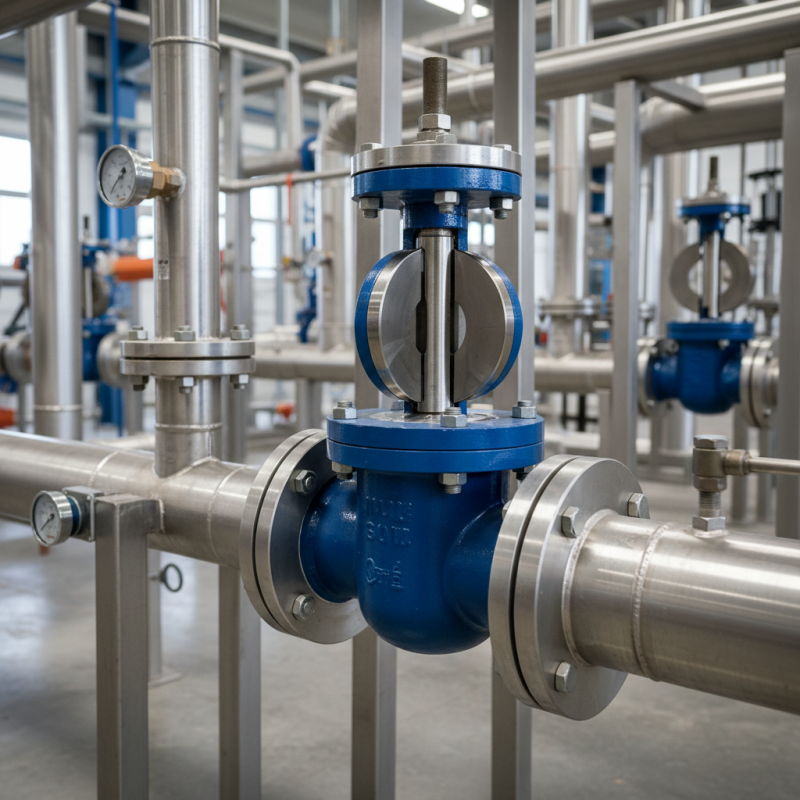
Understanding Double Eccentric Butterfly Valve Design Principles
Double eccentric butterfly valves are known for their unique design features. Their geometry reduces friction during operation, leading to lower torque requirements. The disc rotates off the seat, minimizing wear and tear over time. The design allows for improved flow characteristics. A smoother flow path can enhance system efficiency.
Understanding the construction is essential. The double eccentric design consists of two key offsets. This feature effectively separates the rotational axis from the seating axis. However, it may cause issues like vibrations in some applications. Addressing these concerns requires careful monitoring of system conditions.
Material selection is vital in valve durability. Using the right materials can prevent premature failures. However, factors such as temperature and flow type can complicate decisions. Regular maintenance is necessary to ensure optimal performance. Poor maintenance can lead to unexpected downtimes, which may impact operations significantly.
Key Advantages of Double Eccentric Butterfly Valves in Fluid Control
Double eccentric butterfly valves offer several key advantages in fluid control. Their design minimizes friction during operation. This results in smoother flow and less wear over time. Users appreciate reduced energy costs and maintenance needs. The sealing mechanism is more effective, providing a tight closure even under high pressure.
Tips for optimal performance:
- Regular inspections are essential.
- Check for signs of wear or damage on seals.
- Proper alignment during installation is crucial. Even slight misalignment can lead to leaks.
- Ensure that the valve is not exposed to extreme temperatures beyond its rating as this may affect its functionality.
Consider the material compatibility with the media being handled. Choosing the right materials is essential for longevity. Minor oversights can lead to significant issues. Paying attention to these details can prevent costly repairs. Double eccentric butterfly valves are a smart investment when properly utilized. They can transform fluid management across various applications.
Maintenance Tips for Enhancing Double Eccentric Butterfly Valve Longevity
Double eccentric butterfly valves are essential in many systems. To ensure their longevity, proper maintenance is crucial. Regular inspection is necessary. Look for signs of wear and tear. If there’s any discoloration, replacement may be needed.
Cleaning should occur periodically. Dust and debris can affect performance. A simple rinse with warm water can do wonders. Use a soft brush to reach crevices. However, avoid harsh chemicals that can damage the valve material. Maintaining proper torque on the bolts is another important step. Over-tightening can lead to structural damage.
Lubrication is necessary but shouldn’t be overlooked. Use the appropriate grease and avoid over-lubrication. This can attract dirt and create sludge. Record maintenance activities to track performance. It helps identify recurring issues. These practices may seem tedious, yet consistency yields results. Regular maintenance can be a challenge, but it pays off in the long run.
Common Applications of Double Eccentric Butterfly Valves in Industry
Double eccentric butterfly valves have become essential in various industries due to their unique design. These valves feature a shaft that is offset from the center of the disc. This offsets design reduces friction during operation, allowing for smoother performance. In sectors such as oil and gas, water treatment, and chemical processing, these valves contribute significantly to efficiency.
In a report by the International Journal of Engineering Technology, double eccentric butterfly valves are shown to improve flow rates by up to 25% compared to concentric designs. This can be critical in processes that rely on precise flow management. Moreover, these valves excel in applications where space is limited. They are compact yet capable of handling high pressures. For instance, they are widely used in pipeline systems for transporting natural gas and in various manufacturing systems.
Despite these advantages, challenges remain. Installation can be tricky. If not aligned properly, it may lead to uneven wear. Regular maintenance is crucial to ensure longevity. Some operators report issues with leakages after extended use, underscoring the need for quality control in production. Overall, while double eccentric butterfly valves are reliable, care is essential to achieve their full potential.
Common Applications of Double Eccentric Butterfly Valves in Industry
Troubleshooting Performance Issues in Double Eccentric Butterfly Valves
When dealing with double eccentric butterfly valves, performance issues can arise from design flaws or improper maintenance. For instance, wear and tear on the seating surface can lead to leakage. According to industry reports, a significant percentage of valve failures relate to these seating concerns. Ensuring an appropriate seating angle is crucial, as it affects the sealing capabilities of the valve.
**Tips:** Regularly inspect the valve for signs of wear. Look for uneven sealing surfaces. Maintaining a clean operating environment can enhance valve longevity.
Additionally, improper actuator settings can also contribute to performance issues. An actuator that is too tight can cause stress on the valve body, potentially leading to fractures. Data shows that poorly adjusted actuators are linked to reduced efficiency in up to 30% of installations. Rethinking actuator calibration could prevent future complications and enhance reliability.
**Tips:** Check actuator settings periodically. Ensure you follow the manufacturer’s guidelines for adjustments. Simple changes can improve overall function.
Double Eccentric Butterfly Valve Tips for Optimal Performance
| Parameter | Value | Importance | Troubleshooting Suggestions |
| Seal Integrity | High | Critical for preventing leaks | Inspect seals for wear and replace if necessary |
| Actuator Performance | Normal | Ensures valve operates effectively | Check actuator alignment and power supply |
| Flow Rate | 25% Capacity | Affects system efficiency | Adjust valve position for optimal flow |
| Temperature Rating | 150°C | Critical for material integrity | Ensure valve material is rated for temperature |
| Pressure Drop | 5 psi | Indicates flow resistance | Check for blockages upstream and downstream |