Top Conveyor Belt Rollers Common Issues and Solutions?
When it comes to conveyor systems, conveyor belt rollers play a crucial role. They help maintain the belt's alignment and support the weight of the materials being transported. However, like any mechanical component, these rollers can face issues over time. Common problems include misalignment, excessive wear, and bearing failures.
Addressing these problems is essential for maintaining efficiency and productivity. Regular maintenance checks can reduce unexpected downtimes. Owners should inspect for signs of wear and listen for unusual noises. Ignoring these issues can lead to costly repairs and longer downtime.
Understanding the common issues related to conveyor belt rollers and their solutions is vital. Recognizing early warning signs can prevent bigger problems down the road. Each solution might seem straightforward, yet implementation can be tricky. Regular training for staff can enhance troubleshooting skills. A proactive approach is often more effective than reactive fixes.
Common Issues Faced by Conveyor Belt Rollers
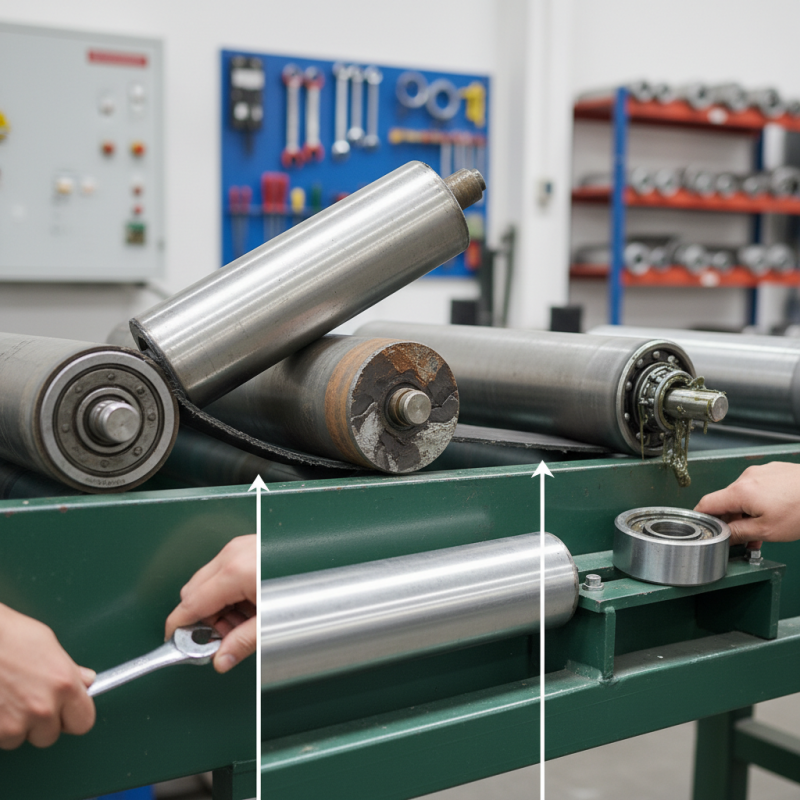
Conveyor belt rollers are essential for smooth operation. However, they often face several common issues. One major problem is misalignment. This can cause uneven wear and lead to premature failure. Regular checks can help identify misalignment before it becomes a larger issue. Using simple tools can make this process easier.
Another frequent issue is dirt and debris accumulation. Dust and materials can hinder roller movement. Keeping the rollers clean is necessary. A quick inspection during maintenance can help. Operators should develop a cleaning routine. It’s easy to overlook this, but it’s crucial for long-term functionality.
Bearing wear is also a common concern. If bearings are not lubricated properly, they can fail. This leads to increased noise and potential downtime. Regular lubrication checks can help prevent this scenario. Taking time to monitor these components is often underestimated. Addressing these issues early can save time and money later.
Understanding the Mechanics of Conveyor Belt Rollers
Conveyor belt rollers play a critical role in material handling systems. They support the conveyor belt and ensure smooth operation. Understanding their mechanics is vital for efficient functioning. Rollers reduce friction, allowing materials to move seamlessly. Their design varies, impacting performance greatly. A simple misalignment can cause significant downtime.
Common issues include wear and tear, especially from heavy loads. Over time, rollers may warp or degrade. This leads to uneven motion and increased strain on the belts. Inspecting them regularly can prevent such problems. Maintenance is often neglected. Regular lubrication and cleaning are essential. Skipping these actions can result in costly repairs.
Another issue is noise. Unusual sounds may indicate internal problems. Identifying these early can save resources. Sometimes, it’s hard to pinpoint the exact cause of noise. This requires a careful approach to troubleshooting. Overall, understanding roller mechanics helps in averting serious operational issues. Regular monitoring and timely interventions make a difference. It's a matter of maintaining the system effectively.
Top Conveyor Belt Rollers Common Issues and Solutions
This bar chart illustrates the common issues faced with conveyor belt rollers. Misalignment is the most prevalent issue, followed by wear and tear, bearing failure, corrosion, and the accumulation of dust and debris. Addressing these issues promptly is essential for maintaining the efficiency and longevity of conveyor systems.
Identifying Signs of Wear and Tear in Rollers
When it comes to conveyor belt rollers, wear and tear can be a significant issue. Identifying early signs can prevent costly downtime. Regular inspections are crucial. Look for uneven wear patterns on the rollers. This could indicate misalignment. If you observe cracks or excessive rust, these are also red flags. According to industry reports, 30% of conveyor downtime stems from roller failure.
Vibration is another indicator. If you notice unusual vibrations, inspect the rollers immediately. The bearing seal might be failing or the components misaligned. A study showed that addressing these issues early reduced maintenance costs by up to 25%.
Tip: Keep a log of roller conditions. Regular tracking can reveal trends over time. This helps in scheduling timely replacements. Also, consider incorporating wear indicators. Visual cues can alert operators to potential issues before they escalate. A proactive approach is always more effective than waiting for a breakdown.
Effective Solutions for Roller Replacement and Maintenance
In the world of conveyor systems, roller issues are common. Rollers can wear out, leading to inefficiencies. Over time, dirt and debris accumulate, causing friction. This friction can lead to overheating and damage. Regular inspection helps catch these problems early. Look for signs of wear or misalignment.
When it comes to roller replacement, consider the materials used. Some may not withstand heavy loads or harsh environments. This choice matters for longevity. Installation should focus on proper alignment as well. Misaligned rollers can cause uneven wear, worsening the problem. It's often overlooked but critical for smooth operation.
Maintenance is equally essential. Regular lubrication can extend roller life. However, over-lubrication can attract more dirt. Balance is key. Set a maintenance schedule to monitor performance. Documenting issues can lead to better strategies. Reflect on past problems to improve future processes.
Preventative Measures to Extend Roller Lifespan
When it comes to conveyor belt rollers, maintenance is crucial for ensuring longevity. Regular inspections can catch early signs of wear. Check for cracks or misalignments. These small issues can lead to larger problems if ignored. You might think everything is fine, but a quick look can reveal the unexpected. Preventative maintenance should be structured yet flexible. Develop a routine that can adapt to the specific conditions of your facility.
Lubrication plays a vital role in extending roller lifespan. It helps reduce friction and wear. However, over-lubrication can attract dust and debris, causing more harm than good. Aim for a balance. Implement a schedule that takes into account the environment. Extreme conditions can affect roller performance differently. Pay attention to noise levels as well. Unusual sounds may signal underlying issues, often overlooked during standard checks.
Environmental factors can also impact roller durability. Humidity and temperature fluctuations play a significant role. Ensuring proper drainage around conveyor systems can prevent water damage. Consider installing protective covers. They can shield components from harsh conditions. Regularly review your maintenance strategy, and stay open to adjustments. Reflect on past issues, and avoid repeating mistakes. Every step taken toward better care offers greater reliability for your operations.
Top Conveyor Belt Rollers Common Issues and Solutions
| Common Issues | Possible Causes | Solutions | Preventative Measures | Expected Lifespan Extension |
| Misalignment | Improper installation or wear | Realign rollers and belts | Regular alignment checks | 20-30% |
| Worn Bearings | Lack of lubrication or dirt contamination | Replace bearings and clean | Regular lubrication schedule | 15-25% |
| Excessive Noise | Bearing failure or misalignment | Inspect and replace faulty components | Conduct noise level assessments | 10-20% |
| Roller Seizure | Contamination or lack of maintenance | Clean and lubricate or replace | Implement a preventive maintenance program | 25-35% |
| Corrosion | Exposure to humidity or chemicals | Use corrosion-resistant materials | Regular inspections and coatings | 30-40% |