How to Choose the Right Frequency Converter for Your Needs?
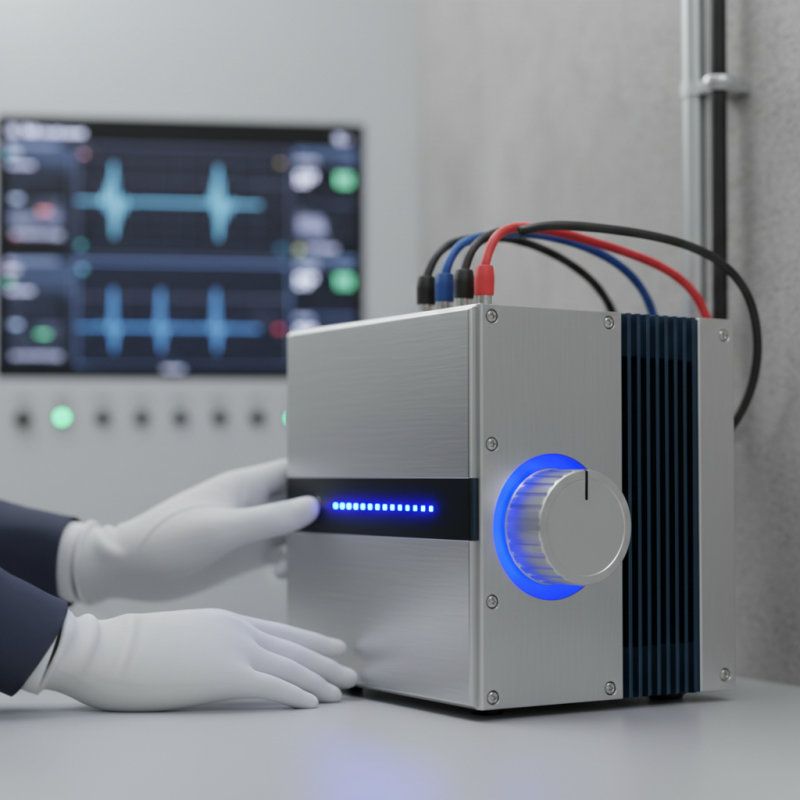
Choosing the right Frequency Converter for your needs is essential. A frequency converter can enhance efficiency and performance. It changes the frequency of power supply, adapting to various equipment requirements.
Understanding the types of frequency converters available is crucial. Different applications demand different converters. Some might prioritize cost, while others may focus on quality and durability. It’s important to assess your specific needs.
Many factors influence the selection process, including voltage levels and environmental conditions. The right frequency converter should align with your system’s specifications. It is easy to overlook details, so thorough research is necessary before making a decision. Consider consulting with experts to ensure your choice is informed.
Understanding Frequency Converters and Their Functions
Frequency converters are essential in various industries, serving to adapt electrical supply for different applications. They modify the frequency of electrical power to suit specific machinery or processes. This function is crucial in sectors like manufacturing, where motors operate at optimal performance levels with specific frequency settings. Understanding the mechanics of these devices can significantly impact operational efficiency.
When selecting a frequency converter, it is vital to assess the application requirements. Different converters offer varied functionalities, such as variable frequency drives (VFDs) or static frequency converters. Each type serves unique needs. For example, a VFD can improve energy efficiency while providing smoother motor control. However, some users may find it difficult to choose the correct type without a thorough understanding.
Not all solutions are straightforward. A common mistake is overestimating the required specifications. Users may select a converter with unnecessary features, leading to wasted resources. Alternatively, opting for a subpar device can result in operational inefficiencies. Engaging with industry experts or conducting comprehensive research can help in making informed decisions. Every application is unique, and there's always room for improvement in understanding these complex devices.
Frequency Converter Power Ratings Comparison
Identifying Your Power Requirements and Load Types
Choosing the right frequency converter begins with understanding your power requirements. Start by assessing the voltage and current specifications of your application. For example, a motor might require a specific voltage level to function correctly. Knowing this detail ensures optimal performance.
Additionally, identify the load type. Are you dealing with constant torque or variable torque loads? This classification impacts the converter's sizing and selection.
Next, consider the power rating and operating environment. A converter’s power rating must match or exceed the load requirements. If your equipment operates in harsh conditions, such as high temperatures or humidity, you may need a more robust unit. Real-world applications often expose weaknesses in initial assessments. A converter might underperform if it’s not suited for specific loads.
Finally, be aware of future needs. If your operations expand, can your frequency converter adapt? It’s crucial to choose a unit that not only meets current demands but also offers some scalability. While many factors influence your decision, careful consideration of these aspects helps prevent costly mistakes.
Evaluating Converter Specifications and Features
When selecting a frequency converter, understanding specifications is crucial. Key features include input voltage, output frequency range, and power ratings. The efficiency of converters can significantly affect operational costs. According to industry reports, high-efficiency converters can reduce energy consumption by up to 20%. This could lead to substantial savings in long-term operations.
Consider the control methods of the converter. Options include scalar control and vector control. Scalar control is simpler but less precise. Conversely, vector control allows for superior speed and torque regulation. A recent survey indicated that about 70% of users prefer vector control for applications requiring robust performance. However, it often comes with a higher initial cost and complexity.
Users should also evaluate the physical size and installation requirements. Some converters are compact, ideal for limited spaces. Others may need more extensive setups. Reflect on specific application needs. If a converter is too large, it could lead to wasted resources. If too small, it might not meet performance expectations. Making informed decisions involves reflecting on operational demands and future scalability. The right choice can enhance productivity and efficiency.
Considering Environmental Factors and Installation Requirements
When choosing a frequency converter, environmental factors are crucial. Understanding the operating environment can significantly influence performance. For example, extreme temperatures may affect efficiency. High humidity can lead to corrosion. In less-than-ideal conditions, a robust design is necessary to prevent failures.
Installation requirements are equally important. Consider space constraints and accessibility. Compact models may fit tight areas but could limit heat dissipation. Ensure there's adequate ventilation for optimal operation. Electrical connections must be reliable and compatible with existing systems. Planning these details is vital for long-term success.
Reflecting on past projects can guide your decision. Inspecting failures and successes helps identify key elements. Every environment presents unique challenges. Be ready to adapt your choice based on specific needs and constraints. Taking time to assess all factors will lead to better outcomes. Consider these elements to make a convincing choice.
Budgeting: Cost Analysis and Long-term Investment Factors
When selecting a frequency converter, budgeting is crucial. It's essential to analyze initial costs, maintenance, and energy efficiency. According to industry reports, about 30% of operational costs come from electricity. Investing in an energy-efficient converter can lead to significant long-term savings.
Cost analysis should consider the total lifecycle of the converter. A lower upfront cost might seem appealing. However, it can lead to higher long-term expenses due to energy waste. A well-regarded source indicates that premium converters can improve energy efficiency by up to 20%. These savings accumulate over years and can offset the higher initial investment.
Moreover, consider potential repair and replacement costs. Frequency converters can fail if not chosen correctly for specific applications. Research indicates that 25% of faulty installations are due to improper selection. Understanding your needs ensures reliability and can reduce unforeseen expenses. Investing in a high-quality converter enhances operational stability, boosting productivity in the long run.