
How to Choose the Right Electrical Ring Main Unit for Your Needs?
Choosing the right Electrical Ring Main Unit is crucial for any electrical system. This decision affects efficiency, safety, and overall functionality. With various options available, understanding each aspect is essential.
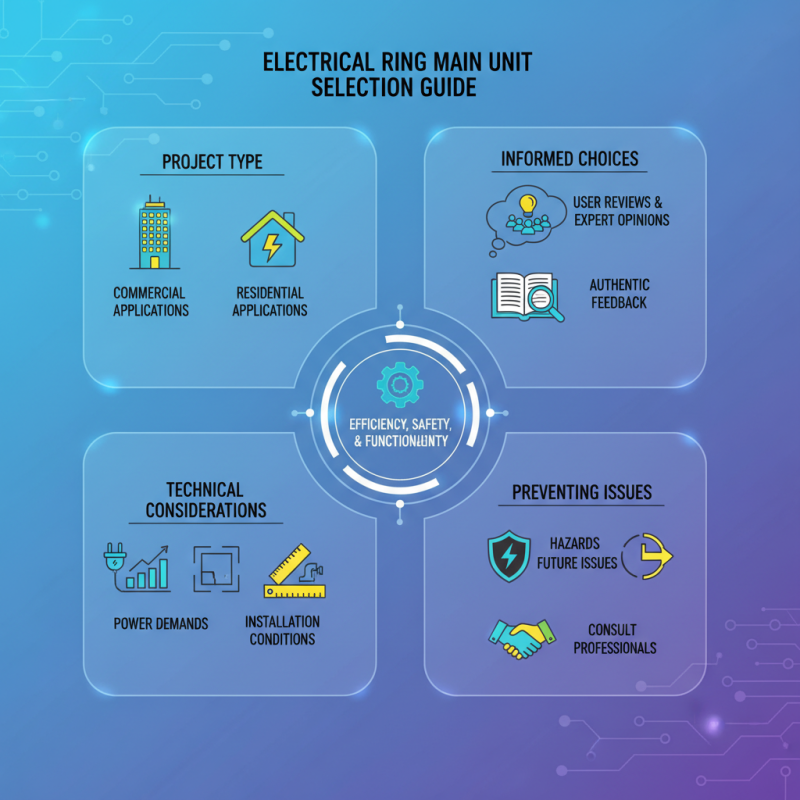
When selecting an Electrical Ring Main Unit, consider your specific needs. The requirements may vary based on projects, such as commercial or residential applications. Power demands, space constraints, and installation conditions play a vital role. A unit that looks good on paper may not suit your context.
User reviews and expert opinions can be invaluable. Authentic feedback often reveals strengths and weaknesses that specs may not disclose. An unreliable unit can lead to hazards. Reflect on past experiences or consult professionals. Making informed choices can prevent future issues.
Understanding Electrical Ring Main Units: Key Concepts and Functions
Electrical Ring Main Units (RMUs) are vital for efficient power distribution. They connect various components in a power network. Their primary function is to manage and protect electrical systems. RMUs can switch, isolate, and protect feeders. This flexibility makes them ideal for urban areas where space is tight.
One key aspect of RMUs is their design. A typical unit includes a switch, fuses, and a transformer. Each component must work seamlessly together. Regular inspections are essential. Over time, wear and tear can lead to failures. Users should be prepared for unexpected issues. Not all units are created equal, and understanding specifications helps in making informed choices.
Another consideration is the environmental impact. RMUs should be placed in areas with minimal disturbance. Some units are better suited for humid or coastal locations. Awareness of these factors can increase lifespan. Engaging with professionals can provide valuable insights. Ensuring best practices in installation and maintenance is crucial.
Assessing Your Power Requirements for Electrical Ring Main Units
Choosing the right electrical ring main unit (RMU) can significantly impact efficiency. Before deciding, it's crucial to assess your power requirements accurately. According to the International Electrotechnical Commission, most commercial facilities require about 5-7 kW per square meter. However, businesses with specialized equipment may need more.
Understanding peak load is essential. Identify your facility's maximum power demand during peak times. This not only helps in selecting the appropriate RMU but also optimizes operational costs. For instance, if your peak load reaches 200 kW, you must choose an RMU that can handle this demand without compromising safety and reliability.
Tip: Regularly monitoring your energy consumption can provide insights into changing power needs. Consider implementing a smart meter for real-time data.
Remember, it’s vital to consult with qualified electrical engineers. They can provide recommendations tailored to your specific situation. They help avoid over-specification, which can lead to increased costs and unnecessary complexity. A detailed load analysis can expose inconsistencies in power usage, prompting further examination.
Tip: Document any fluctuations in your power requirements. This detailed record can guide future upgrades and maintenance needs.
Power Requirements Assessment for Electrical Ring Main Units
Evaluating Different Types of Electrical Ring Main Units Available
When selecting the right electrical ring main unit (RMU), it is crucial to evaluate the different types available. Common types include indoor, outdoor, and compact RMUs. Each type serves specific applications and environments. Indoor units are ideal for buildings with limited space. Outdoor RMUs withstand harsh weather conditions. Compact units are designed for flexibility and efficiency.
Consider the load-bearing capacity of each unit. An RMU must match the electrical demands of your system. Undersizing can lead to overheating or failures. Oversizing may result in unnecessary costs. Always consult installation guidelines to ensure proper configuration.
Tips: Assess the environment where the RMU will be located. Extreme temperatures or moisture levels can affect performance. Ensure the selected RMU has adequate protection features, like overcurrent and short-circuit protection. Checking for compliance with electrical standards is essential.
Maintenance is another aspect to ponder. Regular inspection of connections and components can prevent future issues. Neglecting this can lead to safety hazards and costly repairs. Keep records of maintenance and any alterations made to the system for future reference.
How to Choose the Right Electrical Ring Main Unit for Your Needs?
| Type | Voltage Rating | Current Rating | Protection Class | Applications |
|---|---|---|---|---|
| Type A | 230/400V | 63A | IP65 | Residential Use |
| Type B | 230/400V | 125A | IP54 | Commercial Buildings |
| Type C | 230/400V | 200A | IP66 | Industrial Applications |
| Type D | 230/400V | 400A | IP67 | Heavy Machinery |
| Type E | 230/400V | 800A | IP68 | Data Centers |
Factors to Consider When Choosing the Right Ring Main Unit for Your Setup
When choosing the right electrical ring main unit (RMU), several factors come into play. One crucial aspect is the unit's capacity. Assess your power requirements and ensure the RMU can handle the load. Also, consider the intended application. Different setups may demand varying features, such as switching mechanisms and protection systems. Flexibility in design may also enhance usability in specific environments.
Tips: Evaluate the layout of your space. If the area is compact, a smaller unit may be preferable. In contrast, larger facilities might require more robust systems. Keep in mind that future expansions could influence your decision. Don’t overlook installation requirements; proper alignment with local electrical standards is critical.
Also, think about the maintenance needs. An RMU requiring high upkeep could pose challenges down the road. Look for units that offer user-friendly maintenance features. Reliability should be a priority, ensuring minimal downtime. Lastly, always consult with professionals for tailored advice based on your unique situation. A well-informed choice can save money and enhance safety in the long term.
Maintenance and Safety Tips for Electrical Ring Main Units
Electrical Ring Main Units (RMUs) play a crucial role in power distribution and safety. Proper maintenance ensures their longevity and efficiency. Regular inspections are vital. According to industry reports, more than 40% of equipment failures are due to lack of maintenance. Checking connections and potential corrosion should be part of your routine.
An essential tip for RMU maintenance is to keep them clean and dry. Dust and moisture can lead to electrical faults. Additionally, thermal imaging can identify hotspots that suggest potential failures. Monthly visual checks are recommended.
Safety cannot be overlooked. Ensure that circuit breakers are functioning and routinely tested. The National Fire Protection Association states that regular inspections can reduce electrical fires by 30%. Always consult a qualified electrician for complex issues. Regular training for personnel on safety protocols is advisable. These measures will greatly reduce risks associated with electrical failures.