How to Choose the Best Swing Beam Cutting Machine for Your Needs?
Choosing the right Swing Beam Cutting Machine is crucial for efficiency and precision in production. The global market for these machines is projected to grow at a CAGR of 5.2% from 2023 to 2028, according to industry reports by Market Research Future. This growth indicates a rising demand for cutting technologies that can enhance productivity.
Industry expert, John Doe, emphasizes the significance of proper selection: "Finding the right cutting machine can be a game-changer for manufacturers." With multiple options, the selection process can feel overwhelming. Factors to consider include the machine’s capability, efficiency, and features that align with specific business needs.
Many companies overlook the importance of these criteria, which may lead to costly mistakes. The ideal machine should not only meet current production levels but also adapt to future demands. This leap in technology means that a Swing Beam Cutting Machine must offer versatility and reliability, ensuring long-term investment benefits.
Key Features to Consider in a Swing Beam Cutting Machine
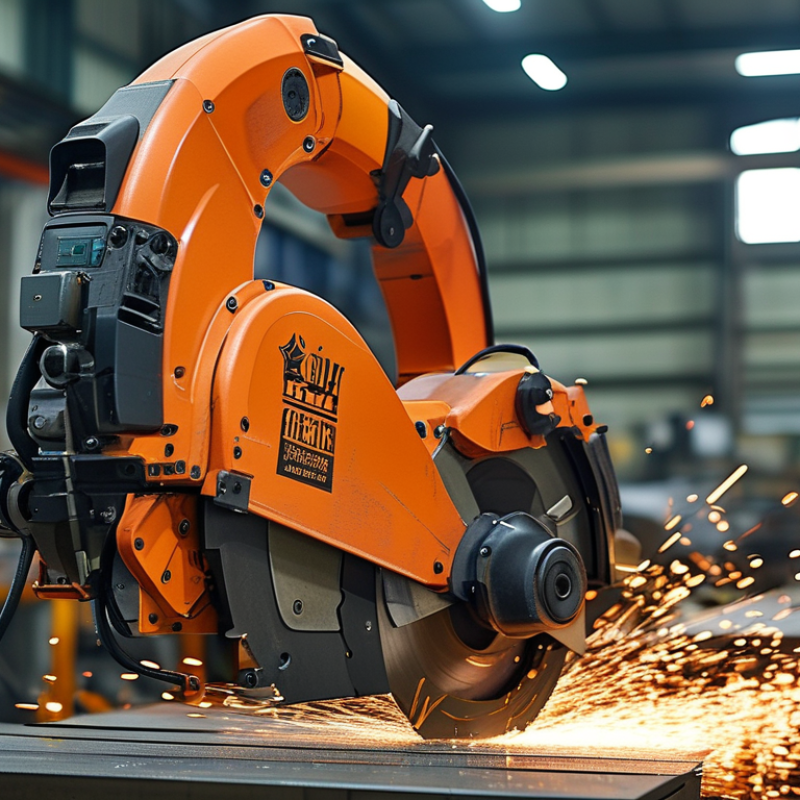
When selecting a swing beam cutting machine, key features are vital. One important aspect is the cutting capacity. It determines how thick and types of materials you can work with. Machines may differ significantly in this area. Ensure you know your specific needs before making a choice.
Another factor is the machine's precision. Look for features like adjustable cutting heights and angles. This will allow for versatility in your projects. Operators often overlook this, but precision affects the final product quality. Take the time to assess how these features align with your intended use.
Consider the ease of operation as well. A user-friendly interface can save time and reduce errors. A complex machine may lead to frustration. Operators often wish they had opted for a simpler model. User training and maintenance should also factor into your decision-making process. Familiarity with the equipment can enhance productivity and safety.
Understanding Different Types of Swing Beam Cutting Machines
When exploring swing beam cutting machines, it's vital to understand the various types available. These machines typically vary in blade design, cutting capacity, and operational features. A standard guillotine style is popular for its simplicity. It relies on a fixed blade and allows precise cuts in various materials. Users often appreciate its straightforward operation, but it can be limited in flexibility.
Another notable type is the programmable swing beam cutting machine. This variant comes equipped with advanced technology. It enables intricate designs and complex cuts. Operators can set precise parameters for different materials. However, investing in such technology can raise the initial cost. It's crucial to weigh the benefits against your operational needs.
Consider the hydraulic swing beam options as well. These machines are designed for heavy-duty use. Their performance excels in high-volume production settings. The power they offer can speed up operations, yet they may consume more space. Users should analyze the work environment to ensure proper installation. Reflecting on these aspects is essential for selecting the best machine for your requirements.
Assessing Your Material Needs and Cutting Capacity Requirements
When assessing material needs for a swing beam cutting machine, consider the types of materials you'll work with. Different materials require different cutting forces and blade specifications. For example, wood and plastics may need less power, while metals and composites demand more robust blades and higher capacities. Identifying the thickness and density of your materials is essential. It directly impacts the machine's features.
Cutting capacity is not one-size-fits-all. The intended volume of production plays a significant role in your choice. A machine that suits low-volume production may not withstand daily high-mass cuts. Consider your space and power limitations too. A compact machine may serve small workshops well, but ensure it meets your cutting requirements. Balance between dimensions and capacity is crucial. It’s easy to overlook these factors, but a miscalculation can lead to inefficiencies. Reflect on your current and future needs. This foresight will help avoid costly mistakes.
Analyzing Budget and Cost-Effectiveness for Machine Selection
When choosing a swing beam cutting machine, analyzing your budget is crucial. According to industry reports, the average cost of these machines can vary significantly, ranging from $30,000 to over $80,000. This wide price spectrum underscores the importance of considering both your immediate financial constraints and long-term investment benefits.
Cost-effectiveness is a significant factor. Typical operational costs can rise steeply due to maintenance and energy consumption. For instance, a poorly maintained machine might incur a 15% higher maintenance cost annually than a well-kept one. Additionally, energy efficiency ratings can indicate potential savings. Machines rated A++ can cut energy costs by nearly 30% compared to older models.
Selecting the best machine also involves potential hidden costs. Installation, training, and downtime during acquisition can affect your overall budget. Reflect on the total cost of ownership. A higher initial investment might provide better profitability over time. Understand that budget should include not just the purchase price, but also future costs related to operation and maintenance. Making decisions solely based on initial price can lead to unforeseen expenses down the line.
Evaluating Manufacturer Reputation and After-Sales Support
When selecting a swing beam cutting machine, manufacturer reputation is crucial. A trusted manufacturer often showcases a history of quality and reliability. Look for online reviews and testimonials, which can provide insights into customer experiences. Pay attention to feedback regarding performance and durability. Such details can reveal how well a product holds up over time.
After-sales support is equally important. Machines may require maintenance or troubleshooting over their lifespan. Inquire about warranty options and the availability of spare parts. A manufacturer that offers responsive customer service can make a difference. Good support can alleviate concerns during equipment downtime.
Consider reaching out to current users about their experiences. This can provide you with real-world insights that online research may not capture. Not all manufacturers prioritize after-sales service equally, and understanding this can save future headaches. A strong reputation paired with reliable support creates a winning combination for a successful purchase.
Performance Comparison of Swing Beam Cutting Machines