How to Choose the Best Ltcc Process Equipment for Your Needs?
Choosing the right LTCC process equipment is crucial for many industries. The global market for LTCC technology is expected to reach $7.5 billion by 2027, according to recent reports. This growth highlights the increasing demand for reliable and efficient equipment. As technology evolves, selecting the best LTCC process equipment can significantly impact production efficiency and product quality.
In this rapidly changing field, understanding your specific needs is essential. Factors such as material compatibility, production scale, and integration with existing systems must be considered. Reports indicate that nearly 30% of companies face challenges due to mismatched equipment. Poor choices can lead to higher operational costs and wasted resources.
It’s also vital to assess the supplier’s expertise. Not all manufacturers provide equal quality. According to industry analysis, about 25% of equipment fails to meet performance standards over time. By making informed decisions, you can ensure that your LTCC process equipment supports your goals effectively. Familiarizing yourself with best practices will lead to improved outcomes and reduced risks.
Understanding LTCC: Definition and Key Characteristics
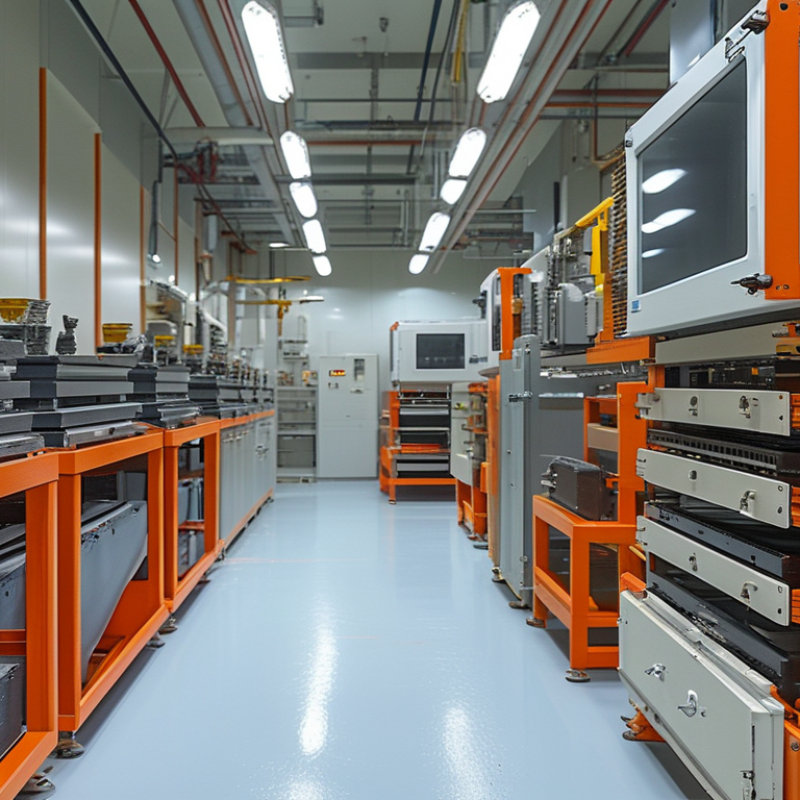
LTCC stands for Low Temperature Co-fired Ceramics. This technology combines ceramics with metal conductors, allowing for more efficient electronic components. The main benefit is the ability to create complex multilayer structures that save space. These features are crucial for modern electronics, where size and performance are key.
When choosing LTCC process equipment, consider materials and temperature tolerances. Different applications might require specific thicknesses or dielectric constants. Understanding your project's exact needs helps in selecting appropriate equipment. Take time to evaluate these parameters carefully; even small discrepancies can lead to suboptimal outcomes.
Moreover, it's essential to keep evolving with technological advancements in LTCC. New techniques and innovations constantly emerge. Staying updated on these developments ensures that your processes remain competitive. Reflecting on past project challenges is also important; it can offer insights into how to improve future endeavors. Balancing innovation with reliability is not easy, but it's vital for success in the LTCC landscape.
How to Choose the Best LTCC Process Equipment for Your Needs?
| Equipment Type | Application | Key Characteristics | Considerations |
| Screen Printer | Printing conductive materials | Precision alignment, adjustable squeegee speed | Consider print resolution and substrate type |
| Coating Equipment | Applying dielectric materials | Uniform application, different viscosity options | Evaluate coating thickness and drying times |
| Laminator | Layer stack-up | Temperature control, pressure uniformity | Assess maximum layer thickness and alignment accuracy |
| Firing Oven | Sintering materials | Temperature uniformity, programmable profiles | Check for calibration and ramp rates |
| Dicing Saw | Cutting substrate into chips | High precision, adjustable speed | Determine blade type and size requirements |
Evaluating Process Equipment: Performance Metrics and Specifications
When evaluating LTCC (Low Temperature Cofired Ceramics) process equipment, it's crucial to focus on specific performance metrics and specifications tailored to your needs. One key factor is temperature control. Recent studies reveal that consistent temperature regulation impacts yield rates by up to 15%. This is significant, especially in high-volume manufacturing environments.
In addition to temperature, consider throughput capabilities. Effective process equipment should meet the increasing demand for faster production cycles. Data indicates that optimizing throughput can enhance efficiency by nearly 20%. Therefore, assess the design and configuration of the equipment to ensure it fits into your existing processes seamlessly.
Reliability is another crucial metric. Industry reports highlight that machinery downtime can cost manufacturers over $250,000 annually. Equipment reliability minimizes maintenance delays and boosts productivity. Evaluate user reviews and performance reports to gauge long-term reliability. Analyzing these metrics can help prevent unforeseen issues and ensure your investment aligns with operational goals.
Assessing Material Compatibility for LTCC Applications
Assessing material compatibility is crucial for LTCC (Low-Temperature Co-fired Ceramics) applications. Selecting the right materials can significantly impact the performance and reliability of your devices. Studies show that nearly 70% of failures in LTCC products are linked to material mismatch. Therefore, thorough analysis is mandatory.
When evaluating materials, consider their thermal expansion coefficients. Discrepancies can result in stress during cooling and heating cycles. A report by the International Journal of Applied Ceramics Technology highlighted that a mismatch of over 10 ppm can lead to significant cracking in the final products. Testing different materials under controlled conditions can reveal their behavior, which is essential for long-term reliability.
Additionally, the interaction between materials can affect electrical performance. Compatibility testing ensures that dielectric properties are maintained. Research indicates that about 30% of dielectric failures originate from improper material selection. Using standardized tests can help validate material choices, minimizing risks in production. Always document your findings for future reference.
Analyzing Cost-Effectiveness in LTCC Equipment Selection
When considering LTCC (Low-Temperature Co-fired Ceramic) process equipment, analyzing cost-effectiveness is crucial. According to a recent industry report, the average ROI for LTCC equipment can be as high as 150% when the right choices are made. However, costs vary significantly based on technology and supplier. Understanding these factors helps businesses make informed decisions.
Tips: Identify your specific production needs before selecting equipment. This helps in narrowing down options that fit your requirements without overspending. For example, if your focus is on high-volume production, prioritize efficiency and durability in your choice.
Another aspect to consider is maintenance costs. An article from the International Journal of Advanced Manufacturing Technology indicates that maintenance accounts for nearly 25% of total equipment costs. Evaluating the long-term reliability of the equipment is essential. Cheaper options may lead to higher operational costs due to frequent breakdowns.
Tips: Consider total cost of ownership, not just initial purchase price. Engage with industry experts to review complete lifecycle costs before making a decision. This approach ensures you're not only looking at upfront savings but also long-term value.
Exploring Supplier Reputation and Customer Support in LTCC Procurement
When considering LTCC process equipment, supplier reputation is a crucial factor. A reliable supplier should have a proven track record. Look for testimonials and case studies that showcase their experience. Reviews from previous customers can illuminate not just product quality but also service reliability.
Customer support is equally important. You want a supplier that offers comprehensive support after purchase. This includes technical assistance, warranty services, and timely responses to inquiries. A responsive support team can make a significant difference in maintaining production efficiency.
Tip: Research suppliers' past projects. Success stories can indicate their ability and commitment.
Be cautious with glowing reviews. They might not always reflect the full picture. A few negative comments can signal potential issues. Transparency is key in evaluating suppliers.
Tip: Ask for references. Speaking directly with past clients can provide valuable insights into a supplier’s reliability.
Probe into the warranty terms offered by suppliers. A good warranty may reflect their confidence in their products. But don't ignore customer experiences during the warranty period. Poor service could lead to costly downtimes.