2026 How to Choose the Best Hydraulic Pile Breaker for Your Project?
Choosing the right Hydraulic Pile Breaker is crucial for any construction project. Research shows that effective pile breaking can reduce project time by up to 30%. With the growing demand for faster and more efficient construction methods, this equipment has become essential.
The market for hydraulic pile breakers has expanded significantly. Recent reports indicate a CAGR of over 7% in this industry. This growth highlights the need for reliable and innovative solutions. However, not all hydraulic pile breakers are created equal. Selecting the wrong model can lead to increased costs and extended project timelines.
Investing in a Hydraulic Pile Breaker involves evaluating multiple factors. Equipment size, power, and compatibility with other machinery are important. It is not just about efficiency; it’s about ensuring safety and sustainability on-site. Even experienced contractors may struggle with this choice. Each project presents unique challenges that require careful consideration.
Understanding Hydraulic Pile Breakers: Types and Functionality
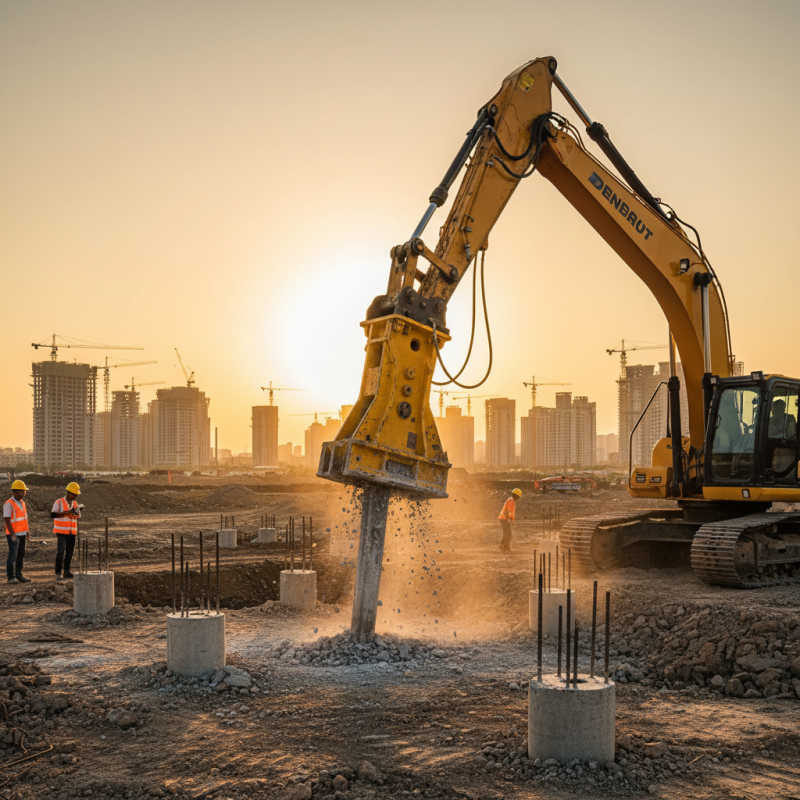
Hydraulic pile breakers are essential tools in construction projects. They efficiently break down concrete piles, making the process faster and safer. Understanding the various types and functionalities of hydraulic pile breakers can significantly impact your project’s success.
There are two main types of hydraulic pile breakers: fixed and adjustable. Fixed models are simple and suitable for uniform pile sizes. Adjustable models offer more versatility, accommodating different pile diameters. Choosing between these types depends on your specific project requirements. Consider the pile size and site conditions.
Functionality is another crucial aspect. Hydraulic pile breakers use high-pressure hydraulic cylinders to crush piles. This method minimizes vibrations and noise, making it safer for nearby structures. However, improper usage can lead to incomplete breaking or damage to neighboring elements. It's vital to have experienced operators who understand the machinery and site specifics. Training and proper safety measures can help mitigate risks and ensure efficiency.
Key Factors to Consider When Choosing a Hydraulic Pile Breaker
When selecting a hydraulic pile breaker, certain factors are crucial for success. The type of project dictates the size and power of the breaker needed. For example, larger piles generally require more robust machines. The machine’s weight and design influence its efficiency and ease of use on-site. Consider the environmental conditions as well. Wet and muddy terrains can affect machine performance and necessitate specific features.
Operating efficiency is often overlooked. Breakers that allow for quick adjustments to fit different pile dimensions greatly enhance productivity. Maintenance also plays a key role. Machines that require frequent servicing can lead to delays. A reliable maintenance record indicates better long-term performance. Furthermore, training for operators is essential. They need to understand both the machine and its limits.
It's important to reflect on the balance between cost and quality. A cheaper machine may save money initially but could lead to higher costs down the line due to repairs and inefficiencies. Finding a hydraulic pile breaker should be a careful consideration of these elements. Understanding project specifics and operational demands is key to making the right choice.
2026 How to Choose the Best Hydraulic Pile Breaker for Your Project? - Key Factors to Consider When Choosing a Hydraulic Pile Breaker
| Criteria | Description | Importance | Recommended Features |
| Power Source | Type of power supply that operates the breaker (hydraulic, electric). | High | Hydraulic systems for efficiency; electric for quieter operation. |
| Weight | Total weight of the breaker which can affect maneuverability. | Medium | Consider if it can be easily transported and operated onsite. |
| Breaking Capacity | Maximum concrete size the breaker can efficiently handle. | Very High | Choose a breaker with a capacity exceeding project requirements. |
| Safety Features | Built-in safety mechanisms to protect operators. | High | Emergency stop buttons, overload protection systems. |
| Durability | Material and construction quality affecting longevity. | Medium | Steel construction with protective coatings for rust resistance. |
| Ease of Maintenance | How easy it is to service and maintain the equipment. | Medium | Design should allow quick access to mechanical components. |
Evaluating Performance and Efficiency Metrics for Pile Breakers
When selecting a hydraulic pile breaker, performance and efficiency metrics are crucial. A pile breaker’s power relies on hydraulic pressure. Higher pressure typically leads to faster operation. You should also consider the weight of the breaker. Heavier models often provide better stability and reduce vibrations. This stability can translate to increased safety during operations.
Efficiency is another key metric. A well-designed breaker can cut piles in a significantly shorter time. Look for features like adjustable cutting depth. This allows the user to optimize performance based on specific project needs. However, not all pile breakers offer this feature. Analyzing the time to complete tasks helps ensure you choose a breaker that suits your project scope.
Operator skill impacts how efficiently the equipment is used. Even the best hydraulic breakers require training for effective operation. An inexperienced operator may not utilize the breaker to its fullest potential. This can lead to wasted time and increased costs. Reflecting on both equipment and operator capabilities is essential for project success.
Safety Features and Compliance Standards for Hydraulic Pile Breakers
When selecting a hydraulic pile breaker, safety features are critical. These machines often work in high-risk environments. Ensuring compliance with safety standards helps prevent accidents. According to the International Council on Mining and Metals, equipment-related accidents account for 30% of workplace fatalities in construction. Thus, understanding compliance is crucial.
A robust hydraulic pile breaker should include safety mechanisms like overload protection and emergency shut-off functions. These features prevent operational mishaps. Data from the Occupational Safety and Health Administration highlights that equipment failures lead to 20% of serious injuries in construction. Regularly inspecting these safety features is essential for maintaining compliance and protecting workers.
Tip: Always check for certifications that meet national and international safety standards. Assess the breaker’s design to ensure it minimizes vibration and noise exposure. These factors greatly influence worker safety and project efficiency, highlighting the importance of prioritizing compliance when choosing your equipment. The complexities of hydraulic systems require adequate training. Proper operator training significantly reduces the risk of accidents and failures, reinforcing the necessity of adhering to safety guidelines.
Cost Analysis: Budgeting for Your Hydraulic Pile Breaking Project
When planning a hydraulic pile breaking project, budgeting is crucial. Carefully assess the costs associated with different hydraulic pile breakers. Analyze factors such as equipment rental, operating labor, and transportation. Look for options that fit your financial capabilities while ensuring performance and efficiency.
Consider the long-term implications of your budget. Cheaper equipment may not always equate to saving money. They may require more maintenance or result in delays. Equipment that is too advanced might also lead to unnecessary expenses. Investing in the right tools initially can enhance productivity. Avoid common pitfalls of overspending on features that won't benefit your specific project.
Research potential hidden costs. These might include site preparation and disposal fees for broken pile remnants. Contingency planning is essential for unexpected expenses, ensuring your project stays on track. Engaging with experienced professionals can provide insights, though their services can add to project costs. Balancing expertise with budget constraints is key for a successful project.