How to Choose the Best Home Compactor for Your Needs?
Choosing the right home compactor can significantly impact your daily waste management routine. A home compactor is a valuable tool that compresses trash, reducing its volume. This not only saves space but also makes disposal easier. However, with many options on the market, finding the best fit for your needs requires careful consideration.
When selecting a home compactor, think about your lifestyle and household size. Some compactors work well for small families, while others are ideal for larger households. It's important to assess what you generate in terms of waste. User reviews can provide insights, but they can also be biased. Look for reliable sources to guide your decision.
Don’t overlook the features that matter most. These may include size, capacity, and power source. Consider design as well—some models fit better into kitchen spaces than others. Ultimately, weigh practicality against aesthetics to find the balance that works for you. Emphasizing your personal preferences will lead you to the best choice for a home compactor.
Understanding Home Compactors: Types and Applications
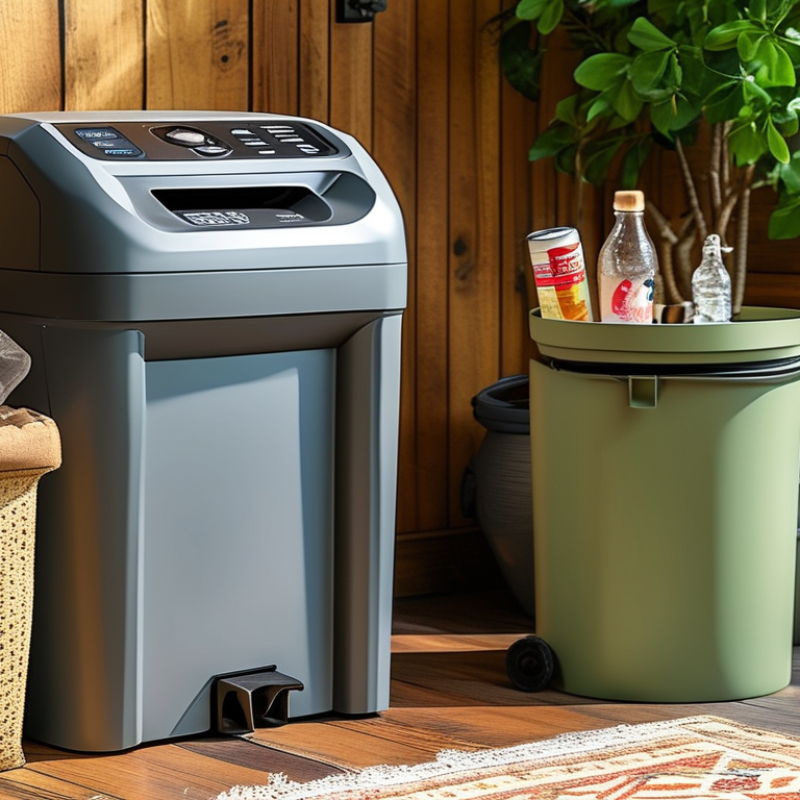
Home compactors are valuable tools for managing waste efficiently in your home. They compress trash, reducing its volume and making disposal simpler. Understanding the different types of home compactors is essential for choosing the best one for your needs. There are primarily two types: kitchen compactors and outdoor compactors. Kitchen models often fit under the counter, while outdoor versions are typically larger and designed for yard waste. Each type serves distinct purposes based on space and volume requirements.
When selecting a compactor, consider its capacity and features. Some models are designed for more frequent use, while others cater to larger households. An important factor is the compaction ratio; this indicates how much waste volume is reduced. Look for features such as automatic sensors or easy-to-clean interiors. Evaluate how much waste you generate daily, as this will inform your decision-making. It’s crucial to reflect on how often you'll use it and for what types of waste. Not every household needs a compactor. Carefully assess your waste habits before investing.
Evaluating Size and Capacity: What Fits Your Household Needs?
Choosing the right home compactor involves evaluating size and capacity based on your household's needs. A standard household generates about 4.5 pounds of waste daily, according to the Environmental Protection Agency. Your compactor should accommodate this daily output while also considering the frequency of disposal.
Typically, compactors come in varying sizes, from 1 to 2 cubic feet. A compact size is ideal for smaller families or those with minimal waste. However, larger households may require compactors that hold more waste to avoid constant emptying. The ability to compact waste can reduce trash volume by up to 75%, optimizing your collection limits.
Reflect on your waste production habits. Are you a frequent cook, or do you often entertain guests? These factors increase daily waste. A smaller model may seem economical, but it may lead to frustration if you have to empty it frequently. Understanding the ratio of waste types you generate can also guide your choice. A compactor with a larger capacity might seem like an overkill if most of your waste consists of recyclables. Balancing your current needs with future demands is essential for making an informed decision.
How to Choose the Best Home Compactor for Your Needs? - Evaluating Size and Capacity: What Fits Your Household Needs?
| Compactor Type |
Size (Cubic Feet) |
Capacity (Pounds) |
Recommended Household Size |
Features |
| Standard Kitchen Compactor |
1.4 |
100 |
1-2 people |
Compact design, easy to use |
| Heavy-Duty Compactor |
2.0 |
175 |
2-4 people |
Powerful compression, durable construction |
| Triple Duty Compactor |
2.5 |
250 |
4-6 people |
Multiple settings, energy-efficient |
| Trash Compactor with Built-in Recycling |
1.8 |
125 |
1-3 people |
Environmentally friendly, dual compartment |
| Commercial Grade Compactor |
3.0 |
300 |
6+ people |
Industrial strength, large capacity |
Comparing Power Consumption: Energy Efficiency in Home Compactors
When selecting a home compactor, energy efficiency is a critical factor. Energy-efficient compactors consume less power and help reduce energy bills. According to the U.S. Department of Energy, energy-efficient appliances can save consumers about 20% on their annual energy costs. This statistic illustrates the potential financial benefits of investing in a reliable compactor.
Understanding power consumption is essential. Many compactors vary in wattage, generally ranging from 200 to 800 watts. Lower wattage models typically use less energy but may have varying performance levels. For instance, a compactor with higher compression force might use more energy per cycle but reduce the frequency of use. This trade-off requires careful consideration.
It's also vital to consider the lifecycle costs. While a compact model may have a lower initial purchase price, higher energy consumption can lead to increased utility costs over time. A report from the Energy Star program indicates that investing in Energy Star-rated compactors can lead to significant savings over five years. Reflecting on these aspects can guide consumers toward a more sustainable choice.
Features to Consider: Noise Levels, Safety, and User-Friendliness
Selecting the right home compactor involves several key features, notably noise levels, safety, and user-friendliness.
Noise levels are essential. A loud machine can disrupt daily life, especially in quiet neighborhoods. Look for models that advertise low-decibel operating sounds. Some compactors offer noise-reduction technology. This feature can make a significant difference in your household.
Safety should not be overlooked. A good compactor must have safety features such as child locks and automatic shut-off mechanisms. These features are crucial to prevent accidents. Regular maintenance is also vital. Ensure that all components function properly to avoid malfunctions. Reflect on your home's needs and if the safety features meet them.
User-friendliness is another important aspect. A complicated interface can lead to frustration. Choose a model with simple controls and clear instructions. An intuitive design makes the machine accessible to everyone in the household. Tips for assessment include testing the ease of operation before buying. Read detailed reviews to understand other users’ experiences. This will help you make a more informed decision. Prioritize what matters most for you and your family.
Cost Analysis: Budgeting for Purchase and Maintenance of Compactors
When considering a home compactor, understanding the cost is essential. The initial purchase price can vary significantly. Depending on the type and capacity, compactors can range from a few hundred to several thousand dollars. This makes it crucial to assess your budget before making a decision. It’s tempting to choose a cheaper model, but long-term reliability should be a key factor.
Ongoing maintenance costs cannot be overlooked. Spare parts and repairs can add up over time. Regular upkeep, such as cleaning and servicing, is important for optimal performance. Some users may not anticipate these expenses, leading to financial strain. Keep in mind that quality often correlates with durability. Investing a bit more upfront may save money later.
Consider the space you have available. Larger compactors may provide more efficiency but can also consume more power. This can increase your energy bills, especially if not used wisely. Finding a balance between size, efficiency, and cost is crucial. Reflecting on the whole picture, including usage frequency, will help ensure your investment aligns with your needs.